Hair protection is not one thing you do once. It is a collection of habits, tools, and decisions that work together every single day to keep your child’s hair safe from the things that damage it.
Some of those things are obvious. Some are not. But all of them matter and all of them add up over time into hair that either thrives or struggles depending on how well it is protected.
If you have been following this series on Little Hair Book, by now you have a solid understanding of how to grow, strengthen, and prevent breakage in your child’s hair. The last post we covered was how to prevent hair breakage in children and today we are building on that foundation.
Protection goes beyond just preventing breakage. It covers everything from environmental exposure to daily styling choices to seasonal changes. Today we are covering all of it.

What Hair Protection Actually Means
A lot of parents think of protective styles when they hear the words hair protection. Protective styles are absolutely part of it. But protection is a much broader concept than just putting the hair in braids.
Protecting your child’s hair means shielding it from every source of damage it encounters on a daily basis. Friction from pillowcases at night.
Dry air that strips moisture during the day. Sun exposure that degrades the hair cuticle over time. Rough handling during styling. Tight styles that stress the hairline. Harsh products that strip the natural moisture barrier. Environmental pollutants that settle on the hair and scalp.
True protection addresses all of these simultaneously rather than focusing on just one or two. When you build a comprehensive protection approach into your child’s hair care routine, the hair is defended from damage on multiple fronts at the same time.
The result is hair that retains its strength, moisture, and length far more effectively than hair that is only partially protected.
For more on how protection connects to the broader picture of keeping the hair healthy and growing consistently, how to grow children’s hair naturally on Little Hair Book covers how protection fits into the overall growth strategy.
Protecting the Hair at Night
Nighttime protection is the most impactful single protection habit you can build into your child’s routine. Eight hours of sleep means eight hours of the hair interacting with whatever surface it is lying on.
Without protection, that is eight hours of friction, moisture loss, and style disruption every single night.
A satin bonnet is the primary nighttime protection tool. It eliminates friction completely and prevents the cotton pillowcase from absorbing the moisture you spent the day putting into the hair.
The hair glides over satin rather than rubbing against it, which means the cuticle stays smooth, styles stay intact, and the hair wakes up in significantly better condition.
If your child will not keep a bonnet on, a satin pillowcase works equally well. The entire sleeping surface becomes smooth and protective rather than just the bonnet covering the hair.
For young children who pull bonnets off during sleep, a satin-lined cap that fastens under the chin stays secure through the night.
Some parents also use a satin scarf tied gently but securely around the head for older children who find bonnets uncomfortable.
Putting the hair in a loose protective style before the bonnet goes on adds another layer of nighttime protection. A loose braid, two twists, or a pineapple secured with a soft scrunchie keeps the hair contained and reduces how much it moves around during sleep. Less movement means less tangling and less friction even with the bonnet on.

Protective Hairstyles
Choosing Styles That Truly Protect
Protective hairstyles are styles that keep the ends of the hair tucked away and reduce how much the hair is manipulated on a daily basis.
When the ends are protected and the hair is not being styled and restyled every day, breakage from daily manipulation drops dramatically.
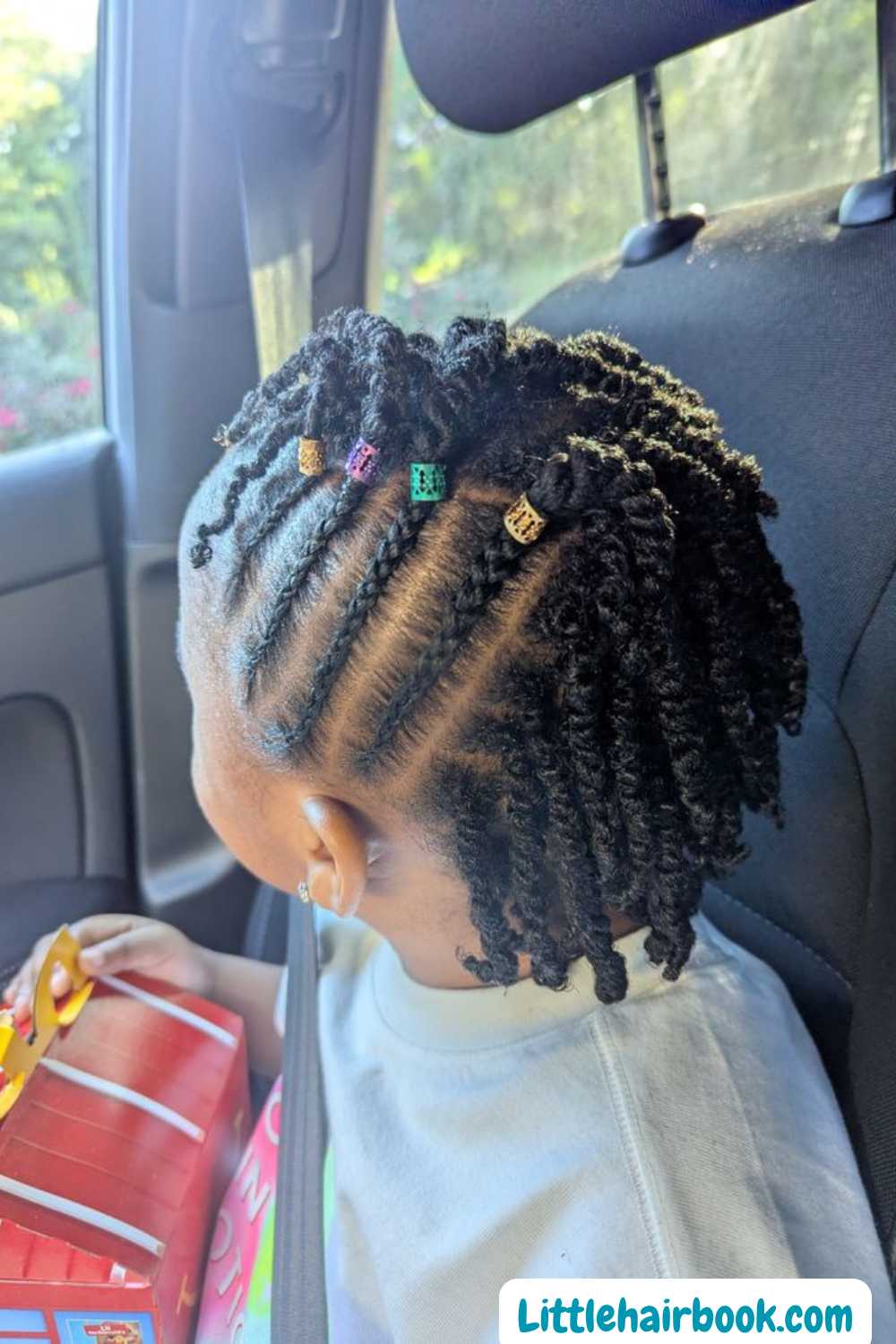
Good protective styles for children include braids, cornrows, twists, flat twists, bantu knots, and braid-outs. Each of these styles tucks the ends away and allows the hair to rest from daily handling.
The most important thing about protective styles is that they are only genuinely protective when they are not too tight.
A style that pulls on the hairline or edges is not protecting the hair. It is causing traction damage that leads to hair loss over time.
Every protective style should feel comfortable immediately after it is done. Your child should be able to sleep in it that first night without waking up from discomfort.
If the style causes any tightness, headache, or tenderness along the hairline, it needs to be loosened or taken down.
Bookmark this post: Children’s Hair Care Routine

How Long to Keep Protective Styles In
Two to four weeks is the right range for most protective styles on children. Within that window the style is working as intended.
Beyond it, the hair underneath can start to mat and tangle from neglect, and the new growth at the roots can lock with the braided hair in a way that causes significant breakage when the style is taken down.
Keep the hair moisturized throughout the protective style period. Mist the style with water every two to three days. Apply a light oil to the scalp regularly.
Keep the edges moisturized and smooth daily. A protective style that is neglected internally while looking neat externally is not doing its job.
You will love this: How to Moisturize Children’s Hair
Protecting the Scalp and Hairline
The hairline and edges are the most vulnerable part of your child’s hair and they need specific, intentional protection every single day.
Keep the edges moisturized daily. Apply a small amount of water, leave-in conditioner, or edge control every morning and smooth them gently with a soft bristle brush. Dry edges are fragile edges and fragile edges break and thin over time.
Never use a style that pulls on the hairline. Avoid tight ponytails, tight cornrows that begin right at the hairline, and any style that creates visible tension at the temples or forehead.
The hairline follicles are the most susceptible to traction damage and once those follicles are damaged enough to stop producing hair, recovery is slow and sometimes incomplete.
Massage the edges and hairline gently with a light oil several times a week. Massaging with the pads of your fingers in gentle circular motions stimulates blood flow to those follicles and keeps them nourished and active.
Rotate styling patterns so the tension does not always fall in the same place. If cornrows always start from the same point at the forehead, that point experiences constant tension. Alternating the direction and starting point gives each area a chance to recover between styles.
For more on how scalp health connects to the overall health and growth of your child’s hair, children’s hair growth routine on Little Hair Book covers scalp care as part of the full weekly plan.
Protecting the Hair From Environmental Damage
The environment your child moves through every day affects their hair in ways that are easy to overlook. Sun, wind, dry air, humidity, chlorine, and saltwater all have specific effects on the hair that add up over time.
Sun exposure degrades the hair cuticle through UV radiation the same way it damages skin. Hair that is frequently exposed to direct sun becomes dry, brittle, and faded over time.
Protective styles that keep the hair tucked away reduce sun exposure naturally. For children who spend a lot of time outdoors with their hair loose, using a UV-protecting hair product or covering the hair with a hat or scarf provides meaningful protection.
Wind tangles the hair and strips moisture from the surface. Children who play outside in windy conditions frequently need their hair in a contained protective style to prevent the wind-related tangling and dryness that leads to breakage.
Dry air in winter months or in air-conditioned environments pulls moisture from the hair rapidly. Increase the frequency of moisture refreshes during dry seasons.
Use heavier sealing products in winter to compensate for the increased moisture loss. Apply a little extra oil to the ends when sending your child into a very dry environment.
Humidity is the opposite problem. High humidity causes hygral fatigue in hair that is frequently wet and dried repeatedly.
It also causes frizz in curly and natural hair as the hair absorbs moisture from the air unevenly. Anti-humidity products and well-sealed moisture routines help manage humidity-related damage.

Protecting the Hair During Physical Activity
Children are active. They run, play, swim, do sports, and generally put their hair through a lot during daily activity.
Building protection into how the hair is worn during physical activity prevents a significant amount of damage that would otherwise accumulate.
During active play, keep the hair in a contained style. Loose hair during running and outdoor play tangles severely, especially at the nape of the neck and around the face.
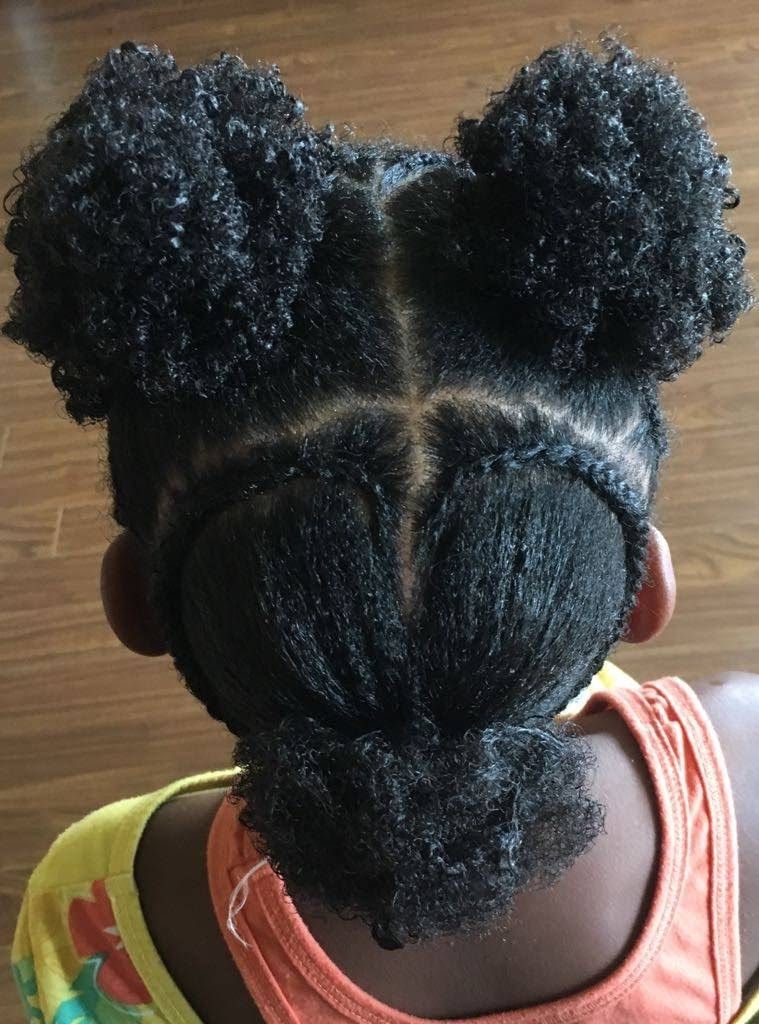
A simple braid, puff, or set of twists contains the hair and prevents the wind-and-friction tangling that loose hair accumulates during activity.
Swimming deserves specific attention. Chlorine in pool water is extremely drying and damaging to all hair types. Before swimming, wet the hair thoroughly with clean water and apply a generous coat of conditioner or coconut oil.
Saturated hair absorbs less chlorine than dry hair because the shaft is already full of water and product.
After swimming, rinse the hair immediately and thoroughly with clean water. Follow with a gentle shampoo to remove the chlorine and then deep condition to restore the moisture the chlorine stripped.
Saltwater from the ocean is similarly drying. Apply oil to the hair before ocean swimming and rinse and condition thoroughly afterward.
For children who swim regularly, making this pre and post swim routine a consistent habit prevents the cumulative drying and damage that regular swimming causes.
For more on how to choose the right products to protect the hair during and after activities like swimming, best hair oils for kids on Little Hair Book covers which oils provide the best protective barrier for the hair shaft.

Protecting the Hair From Harsh Products
What You Put on the Hair Either Protects or Damages It
Every product you apply to your child’s hair either contributes to its health or works against it. There is genuinely no neutral. Choosing the wrong products exposes the hair to ongoing chemical damage every time those products are used.
Shampoos with harsh sulfates strip the natural oils from the hair and scalp at every wash. Switch to sulfate-free shampoos that clean effectively without stripping.
Products with mineral oil and petrolatum coat the hair with a barrier that feels protective but actually blocks moisture from entering the hair shaft.
Over time the coating builds up and the hair underneath becomes increasingly dry despite feeling coated on the surface.
Heavy non-water-soluble silicones build up with regular use and eventually prevent moisture and nourishing ingredients from penetrating. Choose silicone-free products or products that use only water-soluble silicones that rinse out completely.
Drying alcohols like ethanol and isopropyl alcohol actively remove moisture from the hair. They have no place in any product that goes on your child’s hair. Check every ingredient list and avoid any product where these appear near the top.
Building a clean, gentle product lineup is one of the most fundamental protection habits you can establish. The right products actively protect the hair. The wrong ones undo the work of everything else you are doing.
Pin this post: Best Shampoo for Children

Protecting the Hair During Styling
How you style the hair determines how much damage the styling process itself causes. Styling with the right technique and the right tools is a form of protection in itself.
Always start with detangled, moisturized hair before styling. Styling over dry, tangled hair causes breakage at every point where the style puts tension on a knot or dry section.
Use soft scrunchies and fabric hair ties rather than regular elastic bands. Regular elastics snag and break the hair at the point where they are wrapped. Soft scrunchies distribute the tension more evenly and release from the hair without pulling.
Avoid styles that require excessive manipulation to achieve. The more you handle the hair during styling, the more opportunities for breakage exist. Simple, low-manipulation styles that can be achieved in a few minutes are better for the hair than elaborate styles that require extensive handling.
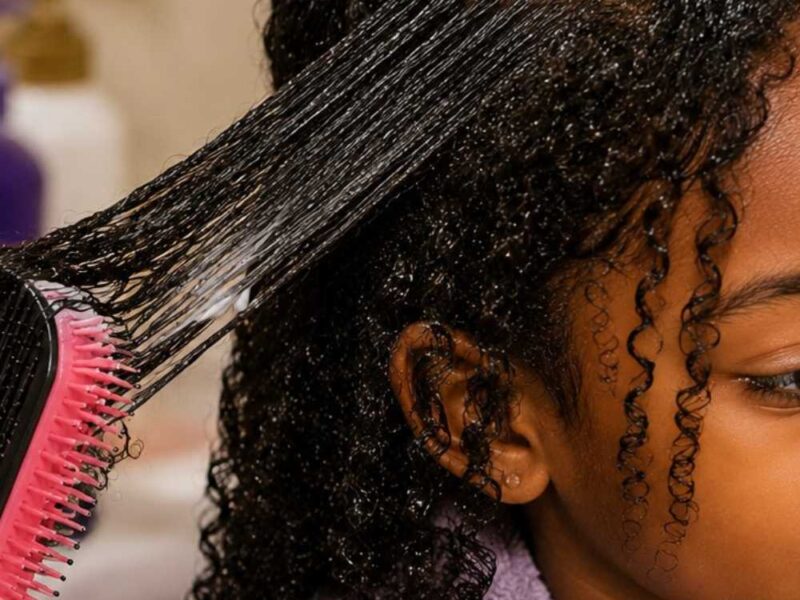
Never force a comb or brush through resistance. The moment you feel significant tension, stop and address the knot before continuing. Forcing through resistance breaks the hair every time.
For specific guidance on the right brushes that protect rather than damage the hair during styling, best hair brushes for children on Little Hair Book covers every brush type and which hair types each one is safe for.

Protecting the Hair Through Seasonal Changes
Each season brings different challenges for children’s hair and adjusting the protection strategy seasonally keeps the hair protected year-round rather than just during the seasons when hair care is easiest.
Winter brings dry, cold air that strips moisture rapidly. Increase moisturizing frequency in winter. Use heavier sealing products like castor oil and shea butter cream to compensate for the increased moisture loss.
Keep the hair in protective styles more consistently in winter to reduce exposure to cold, dry air. Cover the hair with a satin-lined hat when going outdoors in cold weather.
Spring brings fluctuating weather and humidity changes. Keep the moisture routine consistent through the weather changes.
Watch for increased tangling that often comes with spring winds and address it with more frequent detangling sessions.
Summer brings heat, sun, humidity, and swimming. Protect from UV exposure with protective styles and hats. Manage humidity with anti-frizz products and well-sealed moisture routines.
Follow the pre and post swimming protection routine consistently throughout the summer season.
Autumn is a transitional season where the air starts to dry out again. Begin transitioning back to heavier moisturizing products as the air cools and dries.
Re-establish the full protective style routine as outdoor activity patterns change with the season.
Adjusting the protection strategy with each season ensures the hair is always appropriately protected regardless of what the weather is doing.
Consistency within each season and smooth transitions between them keep the hair in the best possible condition year-round.
For more on how all the healthy habits we have covered across this entire series come together to create hair that is not just protected but genuinely thriving, healthy hair habits for kids on Little Hair Book brings it all together in one place.

A Final Word on Protecting Your Child’s Hair
Protection is not a single action. It is a mindset that you bring to every hair decision you make. Healthy hair is built through small, consistent decisions.
Sleeping with a satin bonnet, choosing loose hairstyles, using gentle products, and detangling with patience all help protect your child’s hair and support long-term growth.
Each of those choices is an act of protection. Each one contributes to hair that accumulates strength, length, and health over time rather than losing it to preventable damage and all of them together create a child who grows up with hair they are proud of and a relationship with their hair that is rooted in care and confidence.
That is what this series has been about from the very beginning. Not just healthy hair but a foundation of knowledge and habit that serves your child for a lifetime.