
There is a difference between doing hair care and having hair care habits. Doing it means you wash, moisturize, and style when you remember or when the hair starts to look bad.
Having habits means you have specific things you do consistently, automatically, and without having to think too hard about it. One produces inconsistent results. The other produces hair that genuinely thrives over time.
The last post we covered on Little Hair Book was children’s hair growth tips and in that post we talked about specific things you can do to support your child’s hair growth.
Today we are going one level deeper and talking about the habits underneath those tips. The daily and weekly behaviors that when done consistently become second nature and transform your child’s hair health over months and years.
Why Habits Matter More Than Products
A lot of parents spend a lot of money on products hoping that the right shampoo or the right cream will be the thing that fixes everything. Products matter but they are only as effective as the habits surrounding them.
The most expensive deep conditioner in the world does not help if it is only used once a month. The best satin bonnet does not protect the hair if it stays on the bedside table three nights out of seven.
The most nourishing oil does not seal in moisture if it is applied to completely dry hair.
Habits are what make products work. Consistency is what turns good intentions into real results. Building the right habits around your child’s hair care routine is the foundation that everything else sits on.
The good news is that habits become easier the longer you do them. What feels like a lot of effort in the first few weeks becomes almost automatic within a month or two. And once the habits are in place, maintaining your child’s hair health stops feeling like work and starts feeling like just another part of the day.
For more on how to structure those habits into a proper routine, children’s hair growth routine on Little Hair Book maps out exactly how to build your weekly schedule around the right habits.
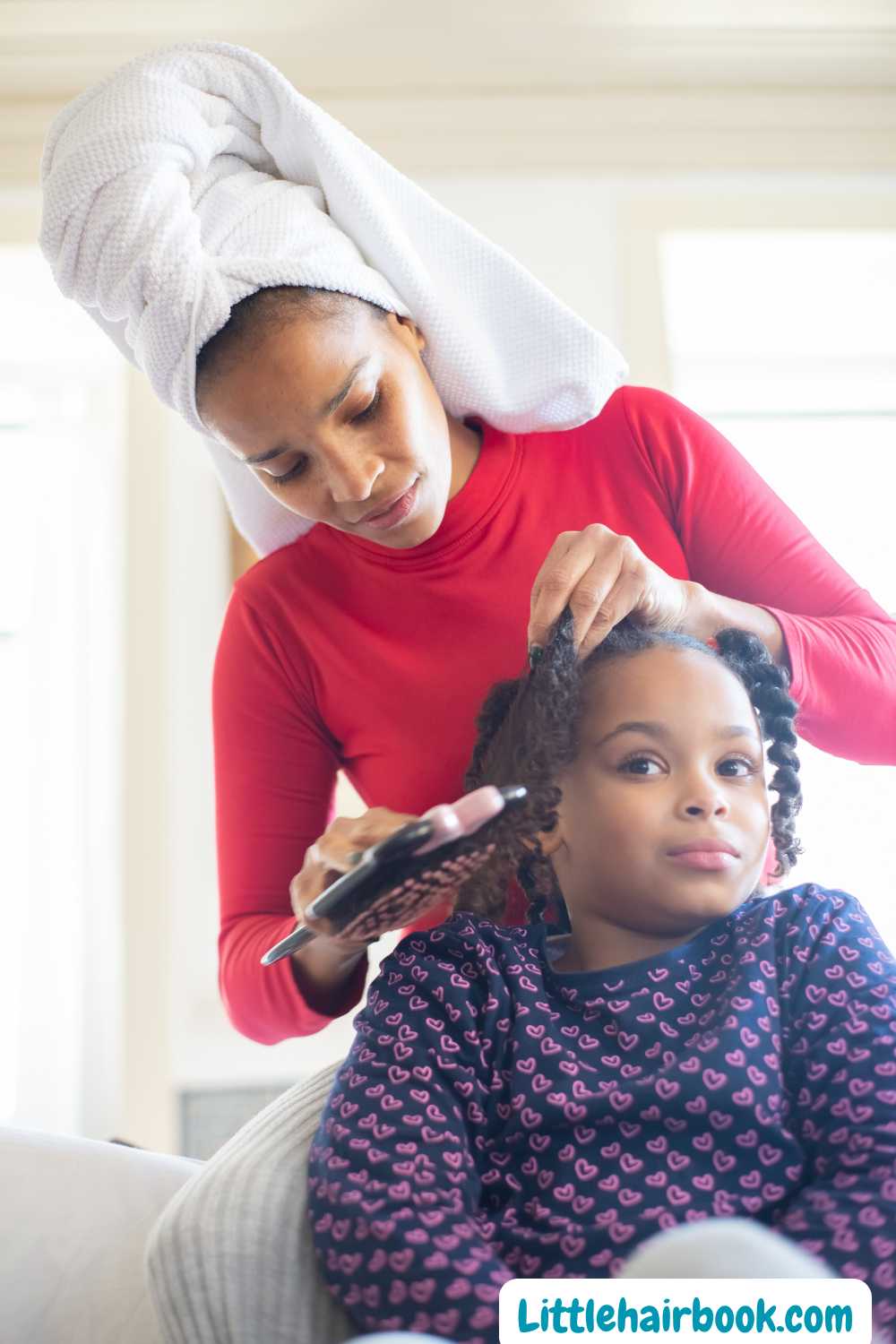
9 Healthy Hair Habits for Kids
1. Moisturize Before You Do Anything Else
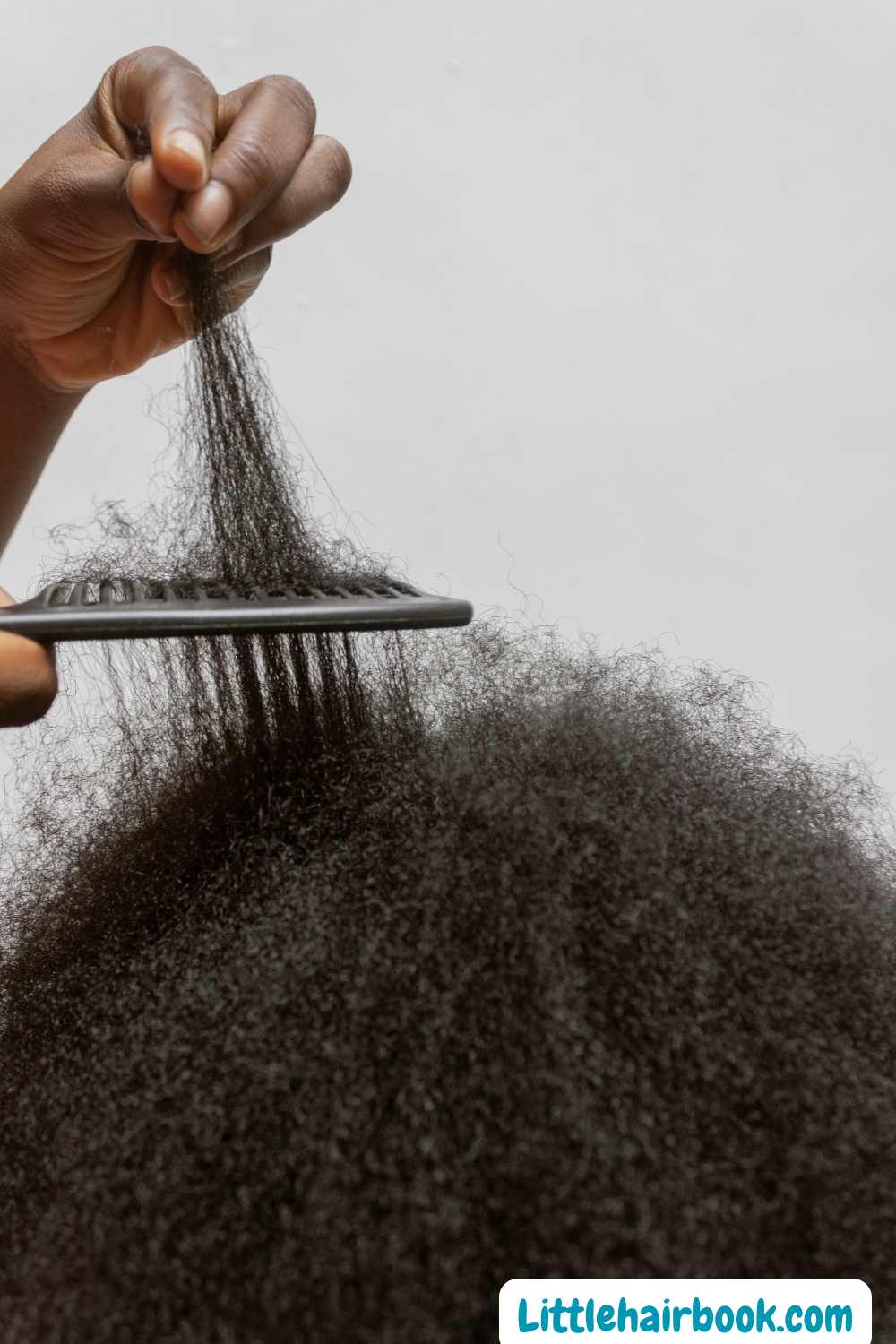
The single most impactful daily hair habit you can build is moisturizing the hair before you style, comb, or touch it in any way.
Dry hair is fragile hair fragile hair breaks when it is handled and broken hair is lost length.
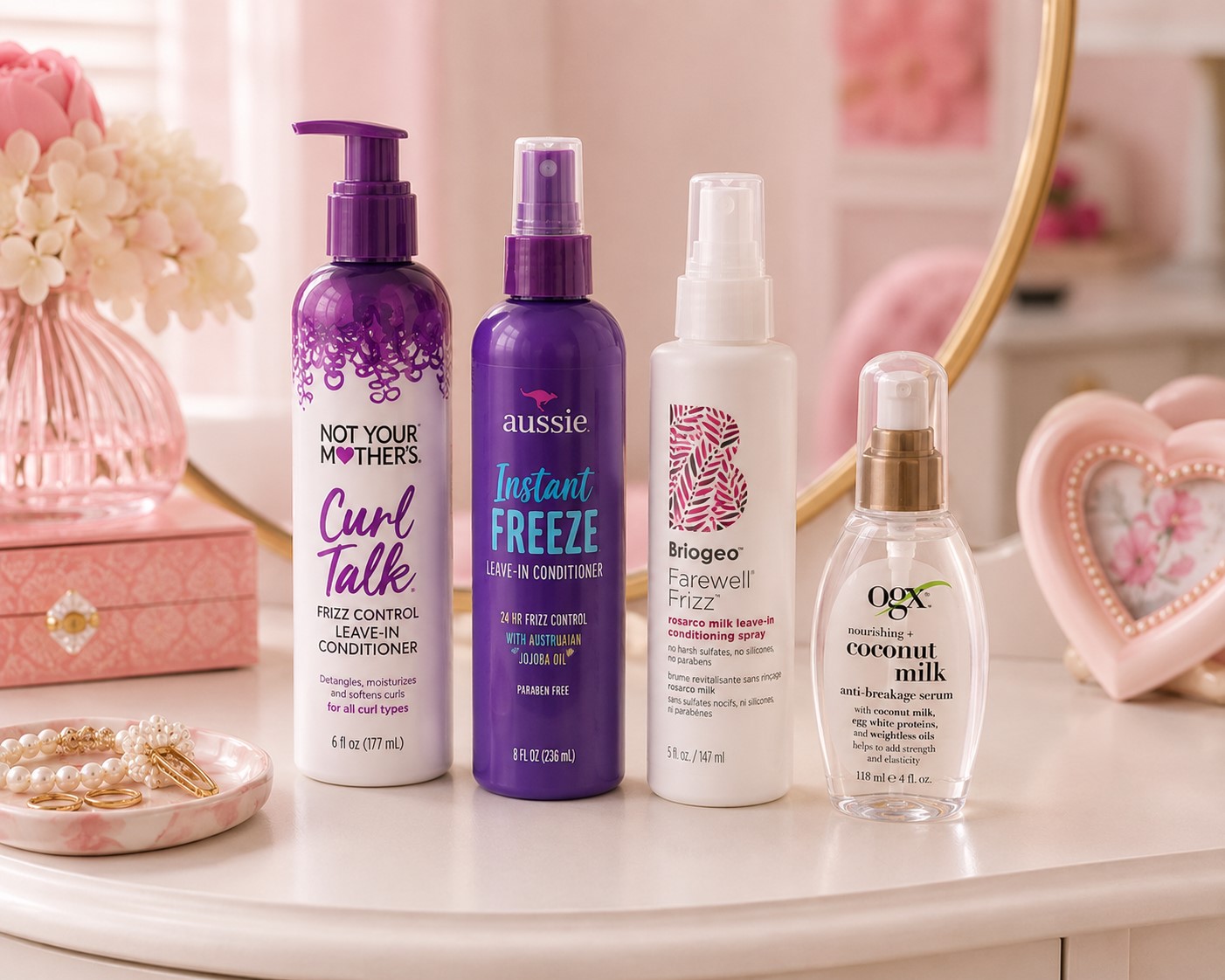
Every morning before you pick up a comb or brush, check the hair. If it feels dry or rough, mist it with water and apply a small amount of leave-in conditioner before you do anything else.
Let the product sit for a moment and soften the hair before bringing in any tool.
This habit takes an extra two minutes at most. But it changes the entire outcome of the styling session. The hair is softer, the comb moves through it more easily, your child feels less pain, and far less hair ends up on the floor or in the comb.
Over time, starting every hair session with moisture becomes as automatic as washing your hands before eating. You just do it without thinking. And the hair responds to that consistency in a very visible way.
2. Always Detangle Before Styling
Never Style Over Tangles
Styling over tangles is one of the most damaging habits in children’s hair care. When you braid, twist, or ponytail hair that has not been properly detangled first, you are locking those tangles into the style.
When the style comes down, the tangles are tighter and harder to remove than they were before. The detangling session after becomes much more painful and damaging.
Make detangling a non-negotiable step that always happens before any styling. Not sometimes. Not when you remember. Every single time.
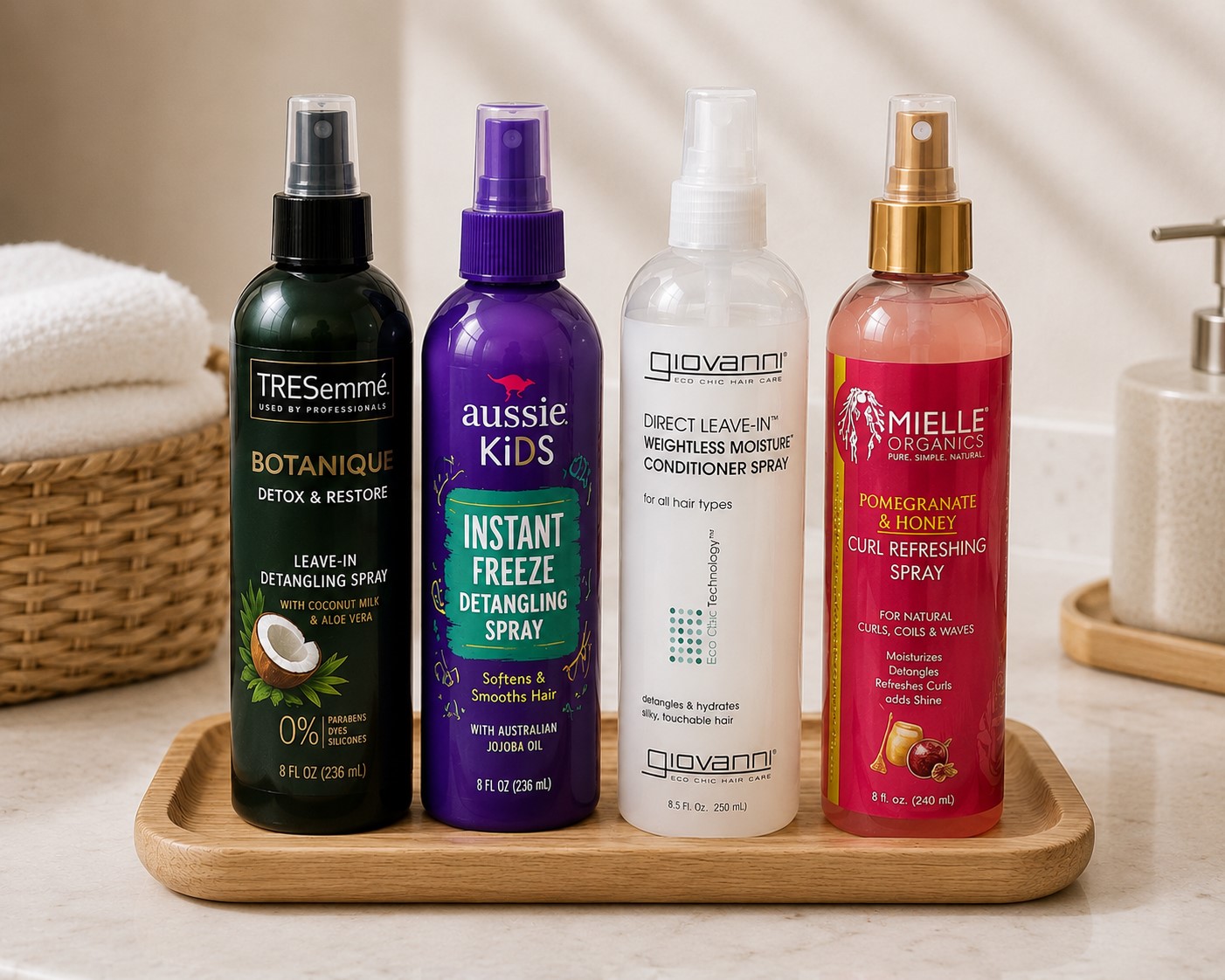
On days when you are in a rush and tempted to just quickly braid the hair without detangling first, resist it. A rough detangling session after a week of locked-in tangles is so much harder than two minutes of gentle finger detangling before styling.
The time you think you are saving by skipping detangling always costs you more time later.
For natural and curly hair especially, detangling before every styling session is what keeps the hair manageable between wash days. Hair that is regularly detangled stays healthier, breaks less, and is easier to work with over time.
For the right tools and techniques to make detangling as gentle and effective as possible, best detangling spray for kids on Little Hair Book covers the products that make this habit easier to maintain daily.
3. Put the Hair Away at Night
Leaving children’s hair loose at night is one of the most common habits that works directly against hair health. Loose hair rubs against the pillow all night, loses moisture to the cotton pillowcase, and wakes up tangled, dry, and frizzy every single morning.
The habit of putting the hair away at night takes about two minutes and protects everything you have done during the day.
A loose braid, two flat twists, or a pineapple secured with a soft scrunchie is enough. The goal is just to keep the hair contained so it is not moving around freely all night.
Follow that with a satin bonnet or a satin pillowcase and you have a nighttime hair protection routine that costs almost nothing and makes a dramatic difference in how the hair looks and feels every morning.
Make this part of the bedtime routine the same way brushing teeth is part of the bedtime routine. Hair goes up, bonnet goes on, lights go out.
When children do it every night from a young age, they carry that habit into adulthood and their hair thanks them for it.

4. Drink Water and Eat Well
The Habits That Happen Away From the Hair Also Count
Hair health is not only about what you put on the hair. It is also about what goes into the body. This is a habit that many parents overlook entirely because it does not feel directly connected to hair care. But it absolutely is.
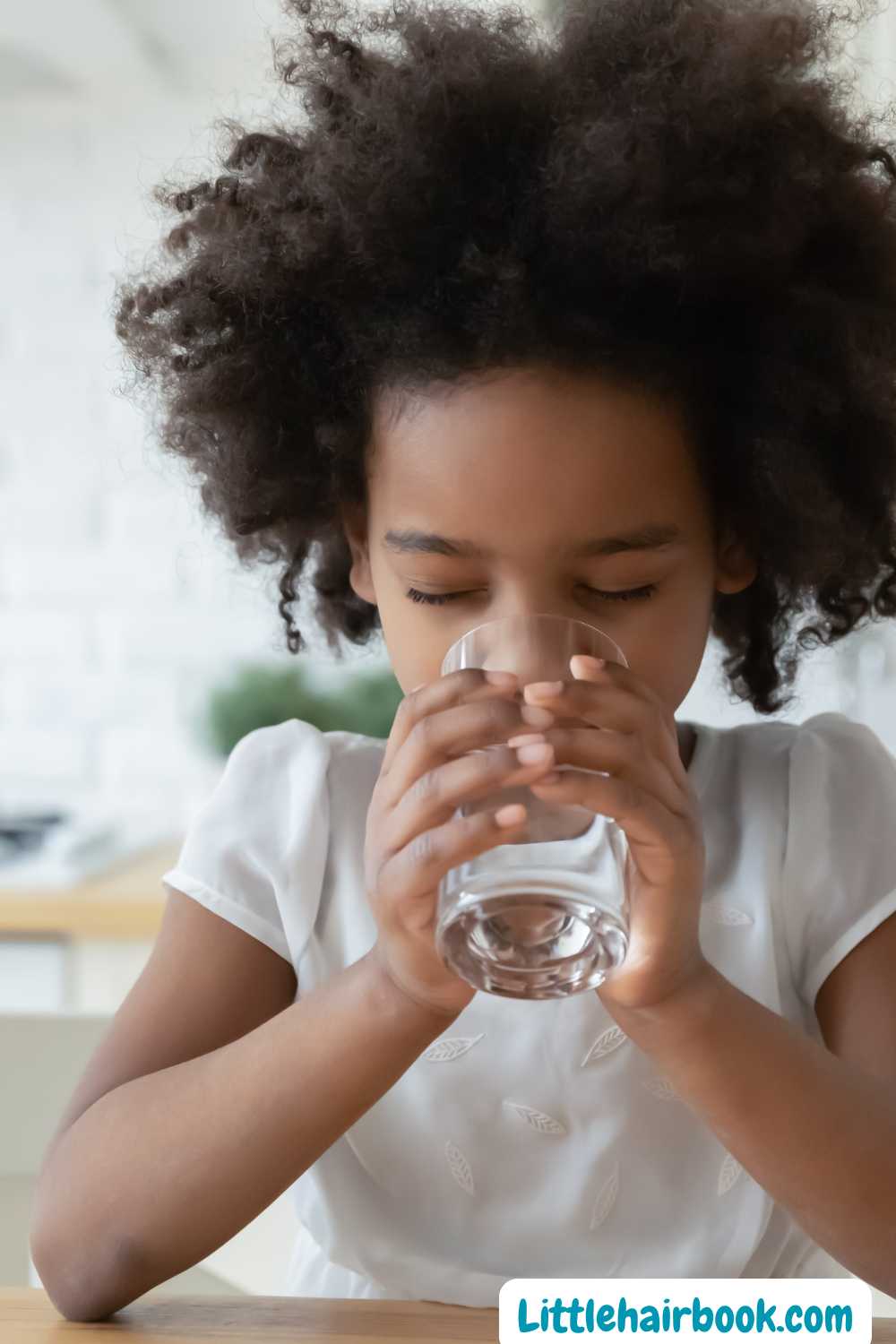
A child who drinks enough water every day has a healthier scalp than one who is consistently dehydrated.
A child who eats enough protein, iron, and healthy fats produces stronger hair from the follicle than one whose diet is lacking in these nutrients.
Building the habit of balanced eating and regular water drinking supports hair growth and health in a way that no product can replicate. Start small if your child is resistant to drinking more water.
Add a water bottle to their school bag. Make water the drink that is always available at meals. Offer fruits with high water content like watermelon and cucumber as regular snacks.
For meals, make sure protein is present at every eating occasion. Eggs at breakfast, beans or meat at lunch, fish or chicken at dinner.
These small consistent dietary habits add up to significantly better hair health over months and years.
You will love this: How to Keep Children’s Hair Healthy
5. Handle the Hair Gently Every Single Time
Gentle handling is a habit and like all habits it has to be practiced consistently to become automatic. In the beginning especially when you are tired or in a rush, it is easy to revert to rough handling.
Dragging the comb through instead of working section by section. Pulling the hair into a ponytail too quickly. Rubbing the hair dry with a regular towel after washing.
Each of these things causes breakage and breakage accumulated over days and weeks and months is what keeps children’s hair from growing the way it should.
Building the habit of gentle handling means slowing down deliberately every time you touch your child’s hair. Reminding yourself to hold the hair above where you are combing.
Choosing the soft towel instead of the rough one. Taking an extra thirty seconds to work through a section properly instead of forcing through it.
Over time these deliberate choices become automatic. You stop having to remind yourself to be gentle because gentle becomes the only way you know how to handle the hair. And the difference in your child’s hair health over time is significant.
For more on how gentle handling connects to keeping the hair strong and preventing the breakage that costs your child their length, how to strengthen children’s hair on Little Hair Book covers all the ways to build strength into your child’s hair from the inside out.

6. Keep Styles Simple During the Week
Complex styles that require a lot of manipulation every day work against hair health. The more you touch, pull, comb, and restyle the hair on a daily basis, the more breakage you cause.
Keeping styles simple and low-manipulation during the week is a habit that protects the hair significantly.
After wash day, put the hair into a protective style that can last through the week with minimal daily interference. A set of braids, twists, or cornrows that you only need to refresh slightly in the mornings is far better for the hair than a style that needs to be completely redone every day.
On the days when the hair is in a low manipulation style, your morning routine shrinks dramatically. Smooth the edges, mist any dry areas, and go.
The hair is protected, the manipulation is minimal, and the breakage from daily restyling is eliminated.
Save the more complex styles for special occasions rather than making them part of the daily routine. Your child’s hair will retain significantly more length when it is not being heavily manipulated every single day.

7. Check the Hair Regularly
Making Observation a Habit
Building the habit of regularly checking your child’s hair means you catch problems early before they become serious. A dry scalp caught early is easy to address.
A severely dry, flaking scalp that has been neglected for weeks is much harder to fix. Split ends trimmed promptly do not travel. Split ends left alone for months become breakage that removes length significantly.
Set aside a few minutes once a week to properly look at your child’s hair and scalp. Part the hair in different sections and actually look at the scalp.
Check for flaking, redness, buildup, or any unusual patches. Look at the ends of the hair to see if they need a trim.
Feel the hair along its length to check whether it still feels moisturized or whether it is starting to feel rough and dry.
This weekly check does not have to be a formal event. Do it during Thursday scalp oiling as we outlined in the weekly routine. Or do it during the midweek moisture refresh.
Just make it consistent and make sure you are actually looking carefully rather than just running your hand over the surface.
Early detection of any hair or scalp issue means early action and early action always produces better outcomes than waiting until a problem has become serious.
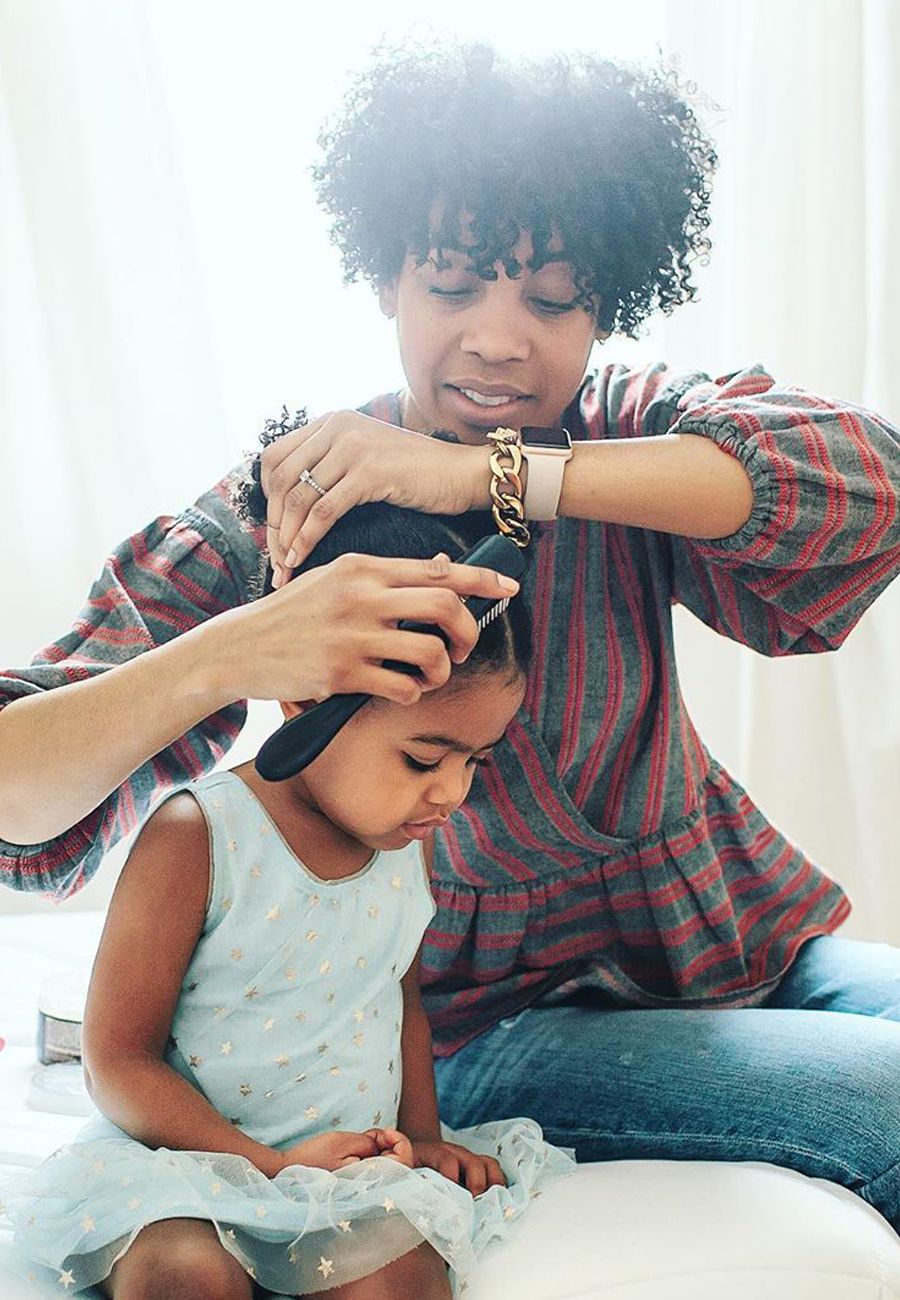
8. Trim Regularly Without Procrastinating
Most parents know they should trim their child’s hair regularly but most parents also keep putting it off. The trim gets pushed back week after week and month after month until the ends are so split and damaged that a significant amount of length has to come off to remove all the damage.
Building the habit of trimming every six to eight weeks removes that procrastination from the equation. You do not wait until you can see obvious damage.
You trim on schedule whether the damage is visible or not because you know the ends are aging and weakening even when you cannot see it clearly.
Mark the trimming dates on your calendar the same way you mark doctor appointments. Treat them with the same level of importance.
A regular small trim every six to eight weeks removes so little length that it is barely noticeable. But the health improvement to the ends is significant and it protects all the length above them from the damage that split ends cause when they travel.
Use proper hair cutting scissors every time. Scissors that are not designed for cutting hair create new split ends as they cut which completely defeats the purpose of the trim.
For more on recognising when the hair truly needs a trim and what healthy ends look like versus damaged ones, signs of healthy children’s hair on Little Hair Book helps you make that distinction clearly.
9. Make Hair Time a Positive Experience Consistently
This might not sound like a hair health habit but it absolutely is. A child who dreads hair time resists it.
Resistance makes the process harder, a harder process leads to rushing. Rushing leads to rough handling. Rough handling causes breakage. Breakage costs length.
On the other hand, a child who looks forward to hair time sits still, cooperates, and allows you to work gently and thoroughly.
The hair gets proper care without the battle. And the whole process takes less time than fighting with a resistant child.
Building the habit of making hair time positive means being intentional about the environment every single session. Put on music or a show your child loves.
Talk to them during the process, use products that smell good. Keep your voice calm even when you are tired or frustrated. End every session with a genuine compliment about how beautiful their hair looks.
These things cost you almost nothing. But done consistently, they transform how your child relates to their own hair.
A child who has always experienced hair time as positive grows up with a healthy relationship with their hair.
They take care of it naturally because they have always associated it with love and attention rather than pain and dread.
For more on how to protect your child’s hair from all the daily and weekly things that work against its health, how to protect children’s hair on Little Hair Book covers the protective habits that keep the hair safe from damage consistently.
Putting the Habits Together
None of these habits in isolation will transform your child’s hair overnight. But all of them together, practiced consistently over weeks and months, will produce results that are genuinely dramatic compared to where you started.
Start with one or two habits if the full list feels overwhelming. Moisturizing before styling and using a satin bonnet at night are the two highest-impact habits to start with.
Get those locked in first, then add gentle handling and also add regular trimming. Build gradually until the whole set of habits is just part of how you do things.
The hair will show you that the habits are working. It will start to look fuller and feel softer. It will break less during combing.
It will retain length noticeably from month to month and your child will start to look forward to hair time instead of dreading it.
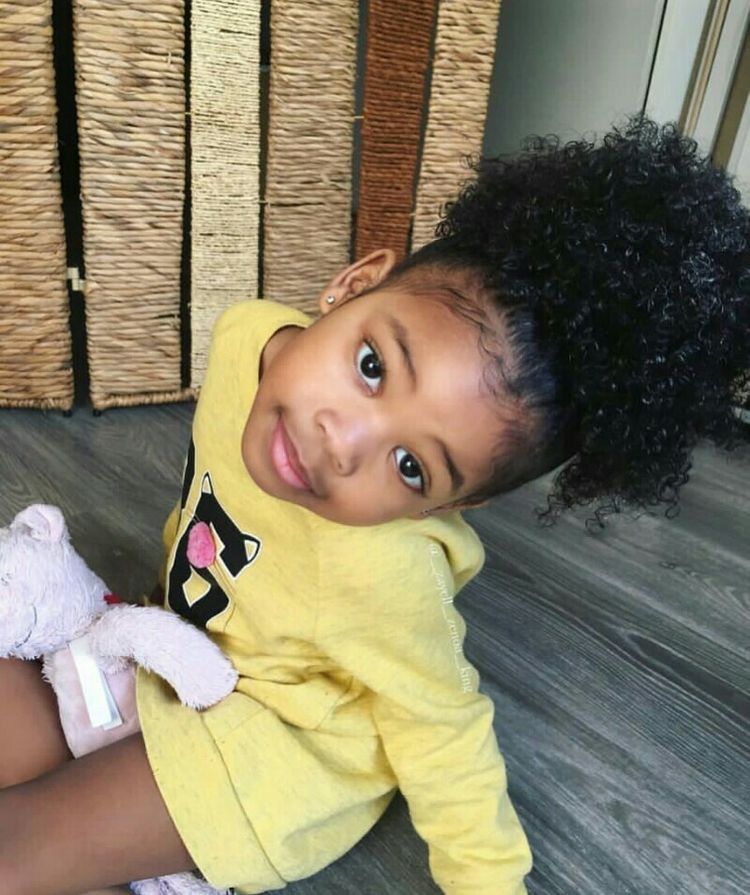
That is the real goal. Not just healthy hair but a child who loves their hair and a routine that feels good for both of you.

