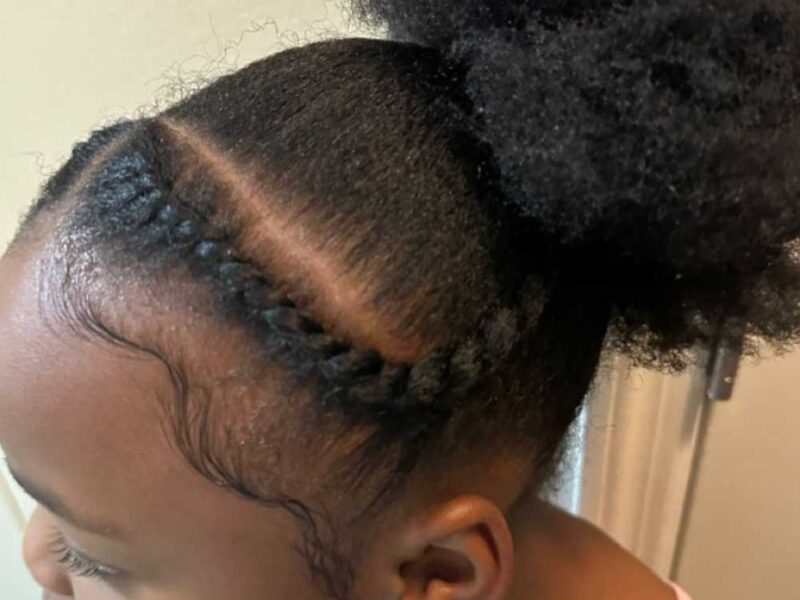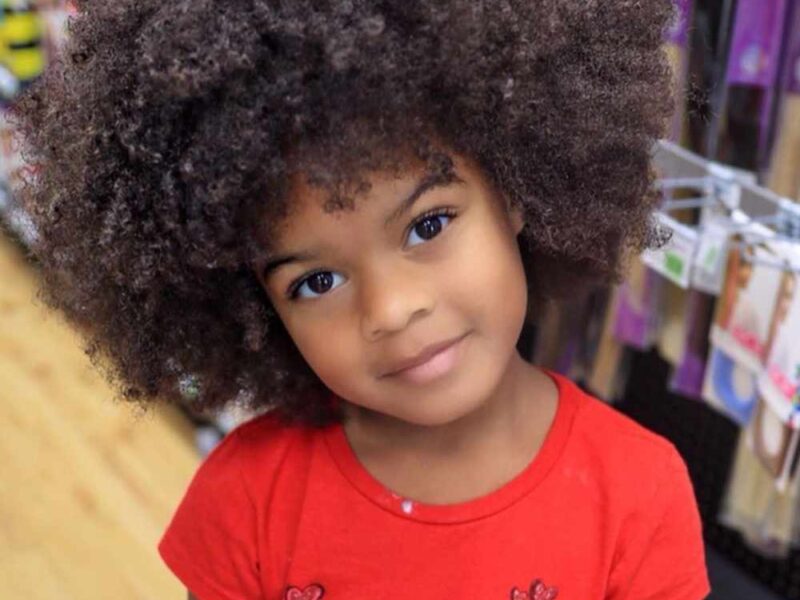
If you just finished wash day and you are wondering what to do next, this post is for you. We already talked about how to wash children’s hair properly on Little Hair Book, and moisturizing is honestly the next most important step after that. You cannot skip it.
I will be honest with you. For a long time, I thought washing my daughter’s hair was enough. I would wash it, dry it, and style it. Then I would wonder why it always looked dry and dull a day later. The answer was simple. I was not moisturizing properly.
Once I figured that out her hair started to look fuller, softer, and healthier and it stayed that way longer between wash days. That is exactly what I want for your child too.
So let’s get into it.
Why Moisturizing Your Child’s Hair Is So Important
Hair needs water to stay healthy. That is the basics of it. When hair lacks moisture, it becomes dry and brittle. Brittle hair breaks easily. And when hair is always breaking, it never seems to grow.
This is especially true for children with natural, curly, or thick hair. Those hair types are naturally drier because the curl pattern makes it harder for the scalp’s natural oils to travel down the hair shaft.
So moisture needs a little help getting where it needs to go.
Beyond growth, moisturized hair is also just easier to manage. It detangles better. It styles better. And your child will feel less pain during combing, which makes everyone’s life easier.
Save this post: How to Care for Natural Children’s Hair
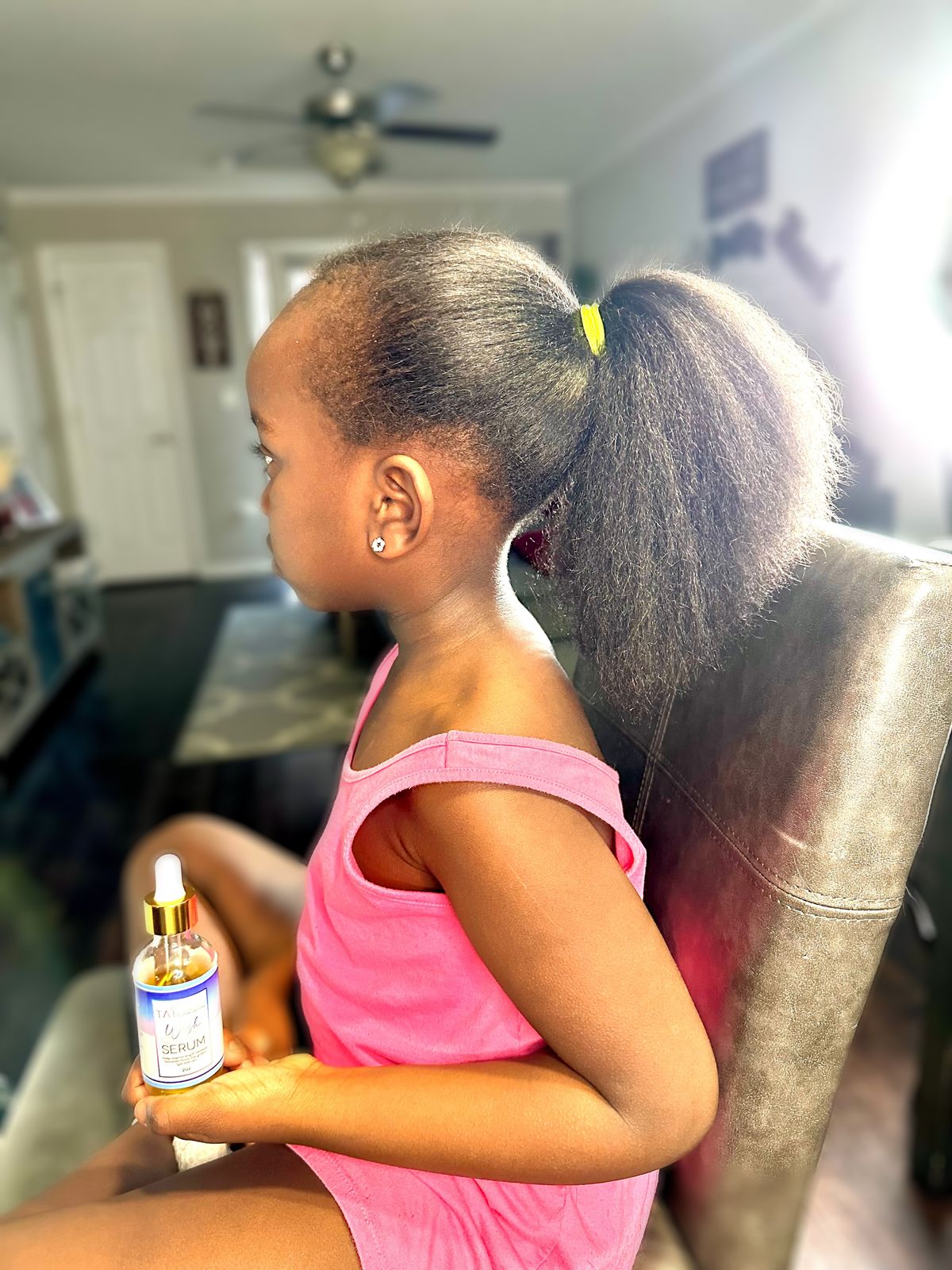
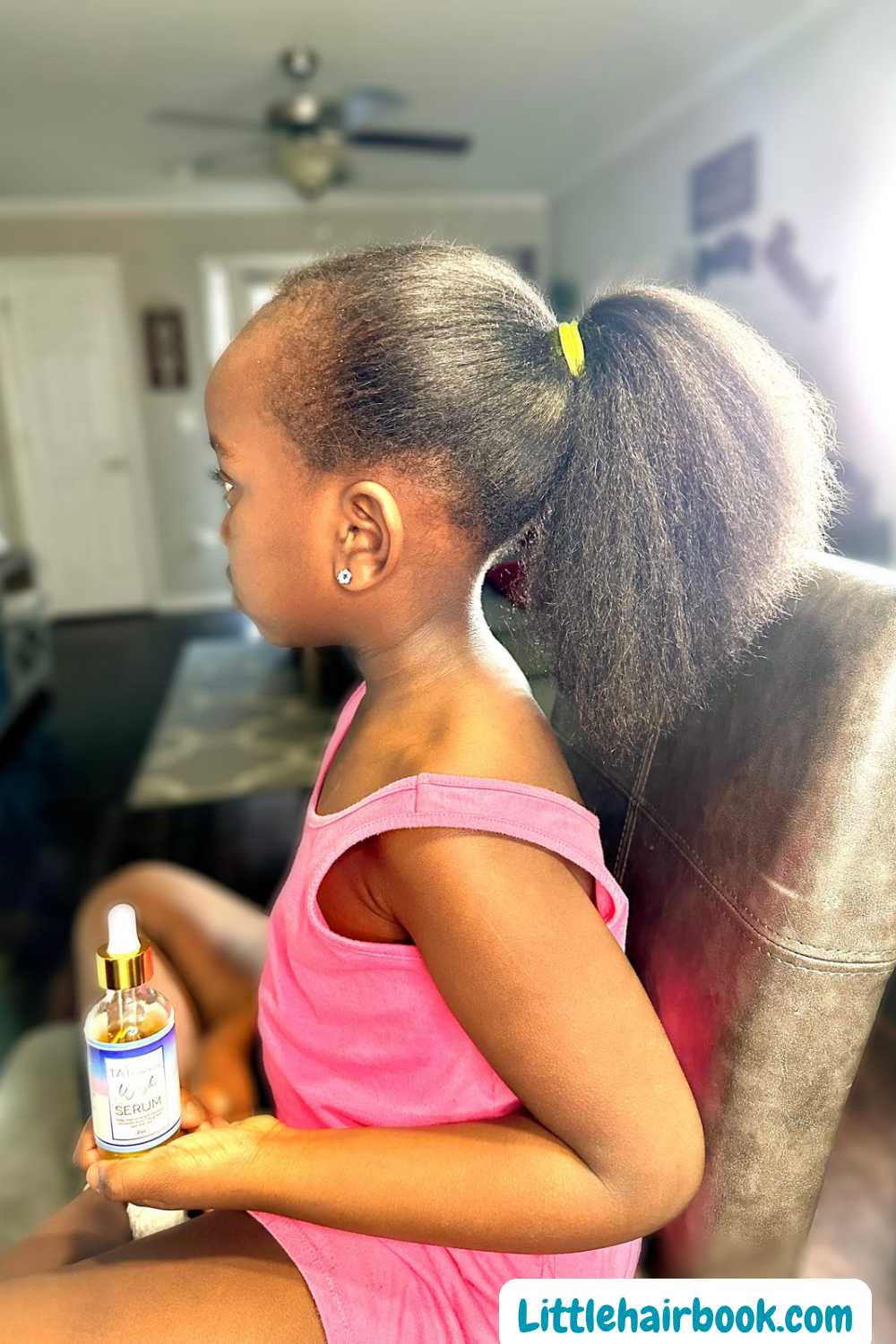
The LOC Method and Why It Works
You may have heard of the LOC method. If you have not, let me break it down for you because it is genuinely one of the best things I learned for my daughter’s hair.
LOC stands for Liquid, Oil, and Cream. You apply them in that order, and each layer helps seal in what came before it.
Liquid : This is usually water or a water-based leave-in conditioner. Water is the only true moisturizer for hair. Everything else just helps keep it in.
Oil: You apply oil on top of the liquid to seal the moisture in. Good options include coconut oil, jojoba oil, olive oil, and sweet almond oil. The oil creates a barrier that slows down how fast the water evaporates from the hair.
Cream: A hair cream or butter goes on last. It adds another layer of sealing and also helps with softness and definition.
Not every child needs all three steps. Some hair types do well with just liquid and cream. Try it and see what works for your child.
Pin this post: Daily Hair Care for Kids
What Products to Use for Children’s Hair
Choosing the Right Leave-In Conditioner
The leave-in conditioner is your best friend on non-wash days. It adds moisture back into the hair without needing a full wash.
Look for leave-in conditioners that list water as the first ingredient. That is a good sign that the product is actually moisturizing and not just coating the hair.
Avoid products with a lot of alcohol high up on the ingredient list. Alcohol dries out the hair, which is the opposite of what you want.
For children, go for something gentle and fragrance-free if your child has a sensitive scalp. There are many great kids’ hair products on the market now. You do not have to use adult products on a child’s hair.
If you are also working on building a full routine around moisturizing, Children’s Hair Care Routine on Little Hair Book walks you through how to put it all together.
Choosing the Right Oil for Your Child’s Hair
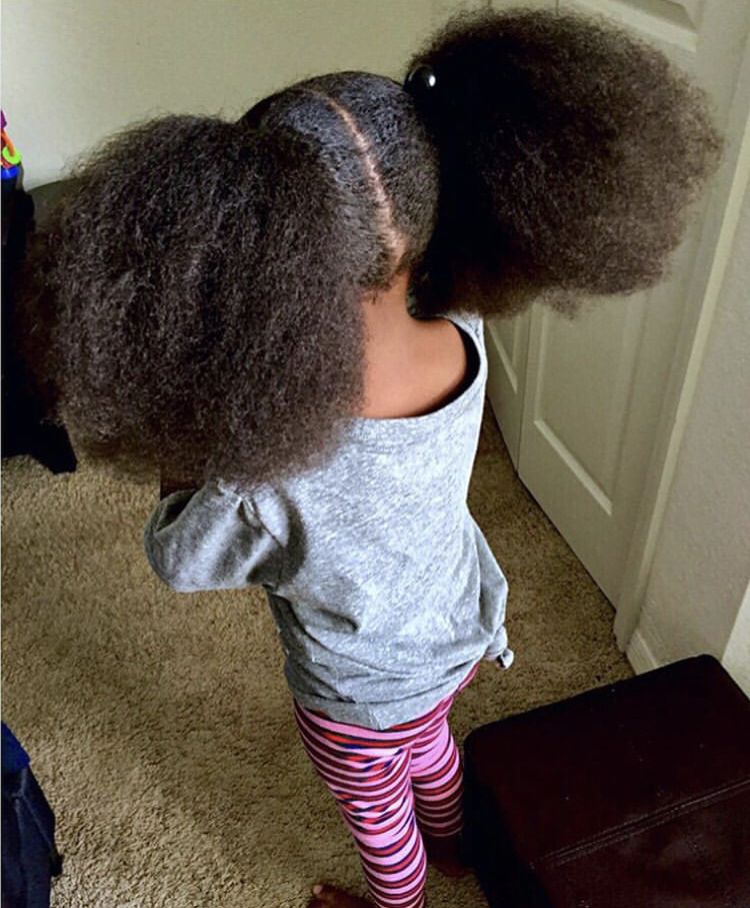
Not all oils work the same way. Some oils are light and absorb into the hair quickly. Others are heavy and sit on top of the hair to seal moisture in.
Light oils like jojoba oil and argan oil absorb into the hair and are great for finer hair types. They do not weigh the hair down.
Heavier oils like castor oil, coconut oil, and olive oil are better for thick, natural, or 4C hair. They provide a stronger seal and also help with scalp health.
Castor oil in particular is popular for children’s hair because it is thick and helps with moisture retention. Mix it with a lighter oil if it feels too heavy on its own.
Apply oil to damp hair, not dry hair. Damp hair absorbs the oil better and the oil can actually do its job of sealing in the moisture that is already there.
You should not miss this: Weekly Hair Care Routine for Children
How to Actually Moisturize the Hair Step by Step
Start With Damp Hair Always
The best time to moisturize is right after a wash when the hair is still damp. But on non-wash days, you can lightly spray the hair with water first before applying any products.
Dry hair does not absorb products well. When you try to put cream or oil on completely dry hair, it just sits on top. Starting with damp hair makes everything work better.
Here is a simple step-by-step to follow:
Step 1: Lightly mist the hair with water using a spray bottle. You do not need to soak it. Just dampen it enough that it feels soft and slightly wet to the touch.
Step 2: Apply your leave-in conditioner. Work it through the hair in sections, making sure every part of the hair gets covered. Pay extra attention to the ends since they tend to be the driest.
Step 3: Apply your chosen oil on top of the leave-in. Use a small amount and spread it evenly. Again, focus on the ends and mid-lengths.
Step 4: If your child’s hair is very dry or thick, follow up with a hair cream or butter. Smooth it over the hair to seal everything in.
Step 5: Gently detangle using a wide-tooth comb or your fingers, then style as needed.
How Often Should You Moisturize?
This is a question I get a lot. The answer depends on your child’s hair type.
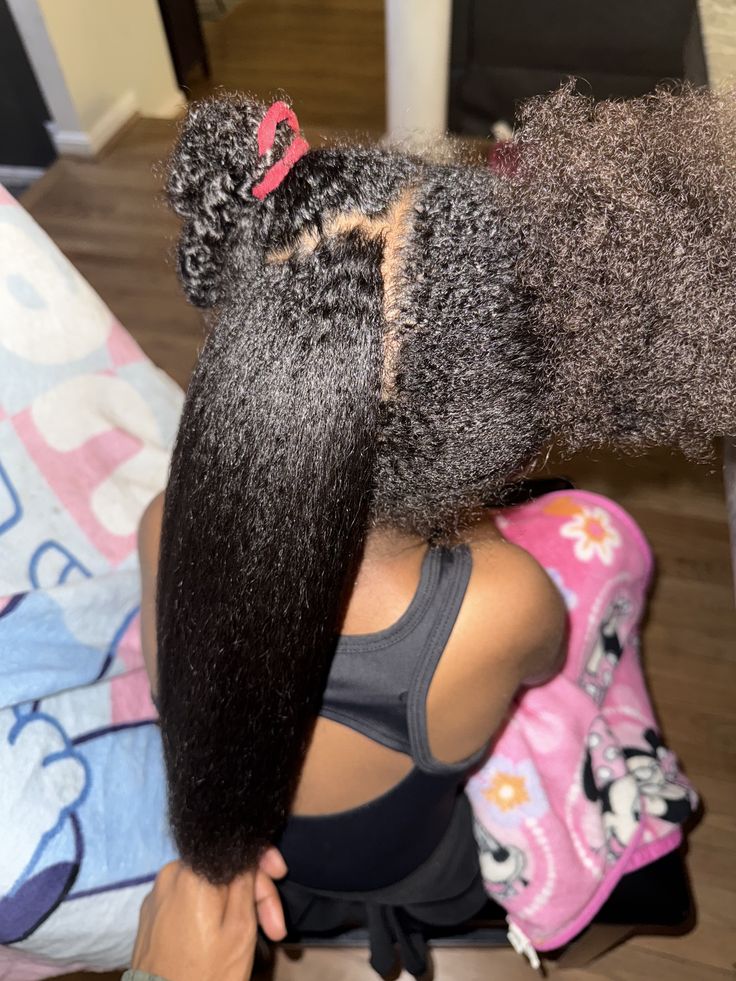
For children with straight or wavy hair, moisturizing two to three times a week is usually enough. For children with natural, coily, or 4C hair, daily or every other day moisturizing works better.
The best way to know if your child’s hair needs moisture is to feel it. If it feels rough, looks dull, or breaks when you try to style it, it needs moisture.
If it feels soft and stretches a little before breaking, the moisture levels are good.
See what others are loving now: How to Brush Children’s Hair
Moisturizing the Scalp vs. Moisturizing the Hair
These are two different things and both matter.
The scalp produces its own natural oil called sebum. But sometimes the scalp gets dry, especially in cold weather or if your child is not drinking enough water. A dry scalp can cause flaking and itching.
To moisturize the scalp, use a light oil and apply it directly to the scalp using your fingertips.
Massage gently in circular motions. This also helps with blood circulation and supports healthy hair growth.
For the hair itself, focus on leave-in conditioners and creams as we talked about above. The hair and scalp have slightly different needs, so it helps to think of them separately.
See our readers’ favorites: How to Comb Children’s Hair Without Tears
Protective Styles Help Lock in Moisture
Why Protective Styles Are Your Secret Weapon
One of the best ways to keep your child’s hair moisturized for longer is to put it in a protective style after moisturizing.
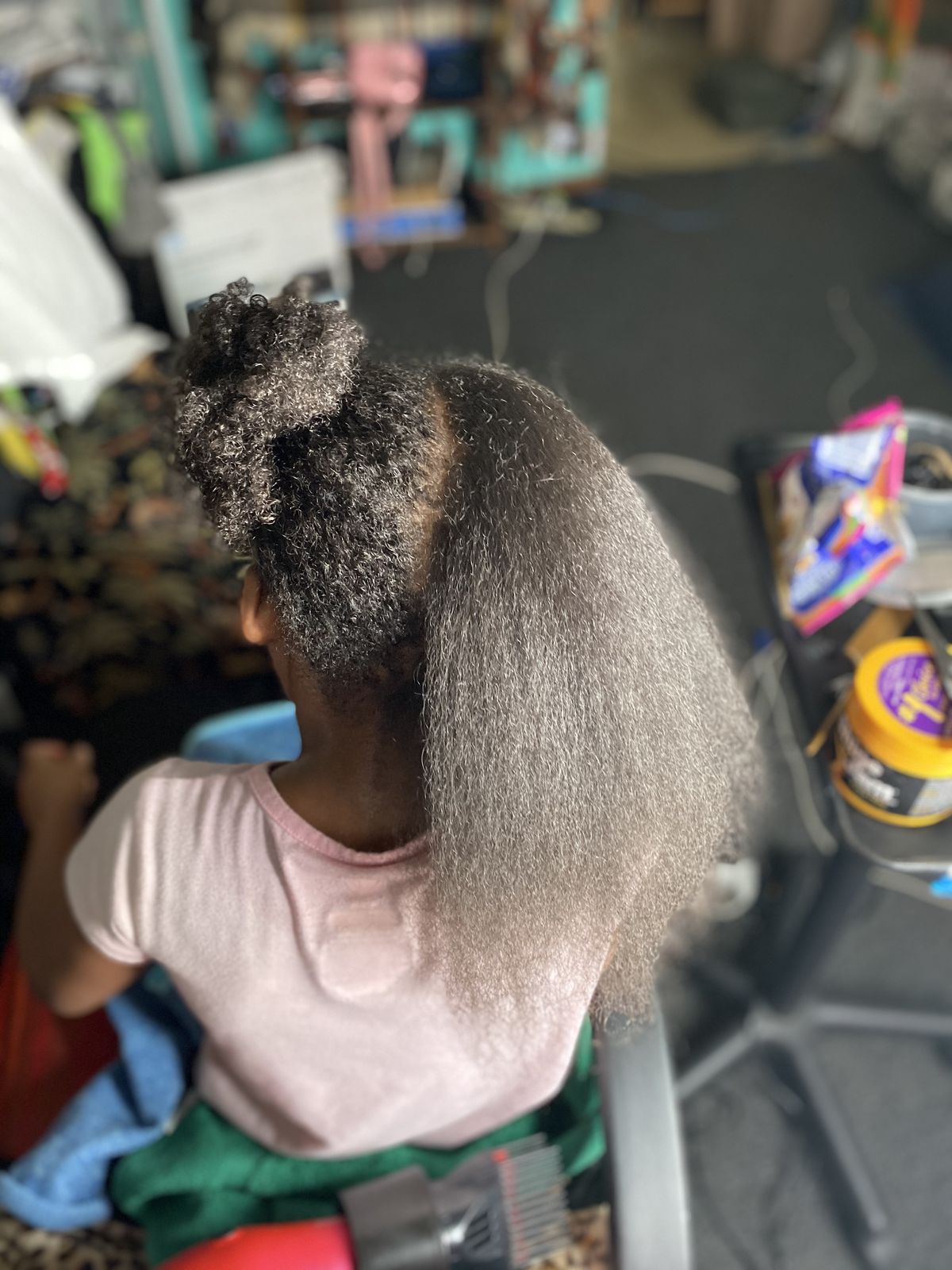
Protective styles are hairstyles that tuck away the ends of the hair and reduce how much the hair is manipulated daily. Think braids, twists, bantu knots, or cornrows.
When the ends of the hair are tucked away, they are protected from rubbing against clothes and pillows, which causes dryness and breakage. The hair also retains moisture much longer when it is not being touched or combed every day.
Make sure the hair is fully moisturized before putting it into a protective style. Braiding dry hair just locks the dryness in. You want to lock moisture in, not dryness.
Also, do not make the braids or twists too tight. Tight styles pull on the edges and hairline, which can cause breakage over time.
What to Do at Night to Keep Hair Moisturized
Nighttime hair care is something a lot of parents overlook. But it makes a huge difference in how the hair looks and feels the next morning.
Cotton pillowcases absorb moisture from the hair while your child sleeps. By morning, the hair can feel dry and look frizzy even if you moisturized it the day before.
Switch to a satin or silk pillowcase. These fabrics are smooth and do not absorb moisture the same way cotton does. Your child’s hair will slide against the pillow instead of rubbing, which also means less frizz and less breakage.
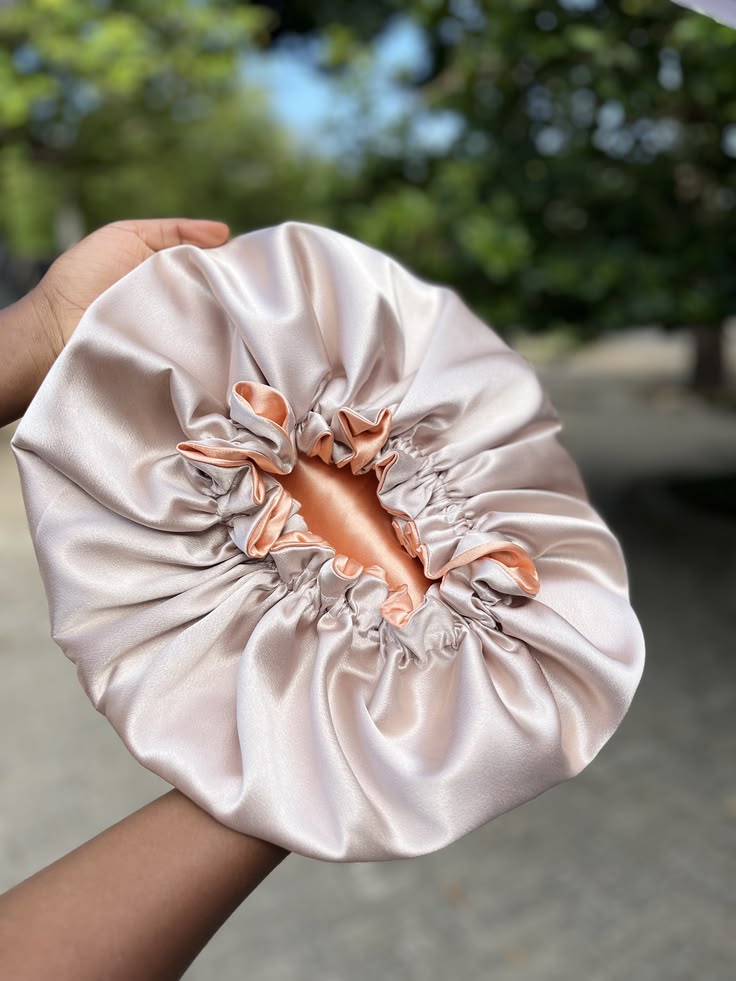
You can also use a satin bonnet or a satin-lined cap for your child at night. Some children find bonnets annoying at first, but most get used to them quickly. Start with a loose one and see how they do.
See what’s trending now: How to Care for Curly Children’s Hair
Signs That Your Child’s Hair Is Not Getting Enough Moisture
Sometimes it is hard to tell if what you are doing is working. Here are a few signs to watch out for:
The hair looks dull and lifeless: Moisturized hair has a natural sheen to it. Dry hair looks flat and dull.
The hair breaks easily: When you comb or style the hair and you hear snapping or see a lot of breakage, the hair is too dry.
The ends look rough or split: Dry ends split and fray. Trim them when needed and keep them moisturized.
The scalp is flaky or itchy: This can point to a dry scalp that needs more attention.
The hair feels rough to the touch: Healthy, moisturized hair should feel soft and smooth, not stiff or scratchy.
If you notice any of these signs, increase how often you moisturize and check the products you are using. Sometimes a product that worked before stops working because the hair’s needs change with age or seasons.
A Quick Note on Water and Diet
Hair health starts from the inside too. Make sure your child is drinking enough water every day. Hydration shows in the hair just like it shows in the skin.
A balanced diet with enough protein, healthy fats, and vitamins also supports strong, healthy hair. Foods like eggs, fish, nuts, and leafy greens are great for hair health.
You cannot out-moisturize a poor diet, so this part matters too.
Save this for your next routine: Children’s Hair Care Routine
Putting It All Together
Moisturizing your child’s hair does not have to be complicated. Start with damp hair, layer your products from liquid to oil to cream, focus on the ends, and protect the hair at night. Do that consistently and you will see a difference.
The key word here is consistency. One good moisturizing session will not fix dry hair. But doing it regularly, as part of a real routine, will transform your child’s hair over time.
As you build your moisturizing habits, you will also want to think about how often you are detangling and whether you are doing it gently enough. Head over to How to Detangle Children’s Hair on Little Hair Book for everything you need to know about that.