Breakage is the single biggest obstacle standing between your child’s hair and the length you are trying to achieve. You can have the most consistent wash day routine, the best products, and the most growth-friendly habits in place.
But if the hair is breaking at the ends faster than it grows at the roots, the length stays the same and the frustration builds.
The good news is that breakage is almost always preventable. It rarely happens without a cause and when you identify the cause and address it directly, the breakage reduces dramatically and sometimes stops almost entirely.
That is when the growth you have been working toward finally starts to show.
The last post we covered on Little Hair Book was how to strengthen children’s hair and strength and breakage prevention go hand in hand. Strong hair breaks less. But preventing breakage goes beyond just strength.
It covers everything from how you handle the hair daily to what you put on it to how you protect it at night.
Today we are covering every single cause of breakage and exactly what to do about each one.
Understanding the Difference Between Breakage and Shedding
Before we get into causes and fixes, it is important to know the difference between breakage and shedding. Parents sometimes panic about hair loss when what they are seeing is actually normal shedding rather than damaging breakage.
Shedding is natural, every hair follicle goes through a growth cycle that ends with the hair releasing from the follicle and falling out. The average child sheds between fifty and one hundred hairs per day.
When the hair is in a protective style for several days, that accumulated shedding comes out all at once during detangling and can look alarming even when it is completely normal.
Shed hairs have a small white or clear bulb at the root end. That bulb is the root of the hair that released naturally from the follicle. Broken hairs have no bulb. They are simply a piece of a strand that snapped under tension somewhere along its length.
If most of the hair coming out during detangling has bulbs, you are dealing with normal shedding. If most of it has no bulbs and consists of short pieces of various lengths, you are dealing with breakage. Knowing which one you are facing tells you whether you need to change something in your routine or simply accept that shedding is a normal part of the hair cycle.
For guidance on recognising other signs of hair health and knowing when something genuinely needs to change, signs of healthy children’s hair on Little Hair Book helps you read your child’s hair accurately.
Causes of Hair Breakage in Children
1. Dryness
Dryness is the number one cause of breakage in children’s hair. Dry hair lacks the flexibility to bend under tension.
Instead of bending, it snaps and hair that snaps constantly never retains its length no matter how much grows at the root.
Dryness comes from multiple sources simultaneously in most cases. Harsh sulfate shampoos strip moisture every wash day.
Skipping the deep conditioner leaves the hair depleted after washing. Not using a leave-in conditioner between washes means the hair gets no moisture replenishment.
Not sealing with oil means whatever moisture does get into the hair evaporates quickly. Cotton pillowcases absorb moisture overnight. All of these together create chronic dryness that leads to chronic breakage.
The fix is building a complete moisture routine and following it without gaps. Water first always. Leave-in conditioner on damp hair. Oil to seal. Cream as the final layer for natural and curly hair.
Deep conditioner every wash day. Satin bonnet every night. Each of these steps addresses one of the pathways through which the hair loses moisture.
Together they create a moisture-retaining environment that dramatically reduces dryness and the breakage that comes with it.
Pay particular attention to the ends. The ends are the oldest, driest, and most fragile part of the hair. They need more product than the rest of the hair and more sealing attention. Give them extra leave-in, extra oil, and extra cream every single time you moisturize.
For a full breakdown of how to moisturize correctly for your child’s specific hair type, how to moisturize children’s hair on Little Hair Book covers every step of the process in detail.
2. Rough Handling During Detangling
How Combing Technique Causes Breakage
The way you handle the hair during detangling determines how much breakage happens during every single hair session. Rough detangling causes more breakage than almost any other single factor in a child’s hair care routine.
Dragging a comb from root to tip through tangled hair is the most damaging thing you can do during detangling. Every knot the comb encounters either breaks apart or the hair breaks.
Most of the time it is the hair that breaks. Over weeks of daily rough combing, the cumulative breakage is enormous.
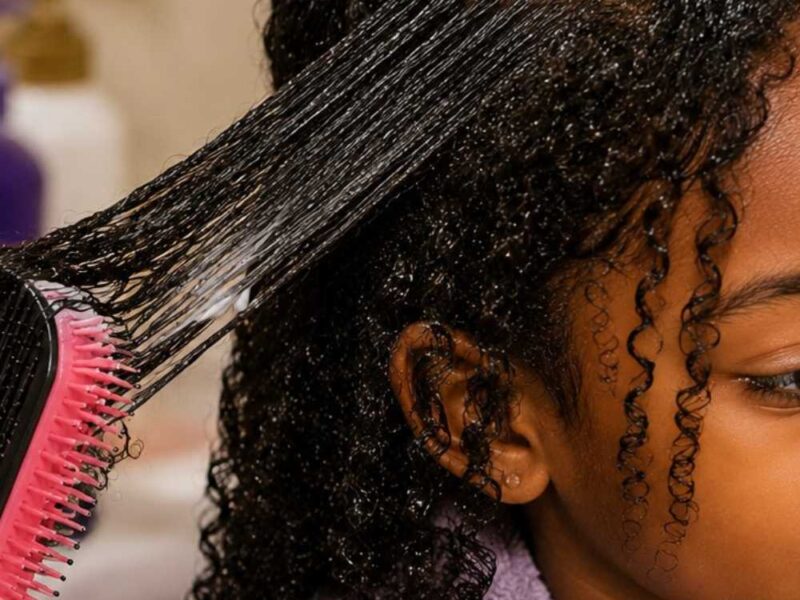
The fix starts with always detangling on damp hair that has product in it. Never attempt detangling on completely dry hair. The hair needs slip before any tool touches it.
Water and leave-in conditioner together provide that slip and allow the comb to move through the hair without the resistance that causes snapping.
Always start from the ends and work upward toward the roots. This approach clears the path one section at a time rather than pushing all the tangles toward the ends where they pile up into one massive knot.
Hold the hair above where you are combing at all times. This one technique change stops the pulling sensation from reaching the scalp and significantly reduces how much tension is applied to the hair shaft during combing.
Work in sections rather than trying to detangle all the hair at once. Small sections give you more control and allow you to be more precise and gentle with each part of the hair.
For a step by step guide on detangling correctly without causing breakage, how to detangle children’s hair on Little Hair Book walks through every detail of the process.
3. Tight Hairstyles
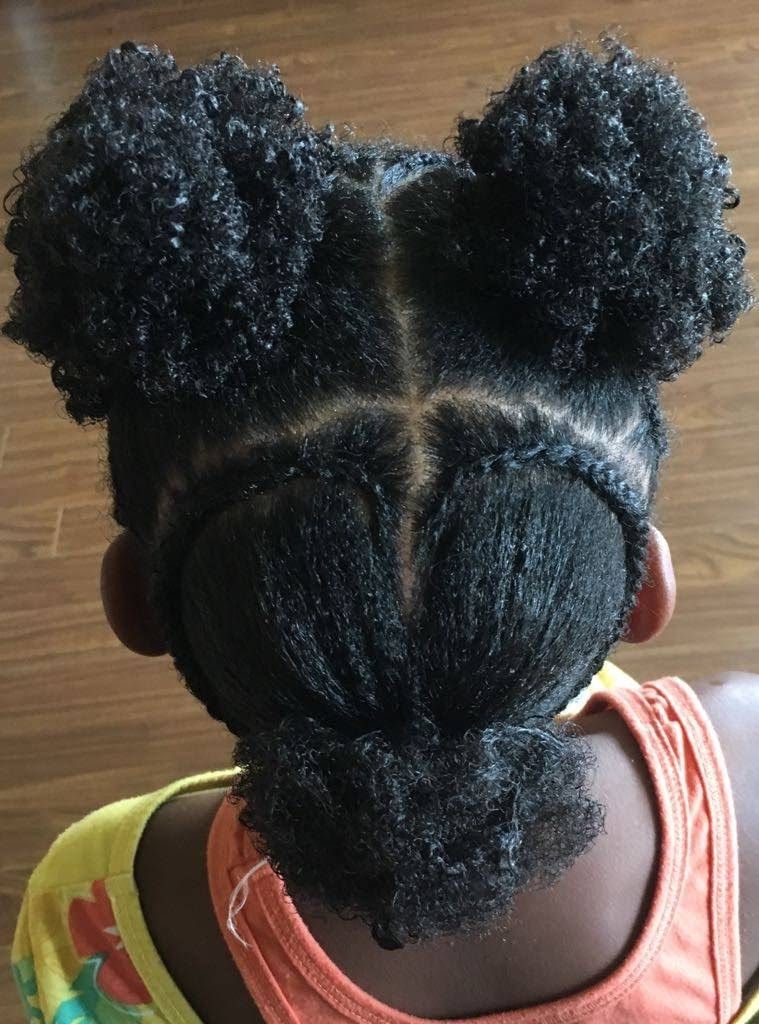
Tight hairstyles are a major and often overlooked cause of hair breakage in children. When a style pulls on the hair with significant tension, the hair shaft experiences stress at the point of tension every single day the style is worn.
Over time that repeated tension weakens the hair shaft at those stress points. The hair becomes thinner and more fragile in those areas. Eventually it breaks at the point of maximum tension, which is usually at the hairline and edges.
Cornrows that start with heavy tension right at the hairline. Ponytails pulled so tightly the skin at the temples is stretched. Braids attached to added hair that is too heavy for the natural hair to support. All of these are common causes of tension-related breakage in children.
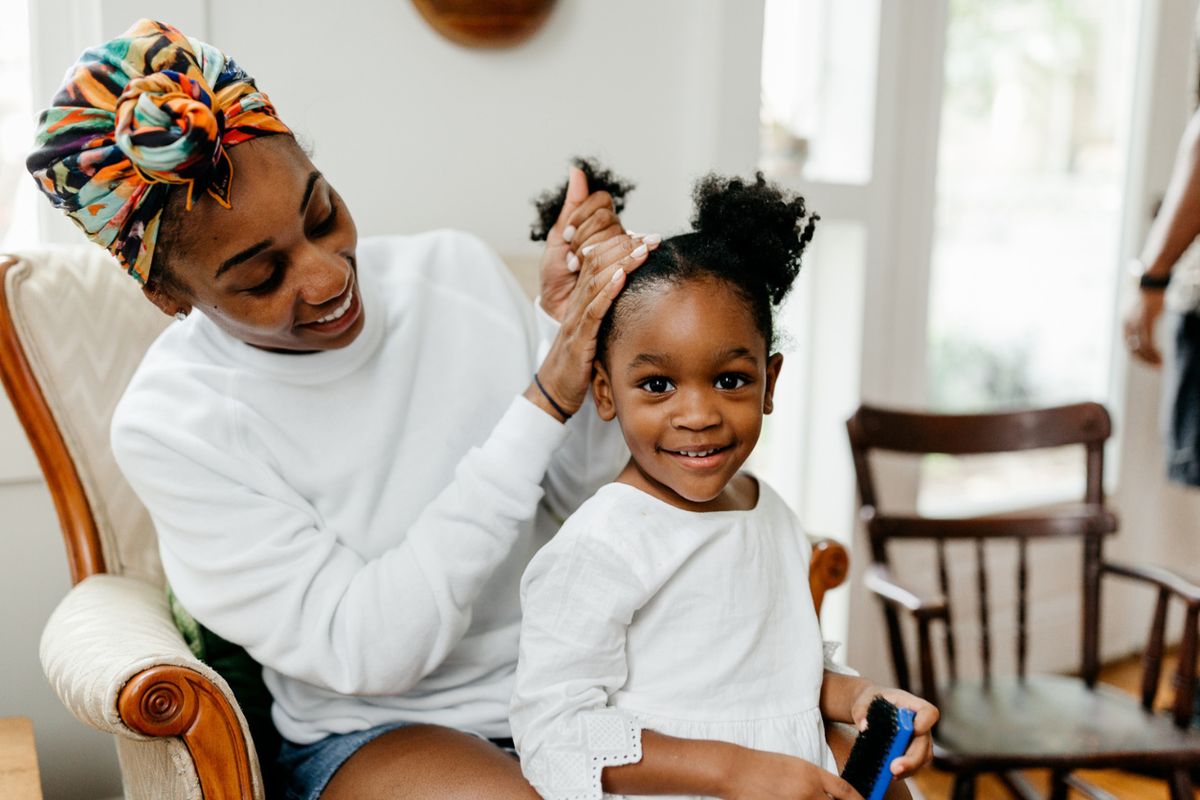
The fix is keeping every style loose enough that your child does not feel any tightness or discomfort immediately after the style is done.
A well-done protective style should feel comfortable from the moment it is finished. If your child says it is too tight, it is too tight. Loosen it immediately rather than hoping they will adjust to it.
Rotate your styling patterns regularly. Do not always start cornrows from the same point. Do not always put the ponytail in the exact same place. Varying where the tension falls gives each area of the hairline a chance to recover before being stressed again.
Give the hair regular breaks from styles that put any tension on the hairline. A few days of loose styles or no styles between protective styles allows the hairline to recover and reduces the cumulative tension damage significantly.
4. Using the Wrong Tools
When Your Tools Are Working Against You
The tools you use on your child’s hair contribute to breakage more than most parents realise. A comb with rough seams on the teeth. A brush with bristles that are too stiff for the hair type.
A regular elastic band instead of a soft scrunchie. Each of these tools causes micro-damage to the hair every time they are used.
Combs with visible seams along the teeth are particularly damaging. Those seams catch on the hair cuticle as the comb passes through and rough up the surface of each strand. Over time that roughing up weakens the cuticle and leads to breakage. Switch to seamless combs for all detangling.
Using a fine-tooth comb on tangled hair is one of the fastest ways to cause breakage. Fine-tooth combs are finishing tools only. They should never touch tangled hair. Use a wide-tooth comb for all detangling without exception.
Regular elastic bands with metal clasps pull and snap the hair every time they are used. Switch entirely to fabric scrunchies, soft coil hair ties, or snag-free elastics for all styles. Never use a regular elastic band on children’s hair.
Rough towels cause significant breakage during the drying process. The rough texture rubs against the hair cuticle during drying and creates friction damage. Switch to a microfiber towel or an old soft cotton t-shirt and use a gentle squeezing motion rather than rubbing.
For guidance on choosing the right combs to replace any damaging ones in your routine, best combs for kids on Little Hair Book covers all the best options for every hair type.
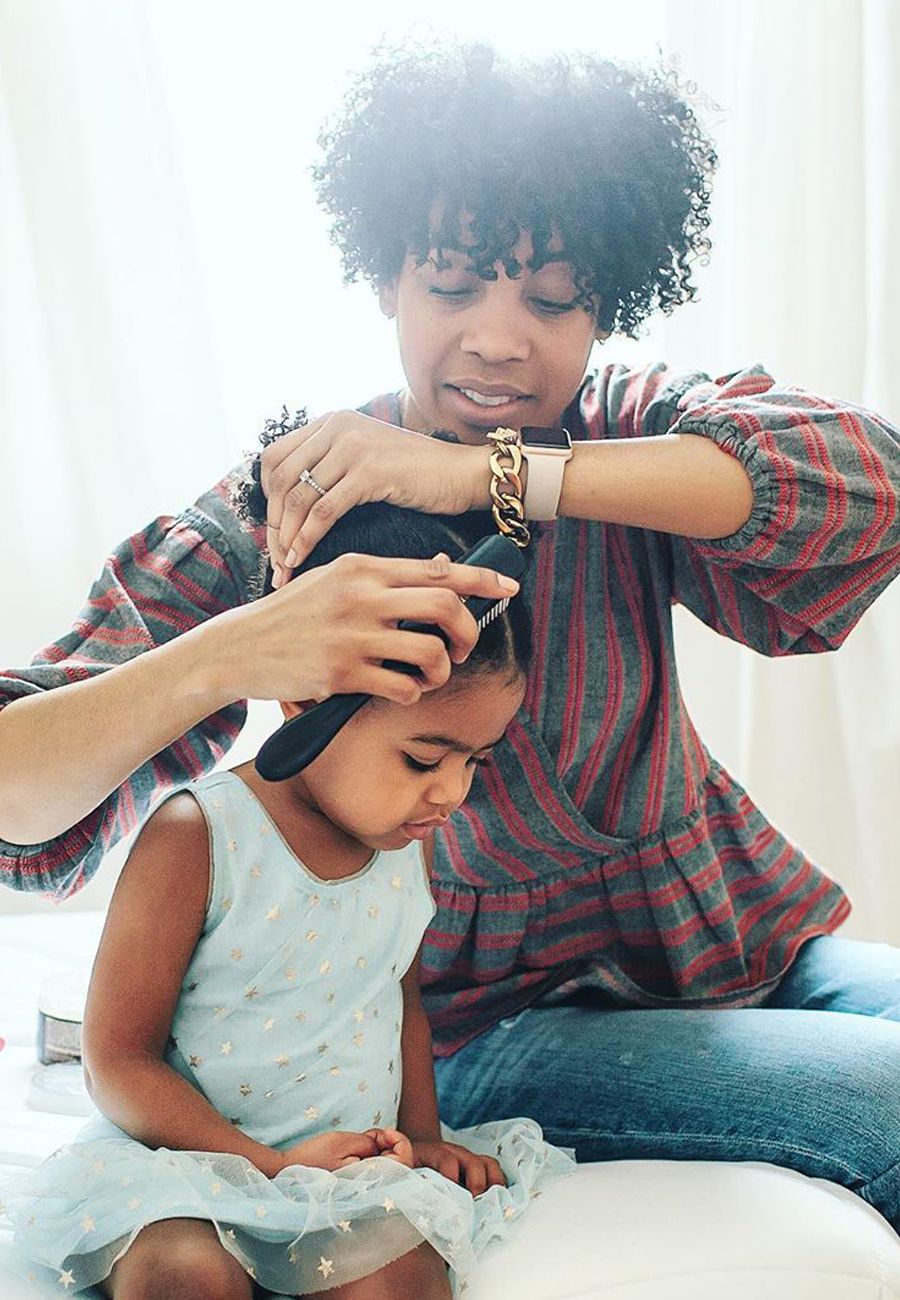
5. Skipping the Satin Bonnet
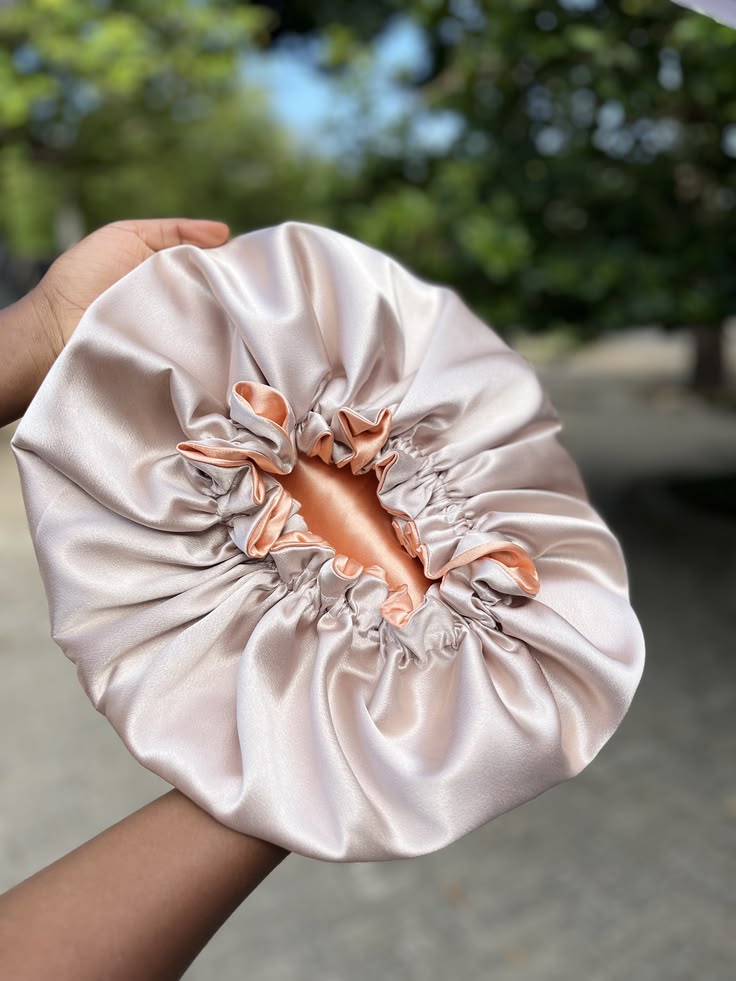
The satin bonnet is one of the simplest and most effective breakage prevention tools available. Yet it is consistently the most skipped step in children’s hair care routines.
While your child sleeps, their hair rubs against whatever surface they are lying on. Cotton pillowcases create significant friction against the hair during all the movement that happens during sleep.
That friction roughens the hair cuticle, causes frizz, and breaks the hair shaft at points of maximum friction.
Over seven nights a week and fifty-two weeks a year, the cumulative breakage from sleeping without satin protection is enormous. It is one of the most consistent and ongoing sources of hair damage that parents unknowingly allow to continue.
A satin bonnet eliminates that friction entirely. The smooth surface lets the hair glide rather than rub. Moisture stays in the hair rather than being absorbed by the pillowcase. Styles stay intact and the hair wakes up in significantly better condition than without protection.
Make the satin bonnet non-negotiable. Put it on every single night without exception. For children who will not keep a bonnet on, a satin pillowcase works equally well.
For very young children who pull bonnets off in their sleep, try a satin-lined cap that fastens securely.
6. Leaving Split Ends Untrimmed
Split ends are not just a cosmetic issue. They are a structural problem that causes ongoing breakage when left untreated.
A split end is exactly what it sounds like. The end of a hair strand has split into two or more pieces. Once a strand splits, the split travels upward along the shaft unless it is removed.
The further it travels, the weaker the entire strand becomes along its length. Eventually the strand breaks at the point where the split has traveled to, removing not just the damaged end but a significant portion of the healthy hair above it.
Trimming the split ends before they travel preserves all the healthy hair above them. A trim every six to eight weeks removes so little length that it is barely noticeable. But the health improvement to the ends and the breakage prevention benefit is significant.
Never use regular scissors for trimming. Regular scissors have serrated edges that create new split ends as they cut. Use proper hair cutting scissors designed specifically for hair. They cut cleanly without creating new damage at the cut point.
Pin this post: Children’s Hair Growth Routine
7. Product Buildup
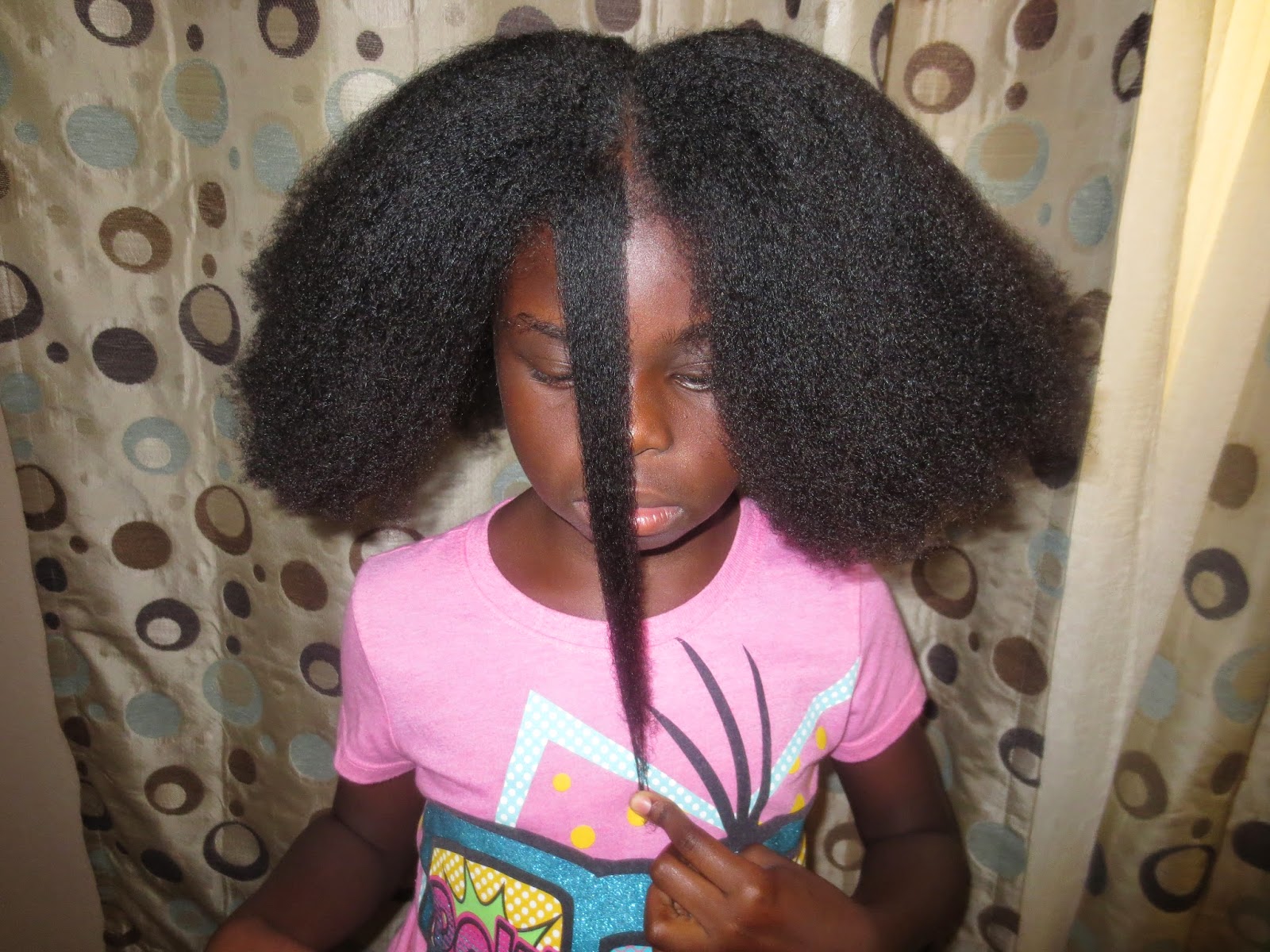
Product buildup on the hair and scalp is a less obvious cause of breakage but a genuine one. When heavy products accumulate on the hair shaft over time, they create a coating that makes the hair stiff and more prone to snapping under tension.
Buildup also clogs the scalp follicles and interferes with healthy hair production. The hair that grows from clogged follicles is weaker and thinner than hair from clean, unclogged follicles.
Using a clarifying shampoo once a month removes accumulated buildup from both the hair and scalp. It gives the hair a clean start and allows products applied afterward to penetrate properly rather than sitting on top of a layer of old product.
Between clarifying washes, be mindful of how much product you are applying to the hair. More product does not mean more moisture or more protection. Layering too many heavy products creates buildup that causes the very breakage you are trying to prevent.
Choose lightweight products that absorb into the hair rather than sitting on top of it. Products with mineral oil, petrolatum, and heavy non-water-soluble silicones are the most common culprits for stubborn buildup that regular shampoo cannot remove.
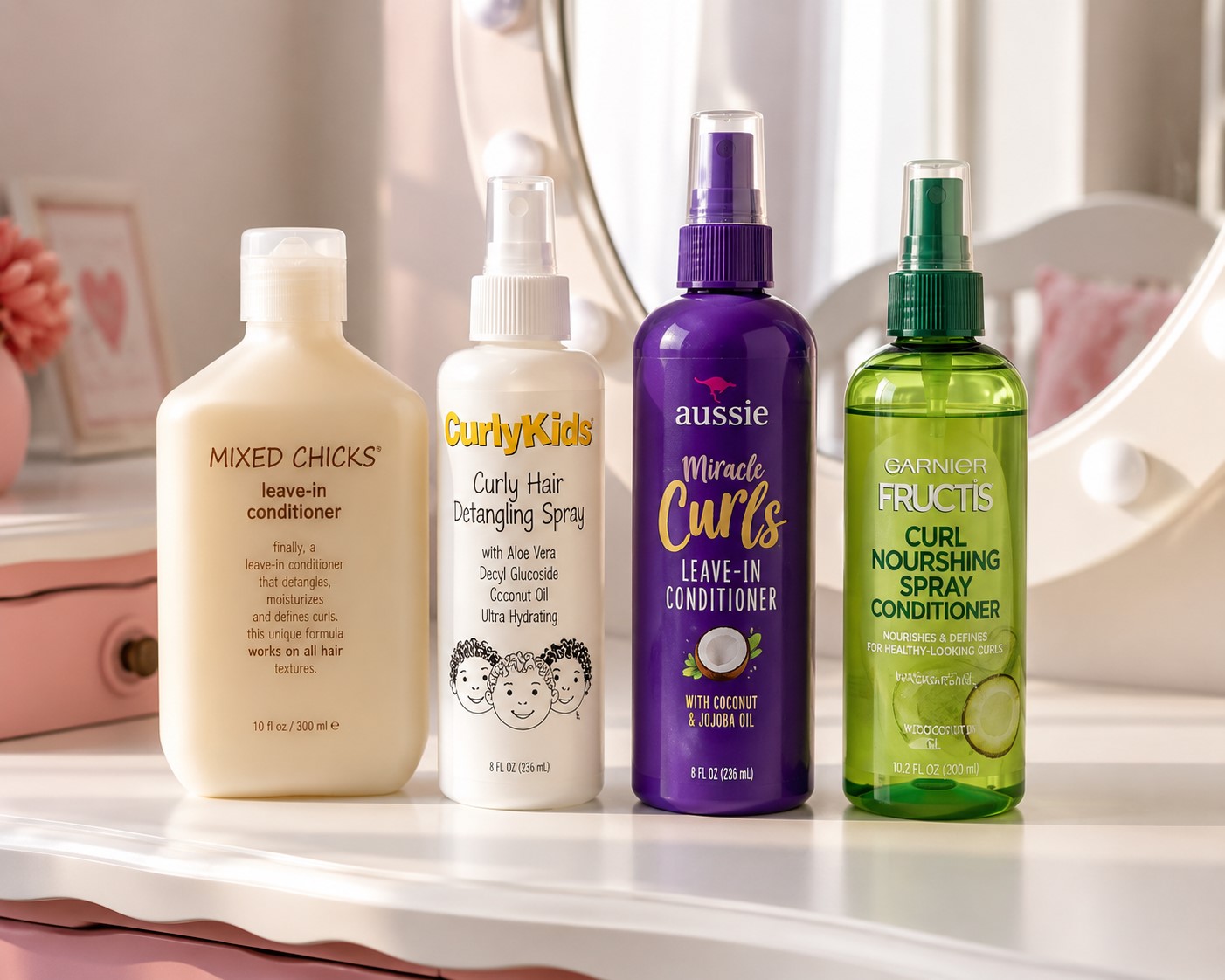
For guidance on choosing lightweight moisturizing products that nourish without buildup,Best Hair Moisturizers for Children on Little Hair Book covers all the best options with clean ingredient lists for every hair type.
8. Heat Damage
Heat damage weakens the protein bonds inside the hair shaft in a way that cannot be reversed. Hair that has been heat damaged becomes structurally compromised.
It breaks more easily, loses its natural texture, and responds poorly to moisture because the damaged cuticle can no longer seal properly.
For children’s hair, minimizing heat use is always the right approach. Air drying is gentler than blow drying. Diffusing on low heat is better than blow drying on high.
Letting the hair dry in braids or twists produces a beautiful stretched style without any heat at all.
When heat is genuinely necessary, always apply a heat protectant product to damp hair before any heat tool touches it. Use the lowest effective heat setting rather than the highest. Keep the heat moving rather than holding it on one section for too long.
If heat damage has already occurred in your child’s hair, the only true fix is cutting off the damaged sections and rebuilding the hair from scratch with a healthy routine. Going forward, commit to a low or no-heat approach to prevent the damage from returning.

9. Nutritional Gaps
Hair that lacks structural strength from the inside breaks more easily than hair that is well nourished. The follicle needs adequate protein, iron, zinc, biotin, and omega-3 fatty acids to produce hair that is structurally resistant to breakage.
A child whose diet is consistently lacking in any of these nutrients produces hair that is weaker from the very root. No amount of external product work can compensate fully for a nutritional gap that is compromising the hair at its production point.
Ensure protein is present at every meal. Add iron-rich foods regularly alongside vitamin C to improve absorption. Include healthy fats through fish, nuts, and avocado. Make water a consistent part of the day rather than an afterthought.
If you suspect a specific nutritional deficiency despite a generally balanced diet, consult a doctor before adding any supplements.
Blood tests can identify specific gaps and a doctor can recommend the safest and most effective approach for your child’s age and needs.
For more on how consistent healthy habits including nutrition connect to preventing breakage over the long term, healthy hair habits for kids on Little Hair Book covers all the lifestyle habits that support breakage-free hair.
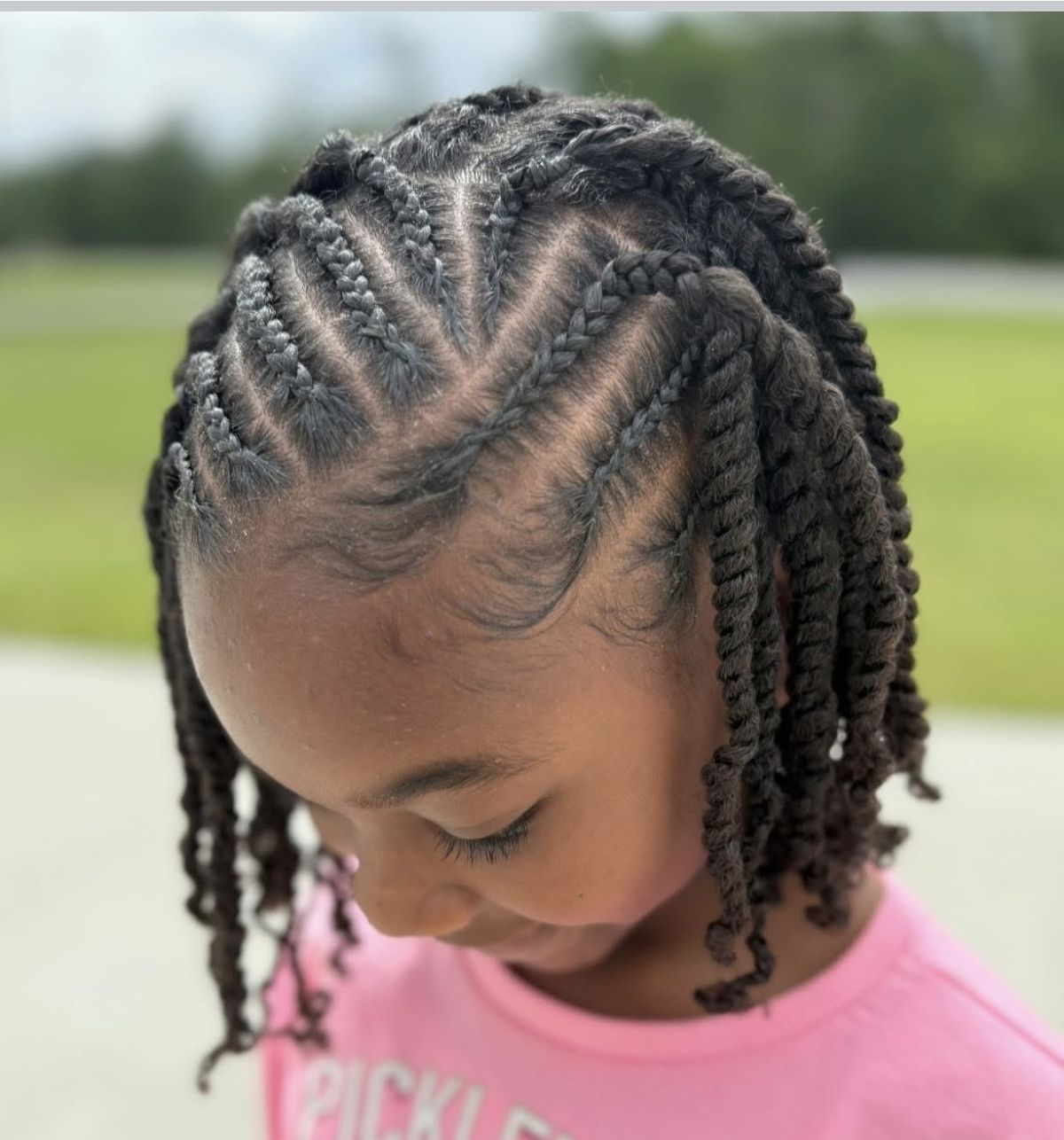
Building a Breakage Prevention Routine
Preventing breakage is not about fixing one thing. It is about addressing all the causes simultaneously and consistently. One change helps. All changes together transform the hair.
Start by identifying which of the causes above applies most strongly to your child’s hair right now. Is the hair chronically dry? Is rough detangling the main issue? Are styles too tight? Are split ends being left untrimmed? Start with the most obvious cause and fix it first.
Then systematically work through the others. Add the satin bonnet. Switch to seamless combs. Replace elastic bands with scrunchies. Start trimming every six to eight weeks. Build the full moisture routine. Add protein treatments monthly.
Within a few weeks of addressing the main causes of breakage, you will notice a difference in how much hair ends up on the comb during detangling. Within a few months, you will see it in the length the hair is retaining.
That retained length is the direct result of breakage that is no longer happening and growth that is finally being kept.
For everything you need to know about protecting the hair from all the daily factors that cause breakage going forward, how to protect children’s hair on Little Hair Book is exactly where to go next.