
Hair changes gradually, so progress can be difficult to notice when you see it every day. That is why it helps to know exactly what healthy children’s hair looks and feels like.
Recognizing the signs of healthy hair gives you confidence that your routine is working. It also helps you spot problems early, before they become more serious.
For many parents, seeing healthier hair after weeks of consistent care is one of the most rewarding parts of the journey.
In our previous Little Hair Book post, we explained how to keep children’s hair healthy and build an effective hair care routine. Today, we’ll focus on the results of that routine. You’ll learn what healthy hair looks like, how it feels, and the warning signs that tell you something needs to change.
10 Signs of Healthy Children’s Hair
1. The Hair Retains Moisture Well
One of the clearest signs of healthy children’s hair is its ability to retain moisture. Healthy hair absorbs moisture easily and holds onto it for a reasonable amount of time. Damaged hair, on the other hand, loses moisture quickly.
A simple test can tell you a lot. Moisturize your child’s hair thoroughly on wash day. Then check it again 24 hours later. Does it still feel soft and flexible? Or does it already feel dry and rough?
Healthy hair should still feel reasonably moisturized after one day. It may need a light refresh on the second or third day, but it should not feel completely dry within 24 hours.
If moisture disappears quickly, your child may have high-porosity hair. High-porosity hair has gaps in the cuticle that allow moisture to enter easily. Unfortunately, that moisture also escapes just as quickly.
You can improve moisture retention by using heavier sealants such as castor oil or shea butter cream. Regular protein treatments also help strengthen the hair shaft and reduce moisture loss.
If you want to learn more about building a routine that improves moisture retention, read our guide on how to grow children’s hair naturally. It explains how proper moisturizing supports healthy growth and length retention.
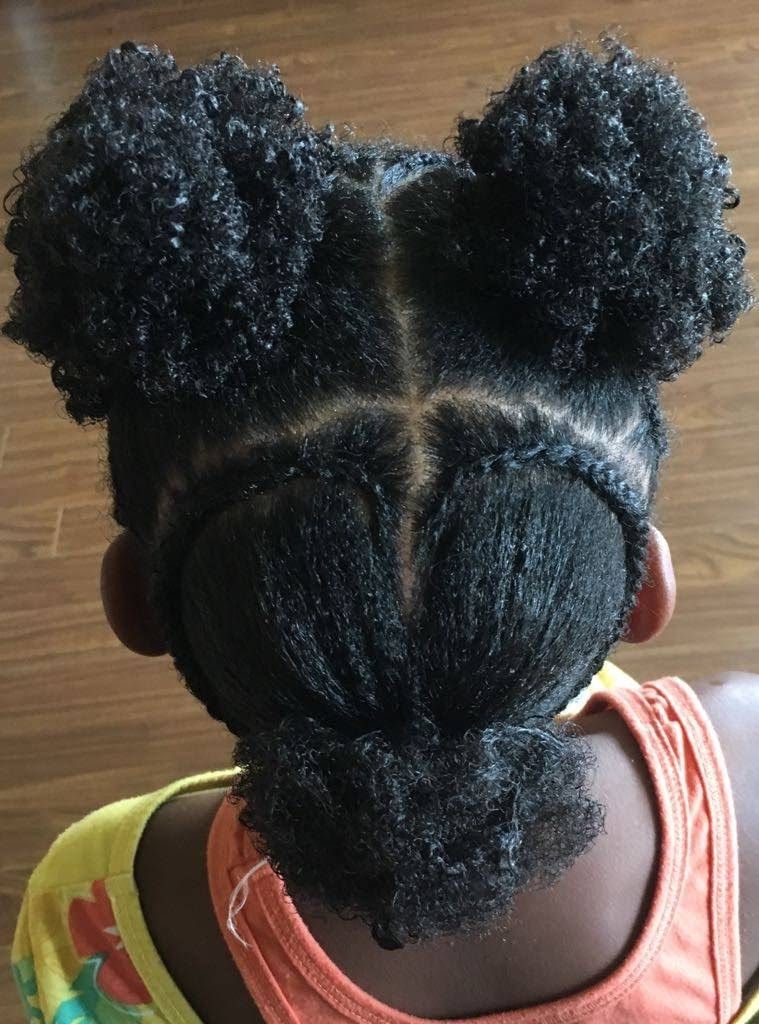
2. Minimal Breakage During Detangling and Styling
Some shedding during detangling is completely normal. Most people naturally shed between 50 and 100 hairs each day. If your child’s hair has been in a protective style for several days, that shed hair often comes out all at once.
Breakage is different.
Healthy hair should shed naturally, but it should not snap excessively during combing or styling. Learning the difference between shedding and breakage is important.
A shed hair has a small white bulb at one end because it has completed its natural growth cycle. A broken hair has no bulb. It is simply a strand that snapped under stress.
If you notice many short, broken pieces during detangling, something in your routine needs attention.
Dryness is one of the most common causes of breakage. Rough handling, incorrect tools, poor detangling techniques, and leaving styles in for too long can also weaken the hair.
Once you correct those issues, you’ll usually notice less hair collecting in the comb after each detangling session.
For a step-by-step guide, read our article on how to detangle children’s hair without causing unnecessary breakage.
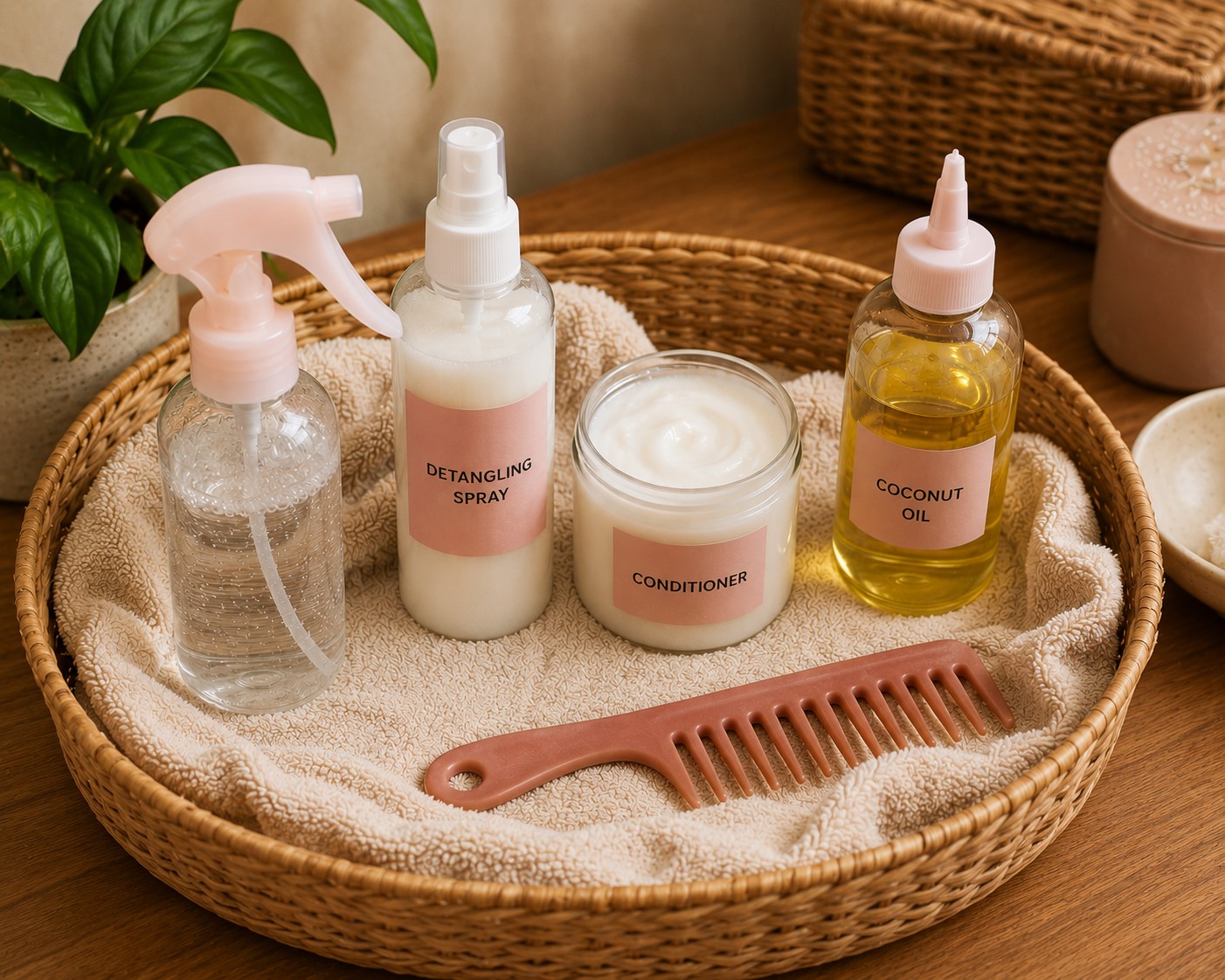
3. The Hair Has a Natural Sheen
Healthy hair has a natural sheen. This is different from the temporary shine created by heavy products or silicone-based serums. True shine comes from a smooth, healthy cuticle.
When the hair cuticle lies flat, it reflects light evenly. As a result, the hair looks healthy and vibrant. When the cuticle is rough or damaged, light scatters instead. The hair then appears dull and lifeless.
Straight and wavy hair usually show shine more easily. Curly and coily hair display it differently. Instead of looking glossy, healthy natural hair often appears rich, vibrant, and full of life.
If your child’s hair looks dull even after moisturizing, the cuticle may not be sealing properly.
One simple solution is to finish wash day with a cool-water rinse. This helps close the cuticle and improves the hair’s natural shine. You can also use a diluted apple cider vinegar rinse once a month to smooth the cuticle and restore lost sheen.

4. The Hair Is Growing Over Time
Visible Length Retention Is a Clear Sign of Healthy Hair
This is the sign most parents pay attention to, and for good reason. Visible length retention is one of the strongest indicators that your child’s hair is healthy and your routine is working.
In previous posts, we explained the difference between hair growth and length retention. Hair naturally grows about half an inch each month. The real question is whether your child is keeping that new growth or losing it through breakage.
Healthy hair retains its growth.
After three months of consistent care, you should notice about one to one-and-a-half inches of retained length. After six months, many children retain between two and three inches. Some children may retain even more, depending on their hair type and routine.
Natural and curly hair should always be measured while stretched. Because of shrinkage, measuring it in its natural state can be misleading.
Take photos once a month in the same location, under the same lighting, and with the hair stretched in the same way. Comparing those photos makes it much easier to see real progress.
If you are not seeing any retained length after several months, review your routine honestly. Are you deep conditioning every wash day? Does your child sleep with a satin bonnet every night? Are you keeping the ends moisturized and sealed? Are protective styles loose enough to avoid tension?
In many cases, one of these areas is preventing length retention.
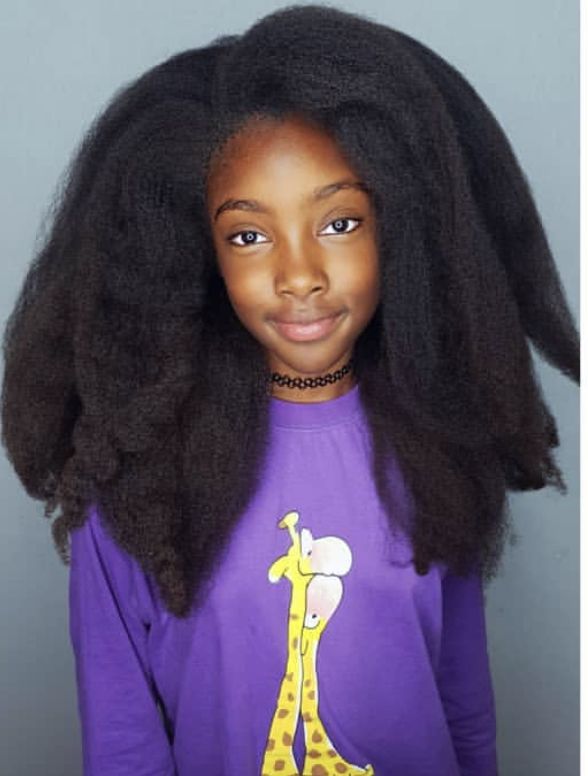
5. The Scalp Looks and Feels Healthy
Healthy hair begins with a healthy scalp. Fortunately, there are several signs that make it easy to tell whether your child’s scalp is in good condition.
A healthy scalp should not itch constantly. Mild itching from dry weather or a few extra days between washes can happen. However, persistent itching that continues after washing deserves attention.
A healthy scalp should also have very little flaking. Some natural shedding is normal, but thick yellow flakes or excessive dry flakes may point to dandruff, product buildup, or another scalp condition.
Take a few moments to part your child’s hair and examine the scalp closely. It should look clean and healthy, without redness, sores, bumps, or unusual patches. If these symptoms do not improve after adjusting the hair care routine, speak with a healthcare professional.
Another encouraging sign is the presence of baby hairs around the hairline. These fine hairs often show that the follicles are actively producing new growth.
On the other hand, thinning edges or disappearing baby hairs may indicate excessive tension from hairstyles. Looser styles and gentler handling usually help protect this delicate area.
If you’d like a complete weekly routine that supports both scalp health and hair growth, read our Children’s Hair Growth Routine here on Little Hair Book.
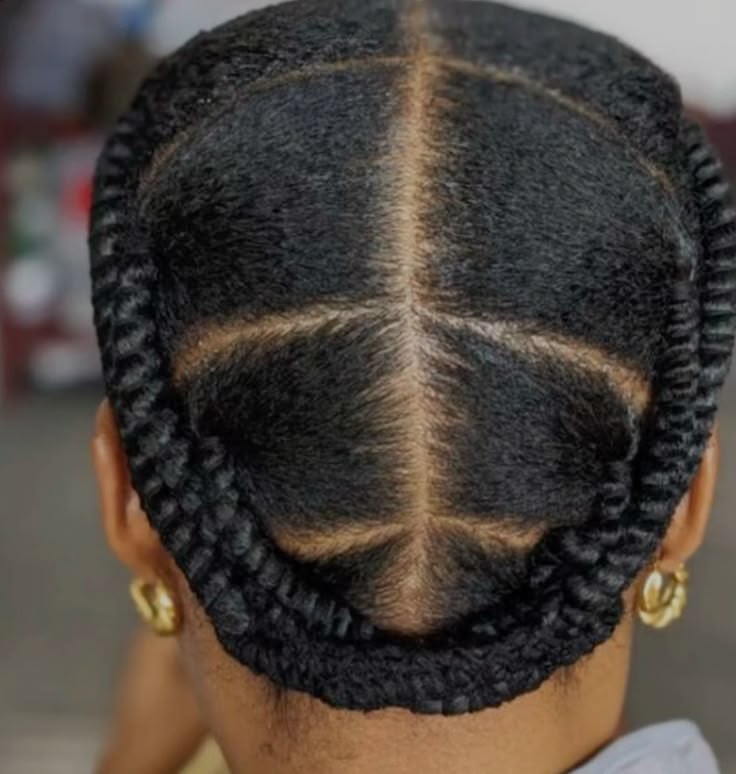
6. The Hair Has Good Elasticity
Elasticity is one of the best indicators of healthy hair, yet many parents have never heard of it.
Healthy hair stretches slightly before returning to its original length. This flexibility helps the hair resist breakage during washing, detangling, and styling.
You can test elasticity at home with a single strand of hair. Gently stretch the strand between two fingers.
Healthy hair should stretch a little before returning to its normal length.
If it snaps immediately, the hair is likely too dry or lacking protein. If it stretches a great deal without springing back, it may have too much moisture and not enough protein.
Good elasticity means the hair has the right balance of moisture and protein. That balance allows the strands to bend instead of breaking during everyday handling.
If your child’s hair fails the elasticity test, adjust the routine accordingly. Hair that snaps easily needs more moisture. Hair that feels overly stretchy usually benefits from a protein treatment.
Checking elasticity once a month is a simple way to monitor your child’s hair health and make changes before damage becomes severe.

7. Styles Last Well Between Wash Days
Long-Lasting Styles Show That the Hair Is Healthy
Healthy, well-moisturized hair usually holds styles much better than dry or damaged hair.
If your child’s protective style still looks neat after three or four days, it is often a sign that the hair is in good condition.
Dry hair behaves differently. It loses definition quickly, becomes frizzy, and often looks untidy within a day or two. Without enough moisture and elasticity, the strands cannot stay smooth for very long.
If hairstyles never seem to last, the hair may need more moisture. Night-time protection may also need improvement.
Hair that is properly moisturized, sealed, and protected with a satin bonnet or satin pillowcase should stay neat much longer than hair left exposed on a cotton pillowcase.
Pin this post: How to Protect Children’s Hair

8. The Hair Feels Soft to the Touch
Soft hair is one of the easiest signs of healthy children’s hair to recognize.
Healthy hair should feel soft and flexible. It should not feel crunchy from product buildup, stiff from too much protein, or rough because of dryness.
This softness comes from consistent moisturizing, the right products, and a smooth, well-sealed cuticle. It is one of the clearest signs that your child’s hair care routine is working.
Check your child’s hair at different times during the week. It should feel its softest right after wash day. By the third or fourth day, it may need a moisture refresh. Even then, it should not feel completely dry or brittle.
If the hair becomes rough within a day of moisturizing, your products may not be penetrating properly. It could also mean your sealant is not locking in enough moisture.
This is especially important for children with natural hair. Because natural hair is naturally drier, softness is a reliable indicator of whether the hair is getting enough moisture.
If your child’s hair stays soft throughout the week, your routine is likely working well.
For more tips, read our guide on healthy hair habits for kids, It covers the daily and weekly habits that help keep children’s hair soft, moisturized, and healthy.

9. The Hairline and Edges Are Full and Healthy
The hairline is often the first place where hair damage appears.
Because the edges are delicate, they are more vulnerable to tight hairstyles, rough handling, and dryness.
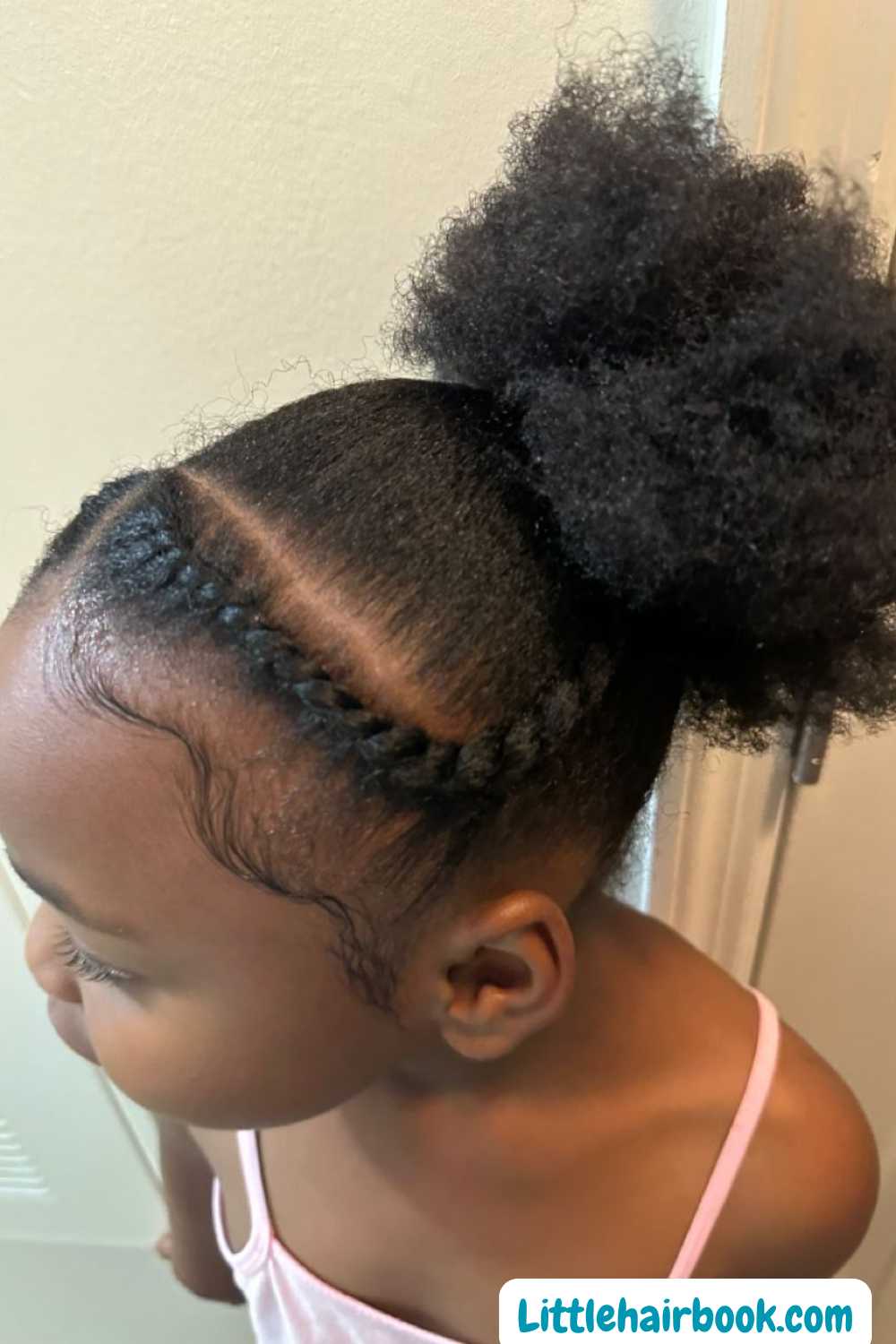
Healthy edges should look full and even. You should also notice small baby hairs growing naturally around the hairline. There should be no obvious bald patches or thinning around the temples.
If you notice your child’s edges becoming thinner, act as soon as possible.
Avoid hairstyles that pull tightly on the hairline. Instead, choose loose, protective styles that place little or no tension on the edges.
You can also massage the area gently with a lightweight oil to encourage healthy blood flow. Keep the hairline moisturized and handle it with extra care during styling.
When caught early, traction damage often improves with consistent, gentle care. However, the longer it continues, the more difficult it becomes to reverse.
Checking your child’s edges every week makes it easier to spot changes before they become serious.
Bookmark this post: How to Brush Children’s Hair
10. Your Child Is Comfortable During Hair Time
Many parents overlook this sign, but it is one of the most important.
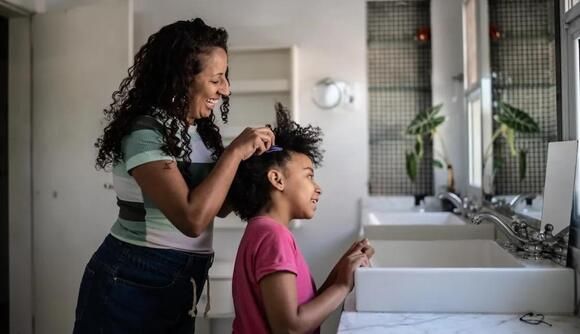
A child who sits comfortably during wash day is often a sign that their hair is healthy and being handled correctly.
Healthy, moisturized hair is much easier to detangle. The comb glides through the hair with less resistance, and knots loosen more easily. As a result, hair sessions become quicker and far less stressful.
If your child cries during every detangling session, pay attention to that feedback.
The hair may need more moisture before detangling. Your comb or brush may not be the best choice. You may also need to work in smaller sections or adjust your technique.
Hair care should never feel like a battle every single week.
As your child’s hair becomes healthier, wash day usually becomes easier for both of you.
Your child’s comfort is more than a pleasant bonus. It is another sign that your routine, products, and techniques are supporting healthy hair instead of causing unnecessary stress.
If you want to protect your child’s hair from everyday damage, read our guide on how to protect children’s hair, It explains how to reduce breakage and keep hair healthy between wash days.
Final Thoughts
Healthy children’s hair is about much more than length.
Hair that holds moisture, resists breakage, feels soft, has good elasticity, and grows consistently is showing clear signs that your routine is working. A healthy scalp, full edges, long-lasting styles, and comfortable hair sessions are just as important.
Remember that healthy hair doesn’t happen overnight. It develops through consistent care and gentle handling over time.
Instead of focusing only on how long your child’s hair has grown, pay attention to these signs of overall hair health. They give you a much clearer picture of your progress.
Every child has a unique hair journey. Some changes appear quickly, while others take months to become noticeable. Stay consistent, be patient, and celebrate every improvement along the way.
Healthy hair is built one wash day at a time.

