
Healthy hair does not happen by accident. It is not about luck or genetics or having the right hair type. It is about what you do consistently, week after week, with the right products, the right techniques, and the right habits in place.
Some children seem to have naturally thriving hair and when you look closely at what their parents are doing, it is almost always the same things done consistently over time.
The last post we covered on Little Hair Book was why children’s hair stops growing which went deep into all the things that work against hair health and growth. Today we are flipping that around completely and talking about everything you need to do to keep your child’s hair actively healthy. Not just surviving. Actually thriving.
Start With a Clean and Healthy Scalp
Everything starts at the scalp. You cannot have healthy hair growing from an unhealthy scalp any more than you can grow a healthy plant in poor soil.
The scalp is where every strand of hair originates and the condition of the scalp directly determines the quality of the hair it produces.
A healthy scalp is clean, balanced, and well nourished. It is not too oily and not too dry. It does not itch persistently or flake excessively. The skin on the scalp looks healthy when you part the hair and examine it closely.
Keeping the scalp clean means washing regularly enough to remove sweat, product buildup, and excess sebum without washing so frequently that you strip the scalp of its natural oils. For most children, washing every one to two weeks hits that balance well.
Between washes, apply a light oil to the scalp two to three times a week and massage it in with your fingertips. This keeps the scalp from drying out between wash days and stimulates blood circulation which supports healthy follicle function.
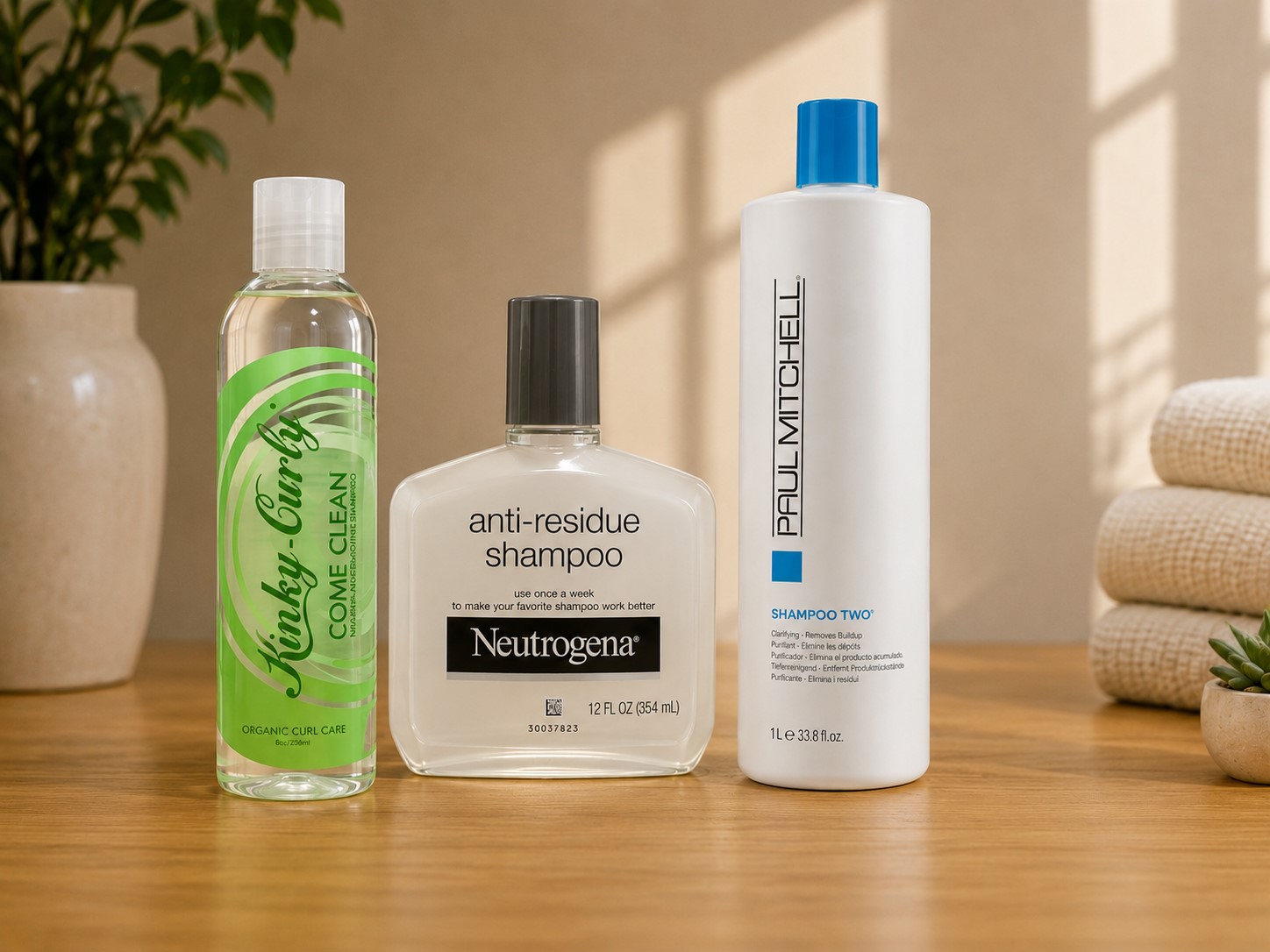
Use a clarifying shampoo once a month to remove the deeper buildup that regular shampoo does not fully address. For guidance on choosing the right shampoo that cleans effectively without damaging the hair, best shampoo for children on Little Hair Book covers all the right options for every hair type.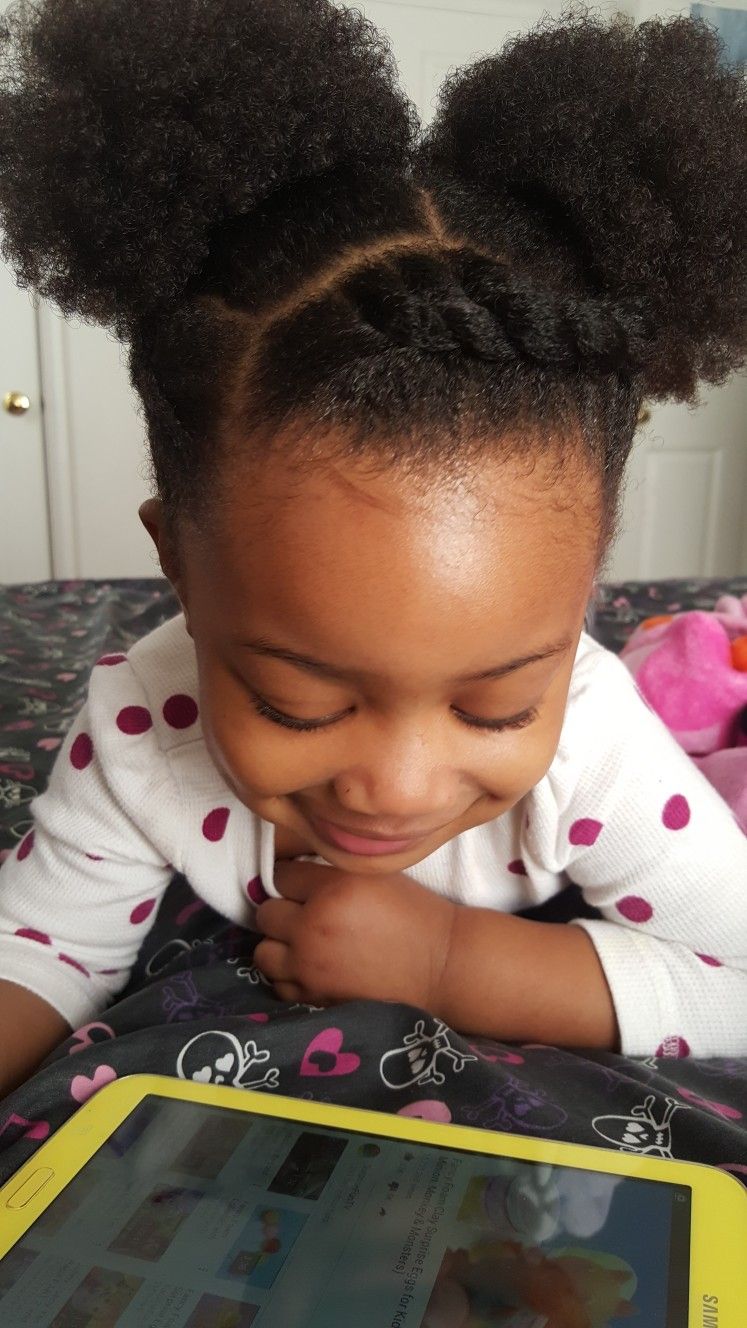
Wash Day Is the Foundation of Hair Health
Getting Every Step Right
Wash day is the most important day in your child’s hair care week. Everything else builds on what happens on wash day. If wash day is done well, the rest of the week is easier and the hair is healthier.
If wash day is rushed or incomplete, the hair spends the rest of the week trying to recover from it.
Here is what a thorough wash day looks like for healthy hair.
Detangle the hair completely before washing. Wet tangles are tighter and harder to remove than dry ones. Starting wash day with already-detangled hair means the whole process goes smoother and causes less breakage.
Apply a pre-poo treatment the night before or at least thirty minutes before washing. A generous application of oil to the hair before shampooing protects it from losing too much moisture during the cleansing process.
Shampoo the scalp thoroughly but gently. Focus on the scalp where the actual dirt, sweat, and buildup lives. Let the lather rinse down through the hair rather than scrubbing the ends aggressively.
Deep condition without exception. Apply generously, cover with a plastic cap, and leave on for at least fifteen to thirty minutes. This step is what separates hair that thrives from hair that merely survives.
Moisturize and seal immediately after rinsing. Apply leave-in conditioner to damp hair, follow with oil, and finish with cream for natural and curly hair types. Style into a protective style before the hair dries completely.
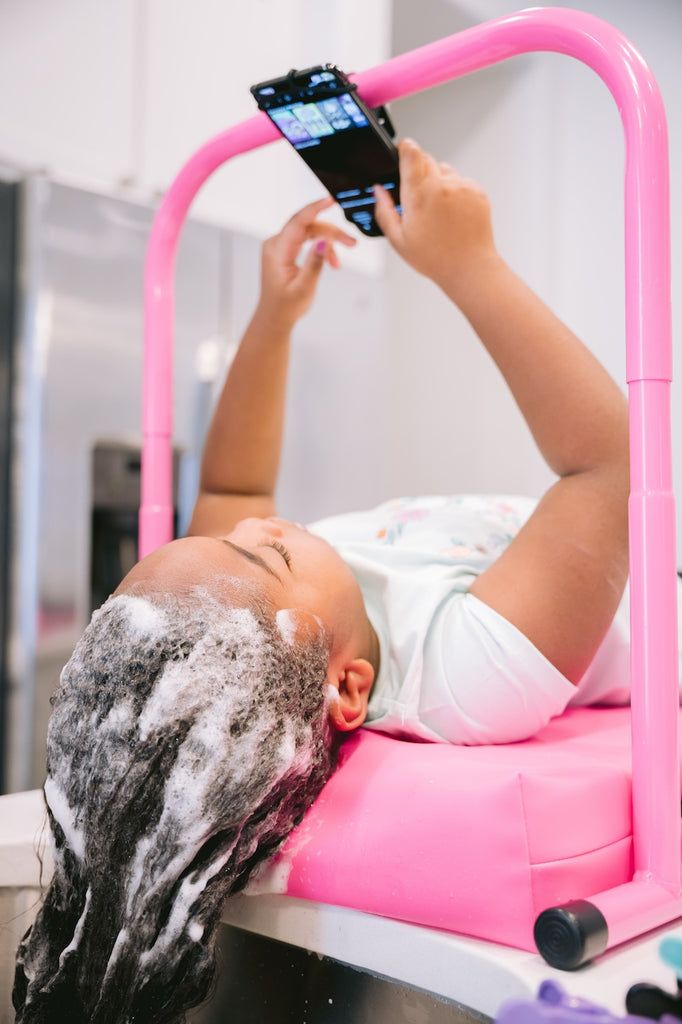
Deep Conditioning Is Non-Negotiable
If there is one thing that makes the most visible difference in children’s hair health over time, it is consistent deep conditioning.
Parents who deep condition every single wash day without fail consistently report the most dramatic improvements in their child’s hair texture, strength, and length retention.
Deep conditioning works because it goes beyond the surface of the hair. Regular rinse-out conditioner smooths the cuticle and adds surface softness.
Deep conditioner penetrates the hair shaft and works from the inside, replenishing moisture and strength at a structural level.
For natural and curly hair, deep condition every wash day. For straight and wavy hair, deep condition at least every two weeks. There is no hair type that does not benefit from regular deep conditioning.
Choose a deep conditioner with nourishing ingredients like shea butter, coconut oil, avocado, honey, or proteins. Avoid ones with heavy silicones that build up and eventually block moisture from getting in.
For the best deep conditioning products for children, best conditioner for kids on Little Hair Book covers everything from what to look for to specific product recommendations for every hair type.
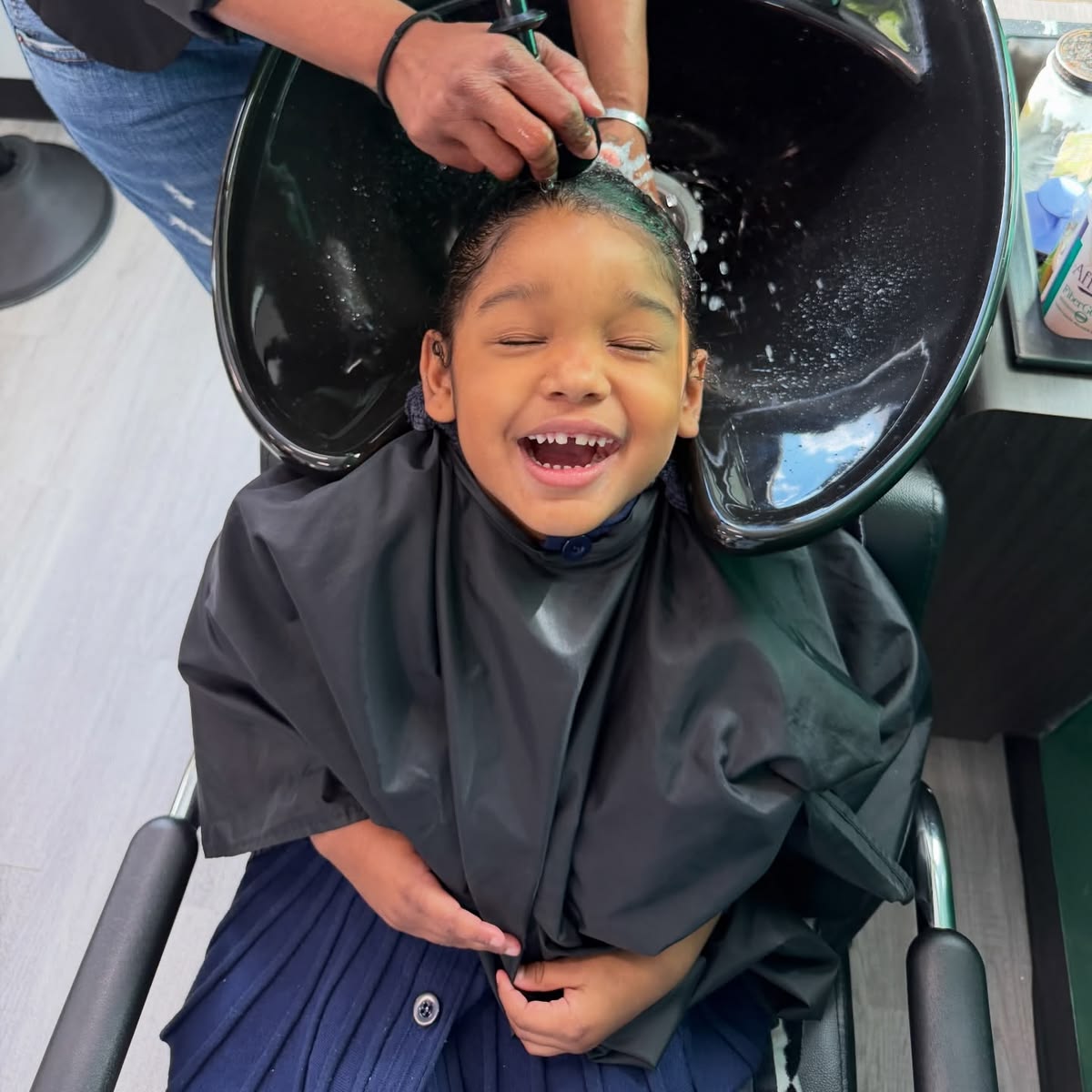
Moisture Every Day Keeps Breakage Away
The Daily Habit That Changes Everything
Healthy hair is moisturized hair and moisturized hair requires daily or near-daily attention, not just attention on wash day.
The hair loses moisture every single day through exposure to air, sun, wind, friction, and heat. Without regular replenishment, that moisture deficit accumulates and shows up as dryness, brittleness, and breakage.
The daily moisture routine does not have to be complicated or time-consuming. On most days, it is as simple as misting the hair lightly with water and applying a small amount of leave-in conditioner or hair cream to any sections that feel dry.
That five-minute refresh is what keeps the hair hydrated and healthy between wash days.
On days when the hair needs more than a quick refresh, do a more thorough moisture application. Mist generously, apply leave-in conditioner section by section, seal with oil, and follow with cream for natural and curly hair.
This fuller moisturizing session takes fifteen to twenty minutes and is worth doing whenever the hair is feeling particularly dry or rough.
The key is paying attention to what the hair is telling you. If it feels soft and looks healthy, a light refresh is enough. If it feels rough, looks dull, or breaks when you touch it, it needs a more thorough moisture session right away.
You will love this: How to Moisturize Children’s Hair
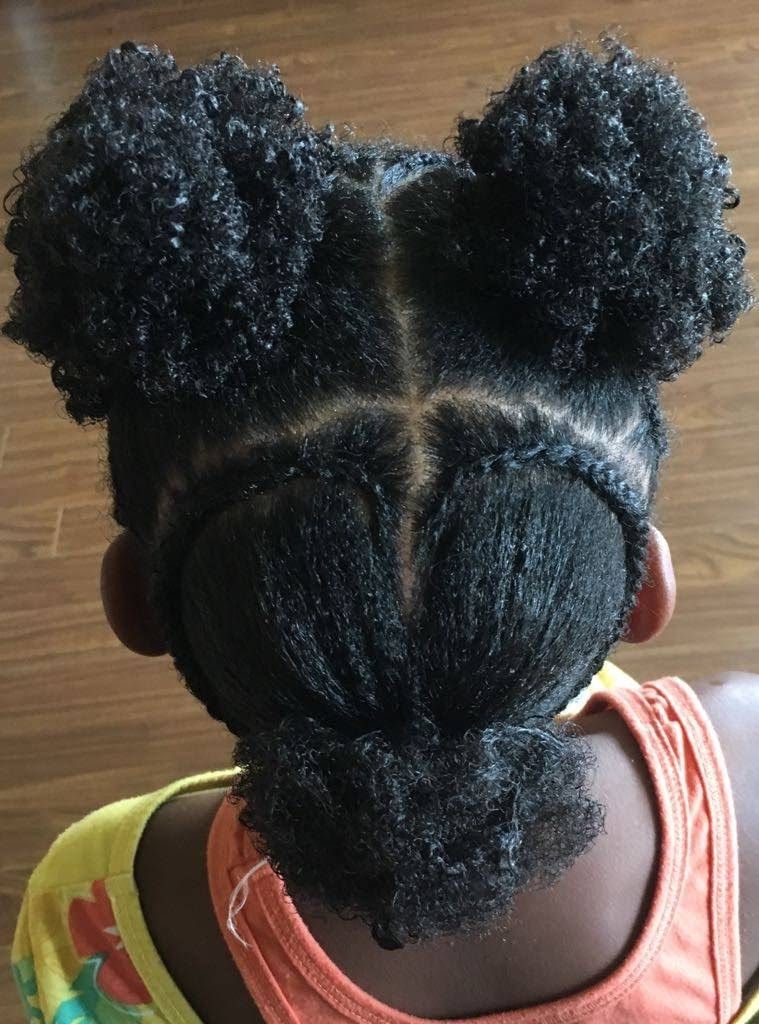
Protective Styles Preserve Hair Health
Protective styles are not just about looking neat. They are one of the most effective tools for keeping children’s hair healthy over time.
When the hair is in a protective style, the ends are tucked away and safe from daily friction and manipulation. The hair is not being styled and restyled daily which means the breakage from daily manipulation is dramatically reduced.
For children with natural and curly hair especially, spending the majority of the time in protective styles rather than loose styles makes a very visible difference in hair health and length retention over months of consistent practice.
Choose protective styles that are gentle on the hairline. Avoid styles that pull too tightly on the edges or require the hair to be stretched so far that there is visible tension at the roots.
A good protective style should feel comfortable immediately after it is done and should still feel comfortable three days later.
Keep the hair moisturized even while it is in a protective style. Mist the style lightly with water every few days and apply a light oil to the scalp. The hair underneath the style still needs moisture even though it is not exposed.
For more on building a complete growth-focused routine around protective styling and everything else, children’s hair growth routine on Little Hair Book maps it all out clearly.

Trim Regularly to Keep the Hair Healthy
Trimming is the hair health habit that parents procrastinate on most. It feels counterproductive to cut the hair when you are trying to grow it and keep it healthy. But leaving split and damaged ends on the hair is far more damaging than trimming them.
Split ends weaken the entire strand from the point of the split upward. The longer they are left, the further the split travels up the shaft, causing more and more of the hair to become damaged and prone to breakage.
By the time you trim damaged ends that have been neglected for months, you are removing significantly more length than you would have if you had trimmed regularly.
Trim every six to eight weeks. You do not need to take off much. Sometimes just a quarter inch is enough to remove the damage and keep the ends healthy.
Trim on clean, stretched or straightened hair using proper hair cutting scissors so you can see and cut the ends clearly and precisely.
Make trimming a scheduled appointment on your calendar rather than something you do whenever you get around to it. Regular trimming keeps the ends healthy and prevents the kind of damage that travels up the shaft and costs significant length over time.
Choose the Right Products for Lasting Hair Health
The products you use on your child’s hair either support its health or work against it. There is no neutral. A shampoo with harsh sulfates actively damages the hair every wash day.
A leave-in conditioner with heavy silicones blocks moisture over time. A styling cream with mineral oil creates buildup that clogs the scalp. These are not minor issues, they compound over weeks and months into significant hair health problems.
On the other hand, products with the right ingredients actively contribute to hair health every time they are used. A gentle sulfate-free shampoo cleans without stripping.
A water-based leave-in adds real moisture. A lightweight sealing oil locks that moisture in without buildup. A cream with shea butter and natural oils nourishes and protects.
Take the time to read the ingredient lists of everything you put on your child’s hair. Avoid sulfates, parabens, mineral oil, petrolatum, heavy silicones, and drying alcohols. Look for water, glycerin, aloe vera, natural oils, and gentle conditioning agents.
Keeping the product lineup simple also helps. You do not need ten products to maintain healthy hair. A good shampoo, deep conditioner, leave-in conditioner, oil, and cream is enough for most children.
For more on choosing the right oils to support hair health as part of that simple lineup, best hair oils for kids on Little Hair Book covers all the best options for every hair type.
Handle the Hair Gently Every Single Time
Why Technique Matters as Much as Products
Healthy hair can become unhealthy hair very quickly when it is handled roughly. The technique you use when washing, detangling, styling, and drying the hair determines how much breakage happens during each of those processes.
Gentle handling means always detangling from ends to roots. It means holding the hair above where you are combing so the scalp does not feel the tension.
Work in small sections instead of trying to comb all the hair at once. Never drag a comb through dry hair without applying a moisturizing product first.
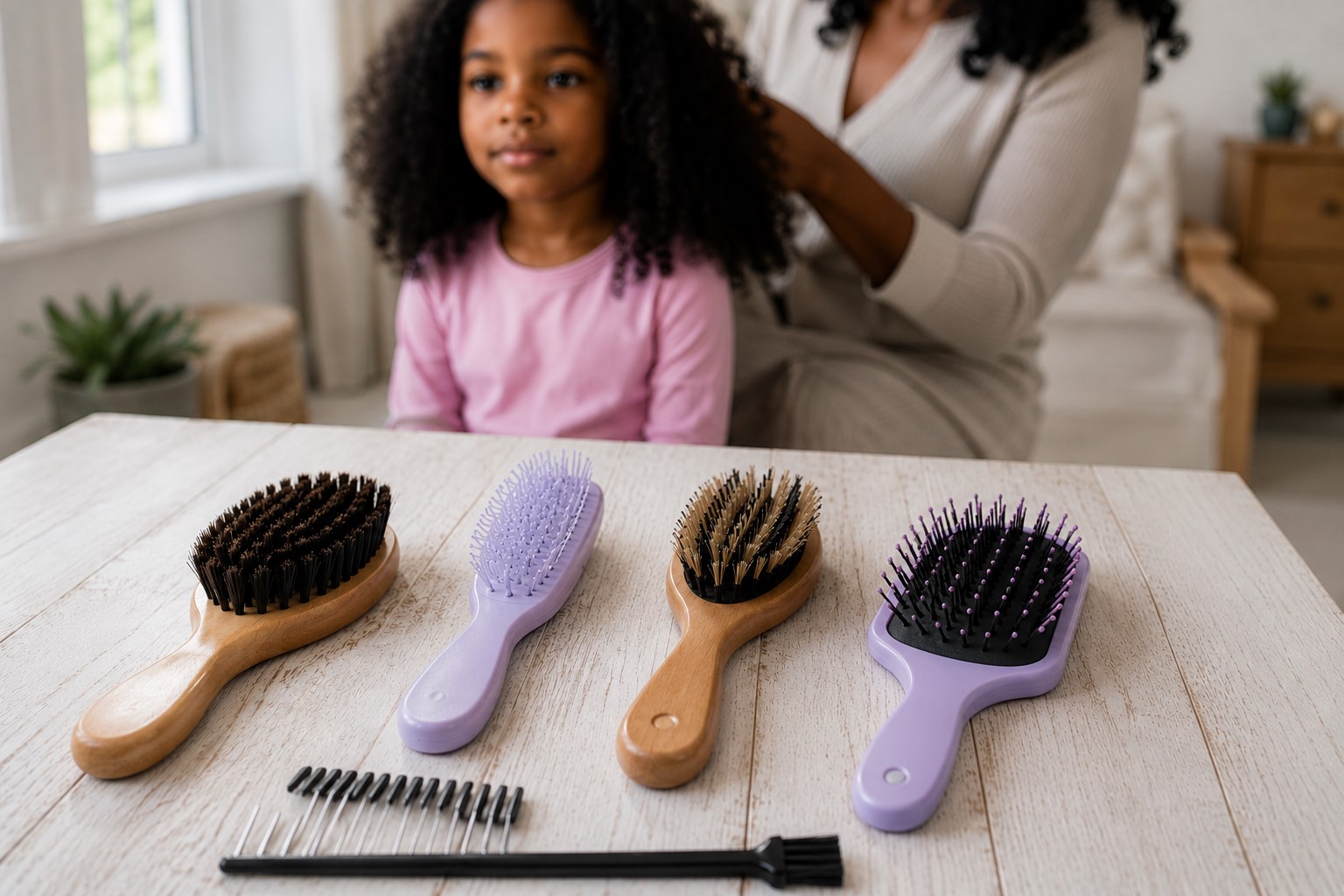
It also means using the right tools. A wide-tooth comb for detangling. A soft bristle brush for edges. A microfiber towel or cotton t-shirt for drying rather than a rough regular towel.
The right tools used gently cause a fraction of the breakage that the wrong tools used roughly cause.
Make gentle handling a non-negotiable standard for every single hair session regardless of how much time you have. Rushing through a hair session causes more breakage than all of the other mistakes put together.
If you genuinely do not have time to handle the hair gently, do less but do it well. A quick gentle refresh is always better than a thorough rough session.
For more specific guidance on the right brushes and combs to use for gentle handling of your child’s specific hair type, choosing the right hair brush for your child on Little Hair Book helps you make sure every tool in your routine is working for the hair rather than against it.
Protect the Hair at Night Consistently
Nighttime hair protection is one of the simplest and most impactful things you can do for your child’s hair health. Yet it is also one of the most commonly skipped habits, usually because by bedtime everyone is tired and it feels like one more thing to do.
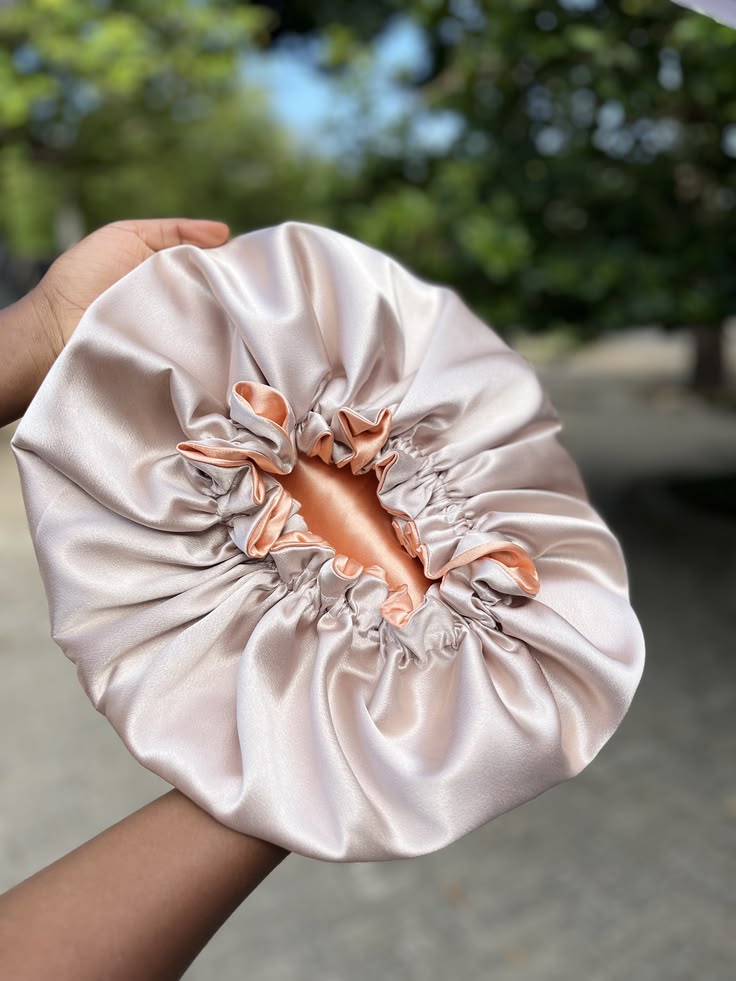
A satin bonnet or satin pillowcase is the most important nighttime tool. It prevents the friction that cotton causes against the hair during sleep and it stops the moisture from being absorbed by the pillowcase overnight.
The result is hair that wakes up in significantly better condition than hair that sleeps on cotton without any protection.
Put the hair in a loose protective style before bed every night. A loose braid, two twists, or a pineapple for children with curly or natural hair takes two minutes and keeps the hair contained and protected through the night.
Make nighttime hair protection part of the bedtime routine starting as young as possible. Children who have always worn a bonnet to bed do not resist it the way children who are introduced to it later tend to. Start young, stay consistent, and the habit forms naturally over time.
For more on recognising the signs that all these healthy hair habits are actually working and your child’s hair is truly healthy, signs of healthy children’s hair on Little Hair Book gives you a clear picture of what healthy hair looks and feels like so you know your efforts are paying off.
Feed the Hair From the Inside
Hair health is not purely about external care. What your child eats and drinks plays a direct role in how healthy their hair is and how well it grows.
Protein is the building block of hair. Without enough protein in the diet, the hair becomes weak and prone to breakage from the very root. Make sure your child is eating protein at every meal.
Iron, zinc, biotin, and omega-3 fatty acids all support healthy hair growth and scalp health from the inside. A balanced diet with plenty of lean protein, leafy greens, nuts, seeds, and fish covers most of these nutritional needs naturally without supplementation.
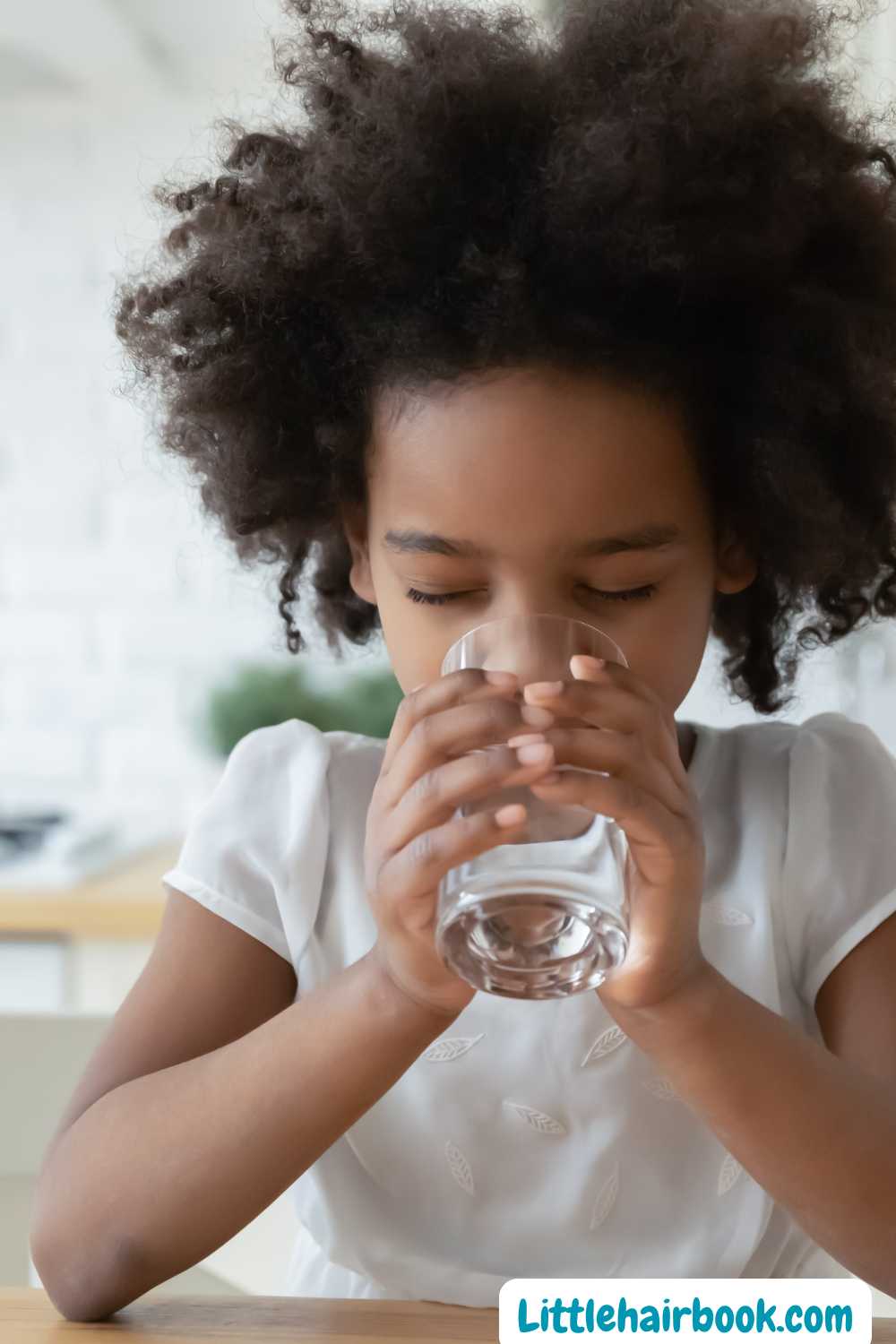
Water is just as important as food. A well-hydrated child has a healthier scalp and produces stronger hair than a dehydrated one. Make water the primary drink in your child’s diet and encourage regular hydration throughout the day.
If you suspect nutritional deficiencies may be affecting your child’s hair health despite a generally healthy diet, speak to a doctor before adding any supplements.
Blood tests can identify specific deficiencies and a doctor can recommend the right approach to addressing them safely for your child’s age and size.
Consistency Ties Everything Together
Every single thing we have covered in this post works. A clean scalp, thorough wash days, deep conditioning, daily moisture, protective styles, regular trims, the right products, gentle handling, nighttime protection, and good nutrition.
All of it contributes to hair that is genuinely healthy rather than just appearing healthy on good days.
But none of it works without consistency. Occasional good hair care days surrounded by neglect will not produce healthy hair. A thorough routine followed most of the time with grace for the days when life gets in the way absolutely will.
Show up for your child’s hair consistently. Adjust and improve as you learn. Pay attention to what the hair responds well to and what it does not. And trust that the effort you are putting in today is building the foundation for hair that thrives not just now but for years to come.

