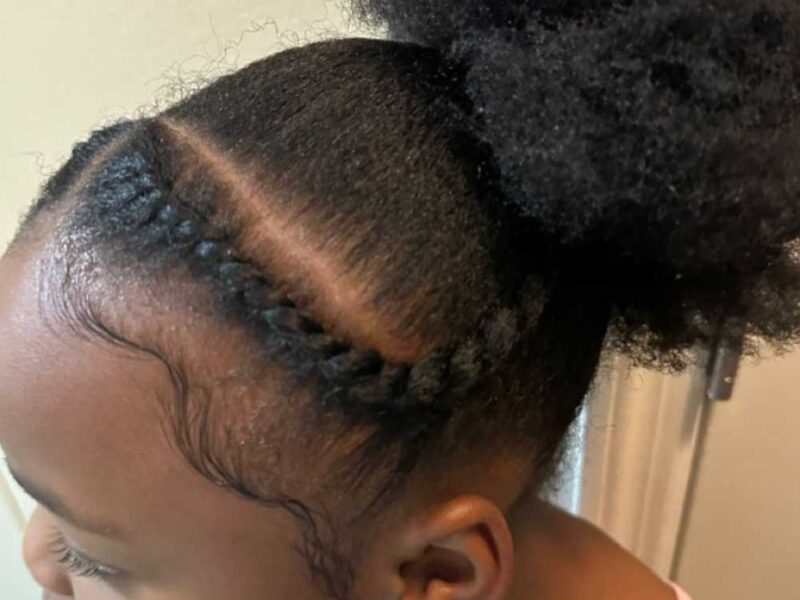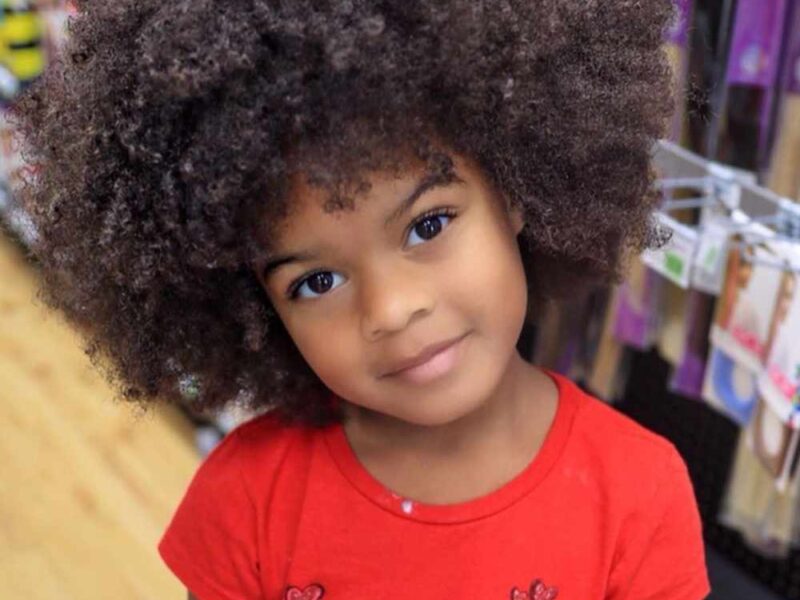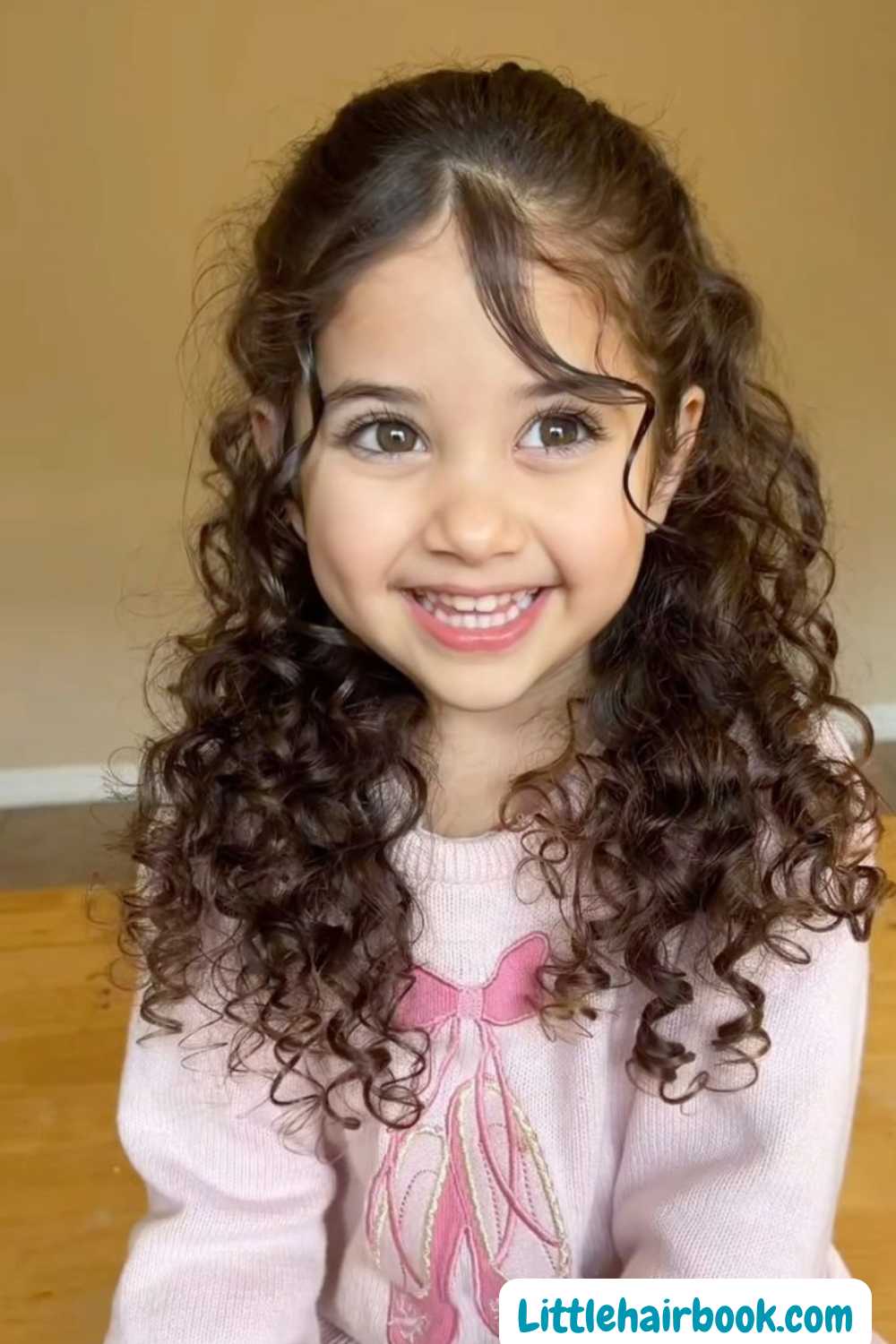
Curly hair is honestly one of the most beautiful hair types there is. Those bouncy ringlets, the volume, the way it moves. But if you have a child with curly hair, you already know that it comes with its own set of challenges.
Frizz, shrinkage, dryness, tangles that seem to appear out of nowhere. It can feel like no matter what you do, the curls just will not cooperate.
The thing is, curly hair is not difficult, it is just different. It has needs that are different from straight hair and once you understand what those needs are and how to meet them, everything changes.
The frizz reduces, the curls define themselves. The hair feels softer and looks healthier and styling becomes something you actually enjoy instead of dread.
We just wrapped up the post on combing, and if you missed it, how to comb children’s hair without tears is worth going back to because combing curly hair correctly is one of the most important skills you will need.
Today though, we are looking at the bigger picture of curly hair care. What curly hair needs, how to wash it, how to moisturize it, how to style it, and how to keep those curls looking their best all week long.
Understanding What Makes Curly Hair Different
Curly hair behaves differently from straight hair because of its actual shape. Each strand grows out of the scalp in a curved follicle, which is what creates the curl.
That curved shape also means the scalp’s natural oils have a harder time traveling down the hair shaft.
With straight hair, the oils slide down easily and keep the hair naturally moisturized. With curly hair, those oils get stuck at the roots.
The rest of the hair, especially the ends, stays dry unless you are actively adding moisture to it.
This is why moisture is the number one priority for curly hair. Everything else, the products, the techniques, the styling, all of it is built around getting moisture into the hair and keeping it there.
Save this post: Children’s Hair Care Routine
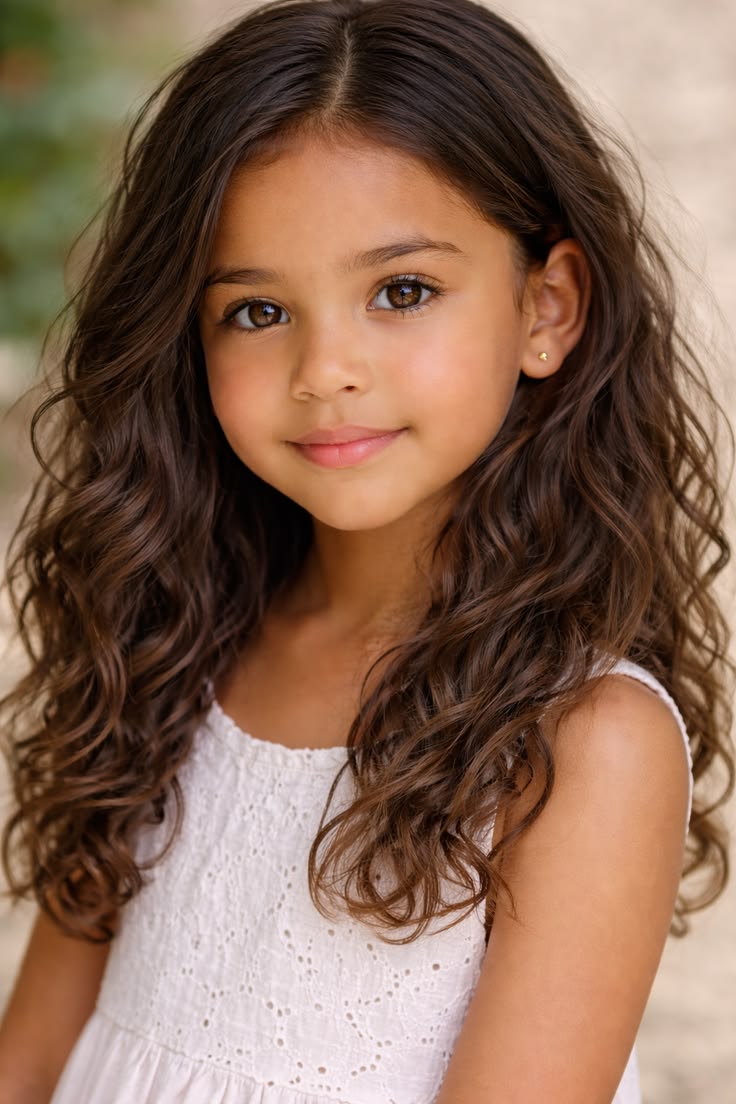
Identifying Your Child’s Curl Type
Not all curly hair is the same. Knowing your child’s curl type helps you choose the right products and techniques.
Type 2 Wavy hair: This hair has a gentle S-shape wave pattern. It is not tightly curled but it is not straight either. It tends to get frizzy and can feel weighed down easily by heavy products.
Type 3A Loose curls: These are big, bouncy ringlets. They are well defined and springy. This hair type responds well to lightweight creams and gels.
Type 3B Medium curls: Tighter than 3A with more volume. These curls need more moisture than looser curl types and benefit from richer creams.
Type 3C Tight curls: Very tight, densely packed curls with significant shrinkage. This type needs regular deep conditioning and generous amounts of moisturizing products.
Your child may have more than one curl type on their head and that is completely normal. The back might be tighter than the front, or the sides might be looser than the top.
Treat each section according to what it needs rather than using one approach for the whole head.
Bookmark this post: How to Brush Children’s Hair
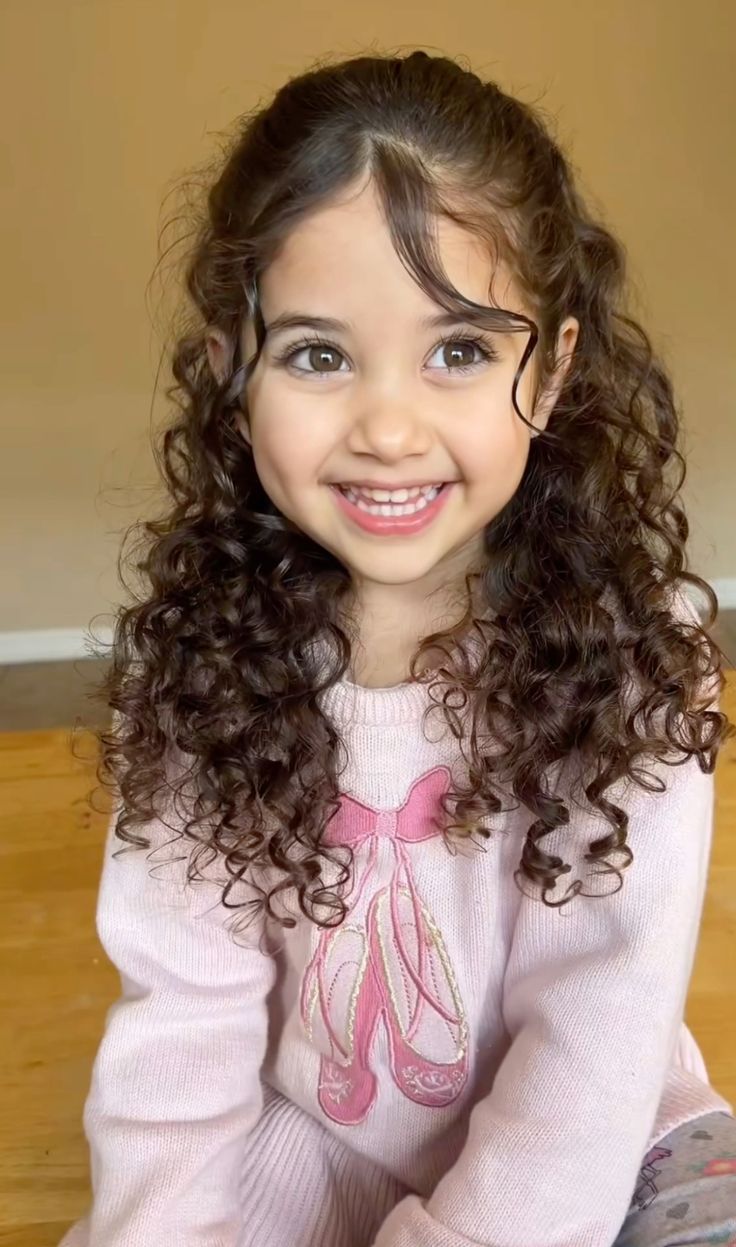
How to Wash Curly Hair Without Ruining the Curl Pattern
Wash day for curly hair needs a little more thought than wash day for straight hair. The way you handle curly hair when it is wet determines how well the curls define themselves afterward.
First, always detangle before washing. We have said this across several posts now but it is especially important for curly hair.
Wet tangles in curly hair are significantly harder to remove than dry ones. Spend time finger detangling and combing through the hair before it gets wet and your wash day will go so much smoother.
When wetting the hair, let the water run over it without scrunching or bunching it up. Try to keep the curl pattern as intact as possible even during wetting.
Apply shampoo to the scalp only and massage gently with your fingertips. Do not pile the hair on top of the head and scrub.
That disrupts the curl pattern and creates tangles that are very hard to get out. Let the shampoo rinse down through the curls as you rinse out.
For very curly or dry hair types, consider co-washing between shampoo washes. Co-washing means washing with conditioner only, no shampoo.
It cleanses the hair gently without stripping the moisture that curly hair desperately needs. You can shampoo every two weeks and co-wash in between.
For a full breakdown of how to handle wash day from start to finish, how to wash children’s hair properly on Little Hair Book covers every step in detail.
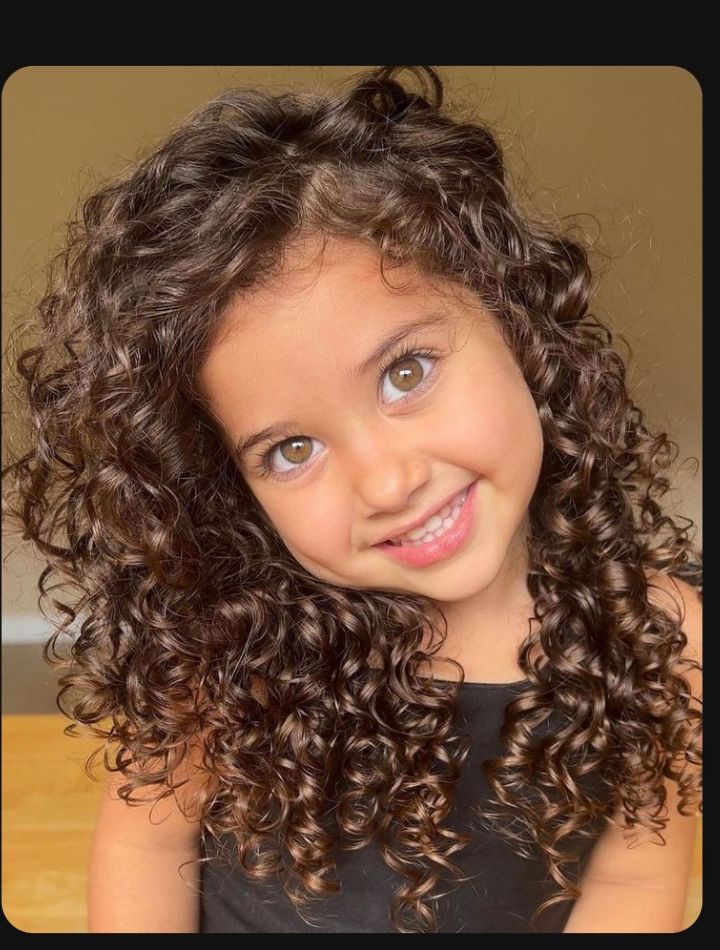
Deep Conditioning Is Non-Negotiable for Curly Hair
Why Curly Hair Needs Deep Conditioning Every Single Week
If there is one step that makes the biggest difference for curly hair, it is deep conditioning. Not regular conditioning but deep conditioning.
A deep conditioner penetrates the hair shaft and replenishes moisture from the inside out. It makes the hair softer, stronger, and more defined. For curly hair, skipping this step shows up very quickly as dryness, frizz, and limp undefined curls.
Apply deep conditioner generously after shampooing. Work it through the hair in sections, making sure every curl is coated.
Put a plastic cap on and leave it for at least twenty to thirty minutes. The heat trapped under the cap helps the conditioner penetrate deeper into the hair shaft.
If you have a hooded dryer, use it during the deep conditioning process. The added heat makes the conditioner work even better.
If you do not have one, sitting your child in a warm bathroom or wrapping a warm towel around the plastic cap works too.
Rinse the deep conditioner out with cool water. Cool water closes the hair cuticle which seals in the moisture you just added and makes the curls look more defined and shiny.
Pin this post: Daily Hair Care for Kids
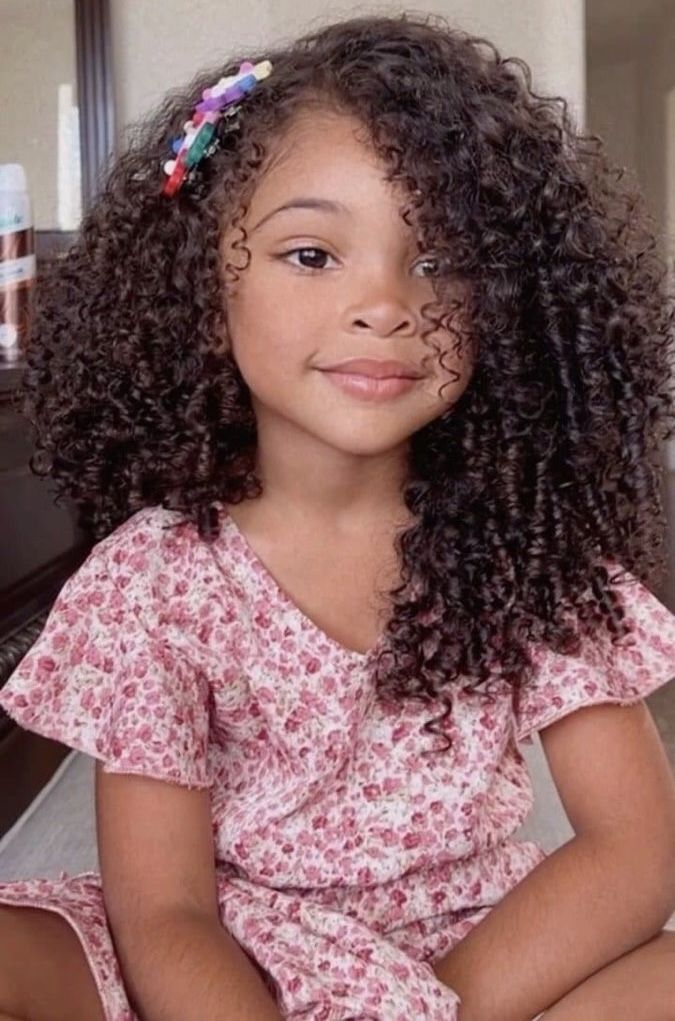
Moisturizing Curly Hair the Right Way
After wash day, moisturizing is what keeps the curls looking good all week. Curly hair needs moisture added back regularly because it loses it faster than straight hair does.
The LOC method works beautifully for most curly hair types. Liquid first, then oil, then cream. Each layer adds moisture or seals it in.
Start with a water-based leave-in conditioner applied to damp hair. This is your liquid layer and it is the actual moisture going into the hair. Work it through the curls gently with your fingers.
Follow with a light oil to seal in that moisture. Jojoba oil, argan oil, or sweet almond oil all work well for curly hair without weighing it down. Apply a small amount and smooth it over the curls.
Finish with a curl cream or styling cream to define the curls and seal everything in. Smooth it over each section and scrunch upward to encourage the curl pattern.
For a full guide on moisturizing technique and products, how to moisturize children’s hair on Little Hair Book goes into all of it in depth.
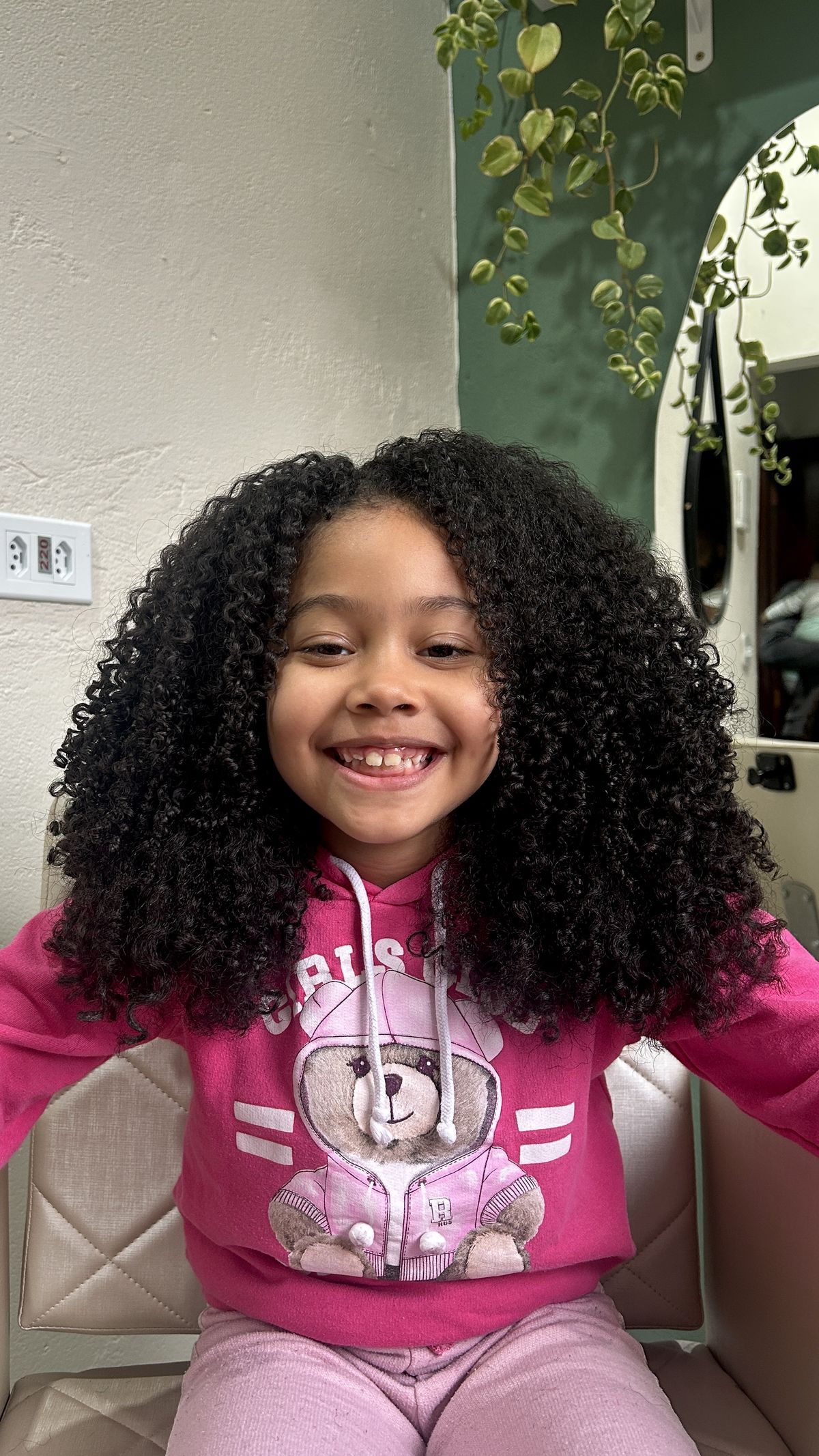
How to Style Curly Hair Without Frizz
The Techniques That Actually Work
Frizz is the thing curly hair parents complain about most and honestly, most frizz comes down to two things. Lack of moisture and too much manipulation.
When curly hair is well moisturized and handled gently, frizz reduces significantly on its own. But there are also some specific styling techniques that help.
Scrunch, do not rub: When applying products to curly hair, scrunch them in from the ends upward. This encourages the natural curl pattern instead of disrupting it.
Rubbing products in or smoothing them downward stretches the curl out and causes frizz.
Use the praying hands method: Smooth a product between your palms and then glide your hands down a section of hair with the hair sandwiched between them. This applies the product smoothly without disrupting the curls.
Apply products to soaking wet hair: For curly hair, products work best when applied immediately after washing while the hair is still dripping wet.
Do not wait for the hair to dry before adding your leave-in and curl cream. The moisture in the hair helps the products distribute evenly and the curls define better.
Do not touch the hair while it dries: Once you have applied your products and scrunched the curls, leave the hair alone while it dries.
Every time you touch drying curly hair, you are breaking up the curl clumps and introducing frizz. Let it dry completely before touching it.
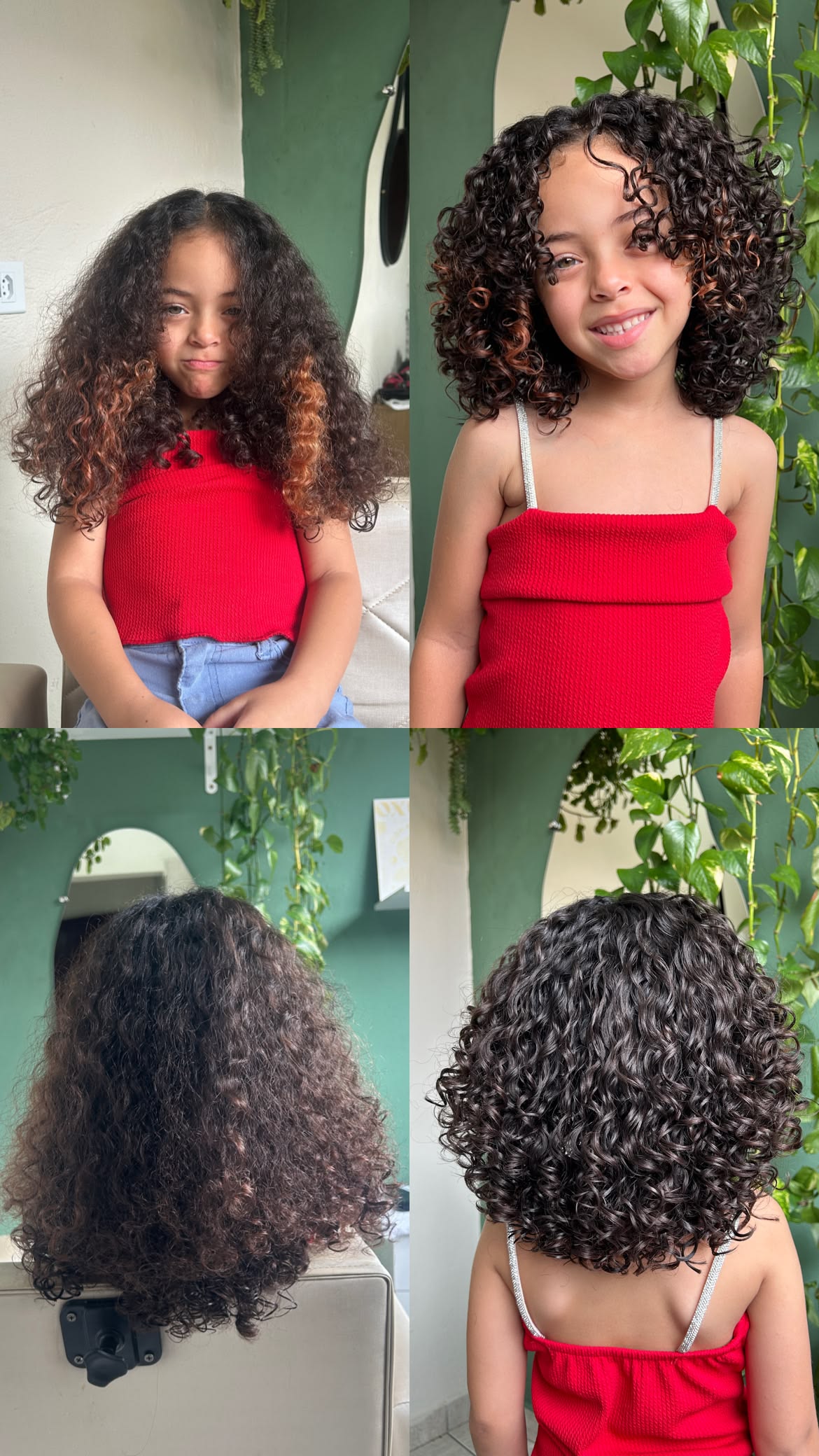
Diffusing vs Air Drying Curly Hair
Both options work for curly hair and each has its benefits.
Air drying is the gentlest option. It causes the least disruption to the curl pattern and requires no heat. The downside is that it takes longer, especially for thick curly hair.
If time allows, air drying is always the better choice for maintaining curl health long term.
Diffusing uses a hair dryer with a diffuser attachment. The diffuser distributes the heat evenly without blowing the curls around, which preserves the curl pattern while drying the hair faster.
Use the lowest heat setting and the lowest speed setting. Hold the diffuser under sections of hair and let the curls sit in the cup of the diffuser rather than blowing air directly at them.
Never use a regular hair dryer without a diffuser on curly hair. The direct airflow blows the curls apart and causes significant frizz.
See our readers’ favorites: How to Care for Natural Children’s Hair
Protective Styles for Curly Hair
Protective styles are just as important for curly hair as they are for natural coily hair.
Leaving curly hair loose all the time means it is constantly exposed to friction, dry air, and manipulation, all of which dry it out and cause tangles.
Braids, twists, and braid-outs work beautifully for curly hair. A braid-out in particular is a great option because it gives the hair a break from daily manipulation while also giving you a beautiful stretched curl pattern when you take the braids down.
To do a braid-out, moisturize the hair thoroughly after washing and then braid it into several sections while it is still damp.
Let it dry completely in the braids, either overnight or during the day. When you take the braids down, separate each braid gently with your fingers and you will have beautiful defined waves or curls depending on how small you made the braids.
Always make sure the hair is fully dry before taking down any braid-out or twist-out style. Taking it down while the hair is still damp causes frizz and the style will not hold as well.
For guidance on how detangling fits into your protective styling routine for curly hair, how to detangle children’s hair on Little Hair Book walks through all the steps you need.
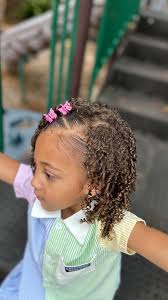
Nighttime Care for Curly Hair
What happens at night has a huge impact on how the curls look the next morning.
Cotton pillowcases absorb moisture from curly hair and cause frizz and flattening while your child sleeps.
Switch to a satin or silk pillowcase. The smooth surface lets the curls move without friction, which means they hold their shape overnight.
A satin bonnet works just as well and is a good option for children who move around a lot in their sleep.
For children with longer curly hair, a pineapple is a great nighttime style. Gather all the hair loosely at the very top of the head and secure it with a soft scrunchie.
The curls pile up on top of the head away from the pillow and in the morning they spring back beautifully with minimal frizz.
Do not use a regular elastic band for the pineapple. Regular elastics pull and break curly hair. Always use a soft fabric scrunchie or a coil hair tie.
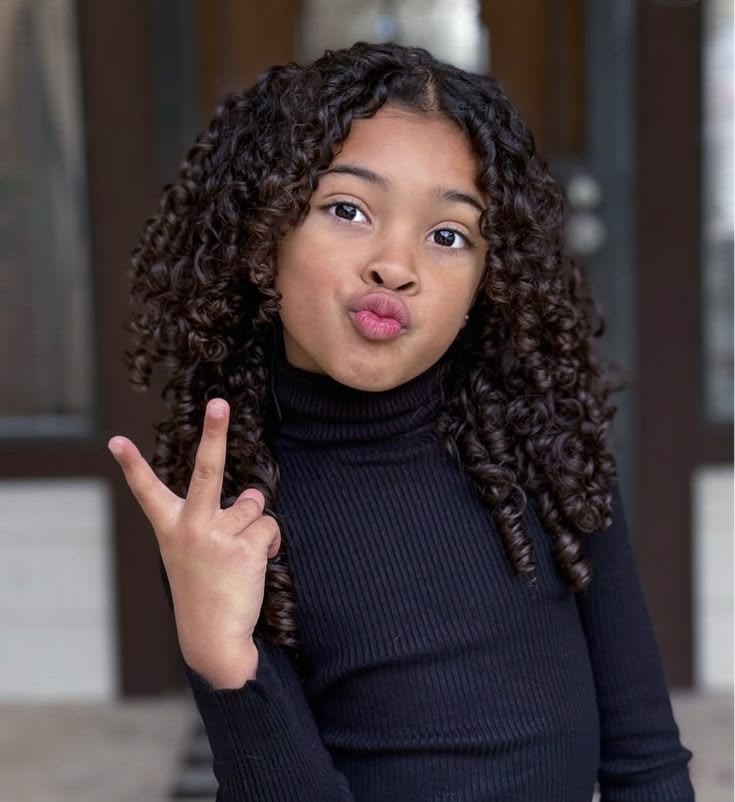
Refreshing Curly Hair Between Wash Days
Curly hair rarely looks exactly the same on day two as it did on day one. The curls flatten slightly, some frizz appears, and the definition is not quite as sharp.
This is completely normal and it does not mean you need to wash and start over.
A simple refresh can bring the curls back to life in just a few minutes.
Mist the hair lightly with water. Not so much that it is soaking but enough that the curls feel damp again.
Then scrunch in a small amount of leave-in conditioner or a curl refreshing spray. Scrunch upward from the ends and then leave the hair alone to dry again.
Some people add a tiny amount of their original curl cream on top of the leave-in during the refresh. This works well if the curls need more definition.
Just be careful not to add too much product. Building up too many layers of product between washes causes buildup that weighs the curls down.
For more on building the right weekly schedule around your curly hair refresh days and wash days, weekly hair care routine for children on Little Hair Book maps out how to fit everything in across the week.
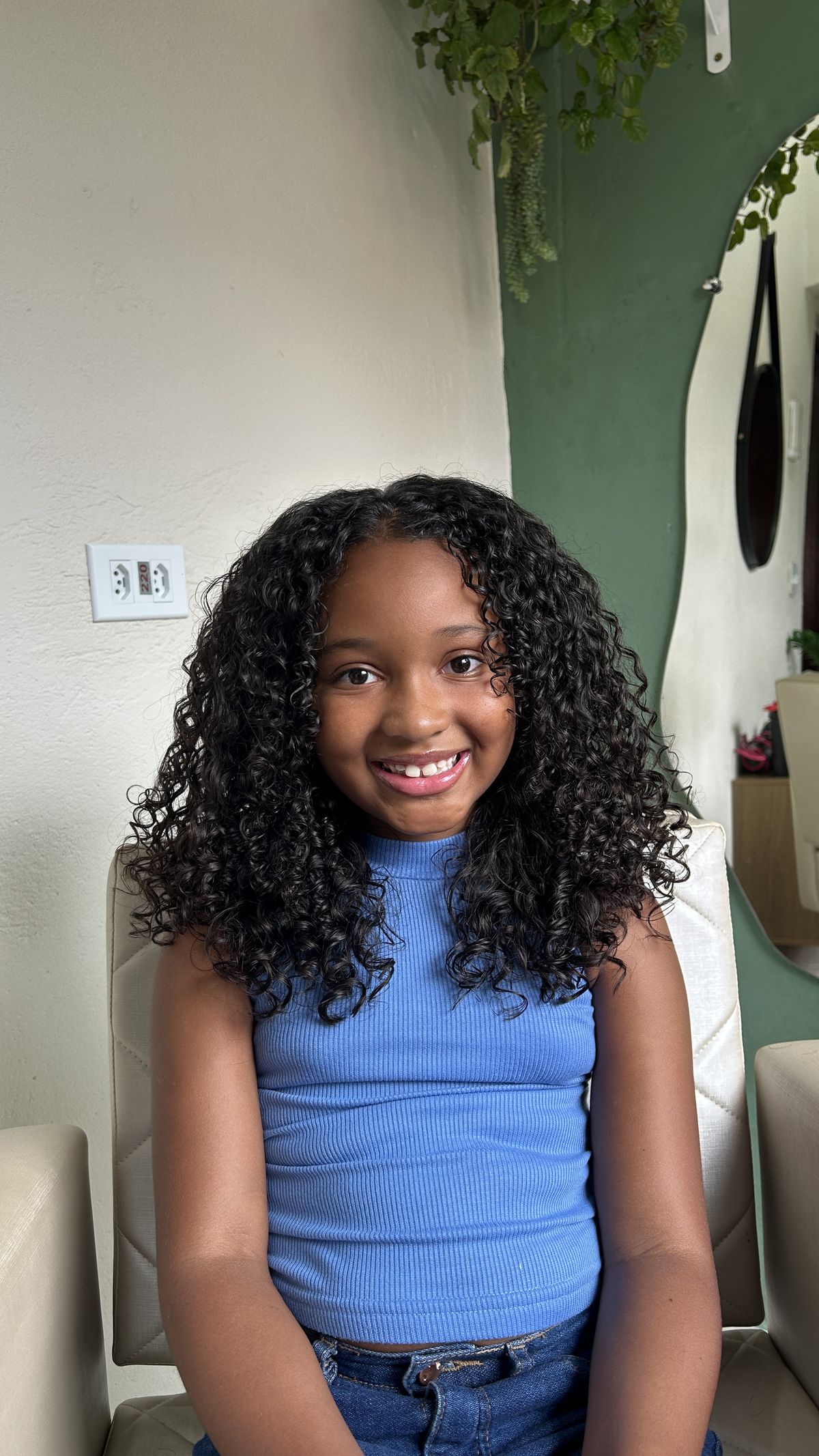
Common Curly Hair Mistakes to Avoid
A few habits can quietly undo all the good work you are putting in. Here are the ones to watch out for.
Using products with sulfates and heavy alcohols: Sulfates strip the moisture from curly hair very aggressively. Heavy alcohols dry it out. Check your product labels and avoid both.
Brushing dry curly hair: This breaks the curl clumps apart and causes frizz. Only brush curly hair when it is wet and loaded with conditioner.
Skipping deep conditioning: Regular conditioner is not enough for curly hair. Deep conditioning every week is what keeps curly hair soft, strong, and defined.
Touching the hair too much while it dries: Every touch introduces frizz. Once products are in, leave the hair alone until it is completely dry.
Using too many products: More products do not equal better curls. Too many layers cause buildup that weighs curls down and makes them look limp. Keep your product lineup simple and focused.
Rough towel drying: Rubbing curly hair with a regular towel disrupts the curl pattern and causes serious frizz. Always use a microfiber towel or an old cotton t-shirt and scrunch gently.
A Final Word on Embracing Your Child’s Curls
Curly hair is worth celebrating. It is unique, it is beautiful, and it is something your child will carry with them their whole life.
The habits you build now around caring for their curls shape how they feel about their hair as they grow up.
When your child sees you treating their curls with care and intention, they learn that their hair is worth taking care of.
They grow up proud of it instead of frustrated by it and that confidence is something no product can give them. Only you can.