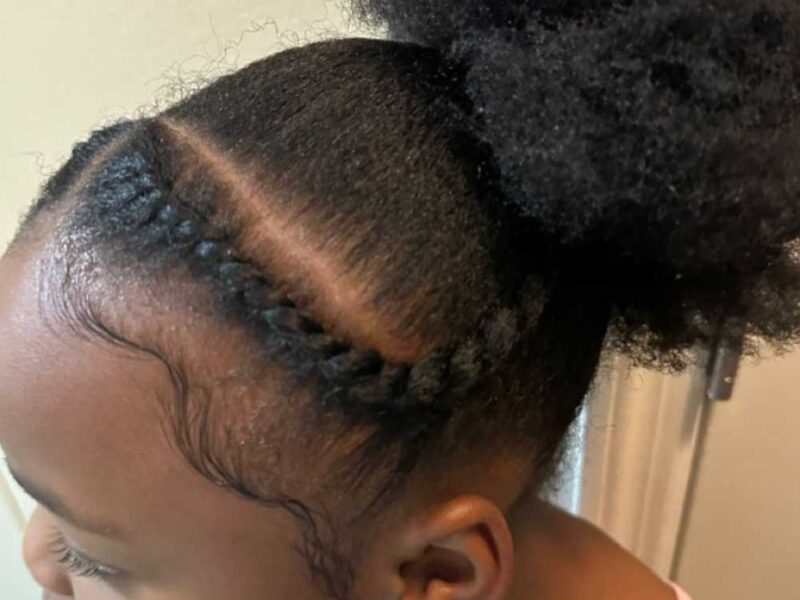
If you are a mom, you already know that wash day can feel like a whole event. I remember the first time I tried to wash my daughter’s hair properly. She screamed like I was doing something terrible to her. I had no idea what I was doing wrong. Over time, I figured it out, and today I want to share everything I know with you.
Washing your child’s hair does not have to be a battle. With the right steps, the right products, and a little patience, it can actually become something your child looks forward to. Yes, really.
If you’re struggling to comb your children’s hair without tears check out How to Comb Children’s Hair Without Tears We coverd simple, effective techniques to make hair care easier and more enjoyable for both you and your child.
So let’s get into it.
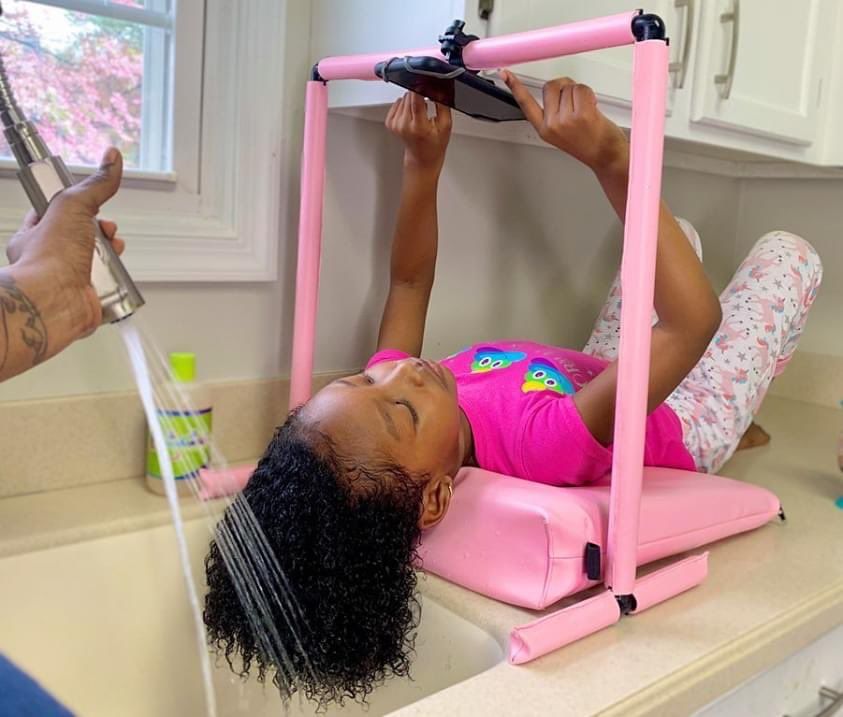
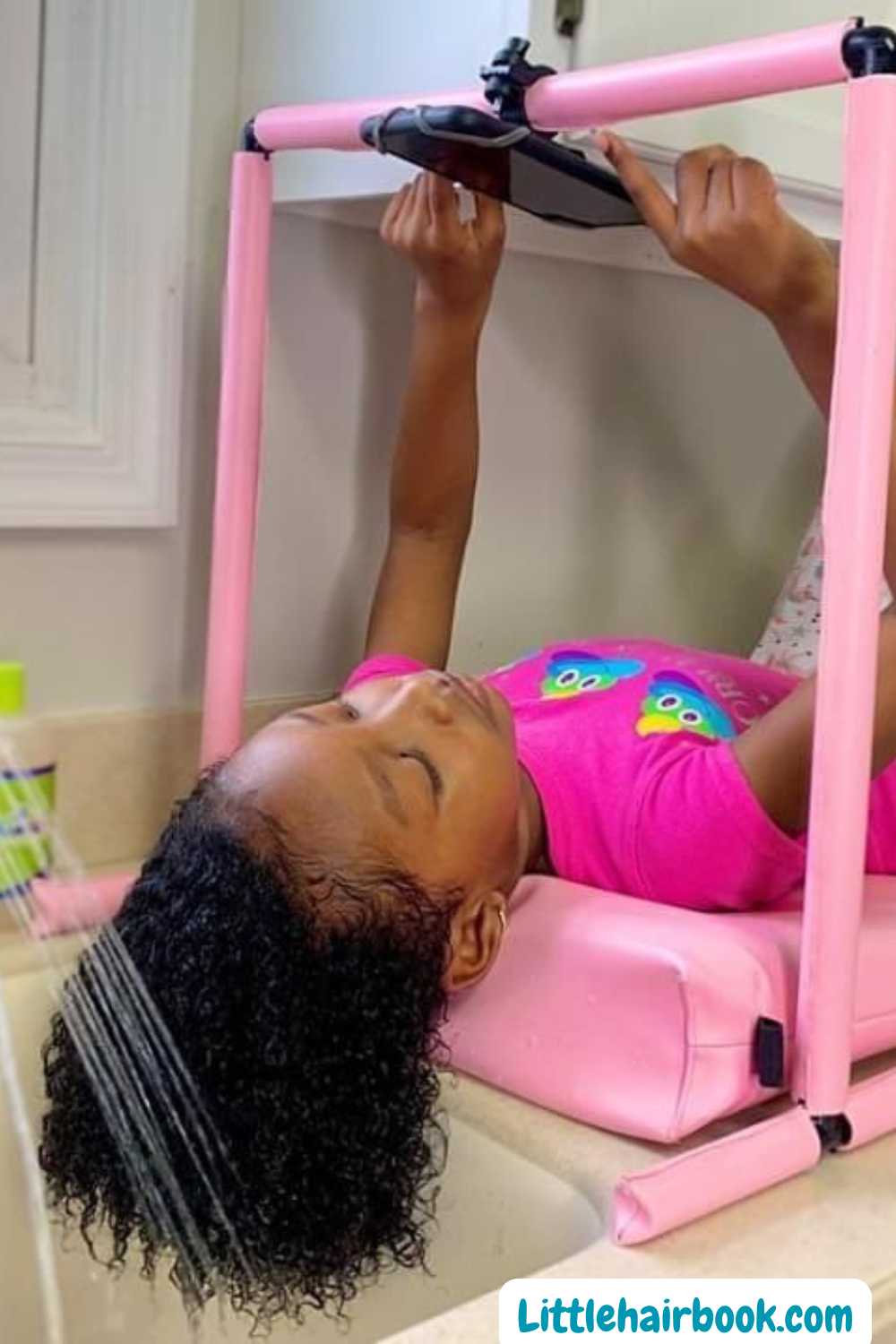
Why Washing Your Child’s Hair the Right Way Matters
A lot of parents just pour water and shampoo and hope for the best. That works sometimes, but it can also lead to dry scalp, product buildup, and a child who cries every single wash day.
When you wash your child’s hair correctly, you are doing more than just cleaning it. You are keeping their scalp healthy. You are reducing breakage. You are also making sure their hair grows well and stays strong.
Also, the way you handle wash day now shapes how your child feels about their hair as they grow up. A painful wash day every week can make a child dread their own hair. But a calm, gentle routine? That builds confidence.
Bookmark this post: Weekly Hair Care Routine for Children
What You Need Before You Start
Before you even turn on the tap, get everything ready. Running around looking for a comb while your child sits with wet hair is not the move.
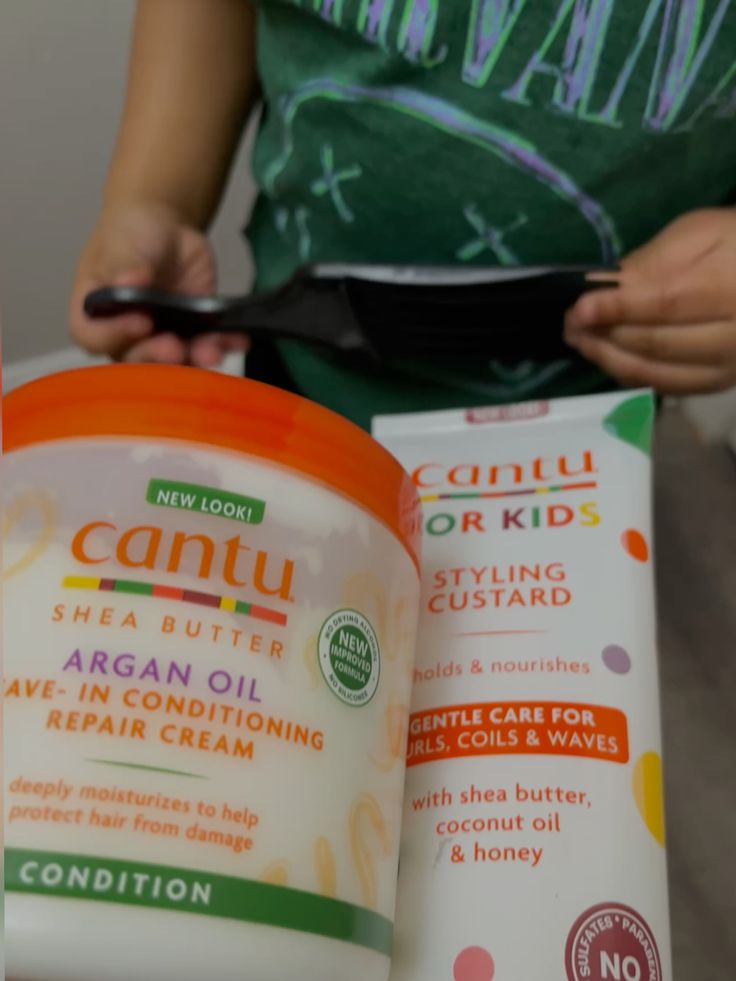
Here is what you need:
A gentle, sulfate-free shampoo: Sulfates are harsh. They strip the hair of its natural oils. For children, especially those with natural or curly hair, this can cause serious dryness. Look for shampoos made specifically for kids.
A moisturizing conditioner: This is not optional. Conditioner helps to soften the hair and makes detangling so much easier after the wash.
A wide-tooth comb: You will need this after washing. Do not try to use a fine-tooth comb on wet hair. That is a recipe for tears.
A spray bottle with water: This helps if you need to dampen sections of the hair before washing.
A soft towel: Rough towels cause frizz and breakage. Use a soft microfiber towel or even an old cotton t-shirt.
Detangling spray or leave-in conditioner: You will use this right after washing to keep moisture in.
Having everything within reach makes the whole process smoother for your child and for you.
How to Prepare Your Child’s Hair for Washing
Do Not Skip the Pre-Wash Step
One mistake many parents make is going straight to washing without prepping the hair first. This especially matters if your child has thick, natural, or curly hair.
Start by gently detangling the hair before it gets wet. Dry hair that is tangled becomes a nightmare when water hits it. The tangles tighten, and trying to comb through them becomes painful for your child.
Use your fingers first. Go section by section and gently loosen the knots with your fingers. Then follow up with a wide-tooth comb, starting from the ends and working your way up to the roots.
If the hair is very tangled, spray a little water or detangling spray to help. Take your time here. Rushing this step will make the whole wash day harder.
You can also apply a little oil like coconut oil or olive oil to the hair before washing. This is called a pre-poo treatment. It helps protect the hair from losing too much moisture during the shampoo process. Leave it on for at least 15 to 30 minutes before washing, or even overnight if you can.
The Right Way to Wet Your Child’s Hair
Now it is time to get the hair wet. Use lukewarm water, not hot. Hot water dries out the scalp and can irritate your child’s skin. Lukewarm water is gentle and still cleans well.
If your child is afraid of water on their face, get a visor or a small cup to control where the water goes. This small thing can make wash day so much less stressful.
Make sure every part of the hair is fully wet before you apply shampoo. Dry patches will not lather well and the shampoo will not distribute evenly.
Pin this post: How to Care for Natural Children’s Hair
How to Shampoo the Right Way
Focus on the Scalp, Not Just the Hair
A lot of people shampoo the wrong way. They pile all the hair on top of the head and scrub. This causes tangles and can actually damage the hair.
Instead, here is what to do:
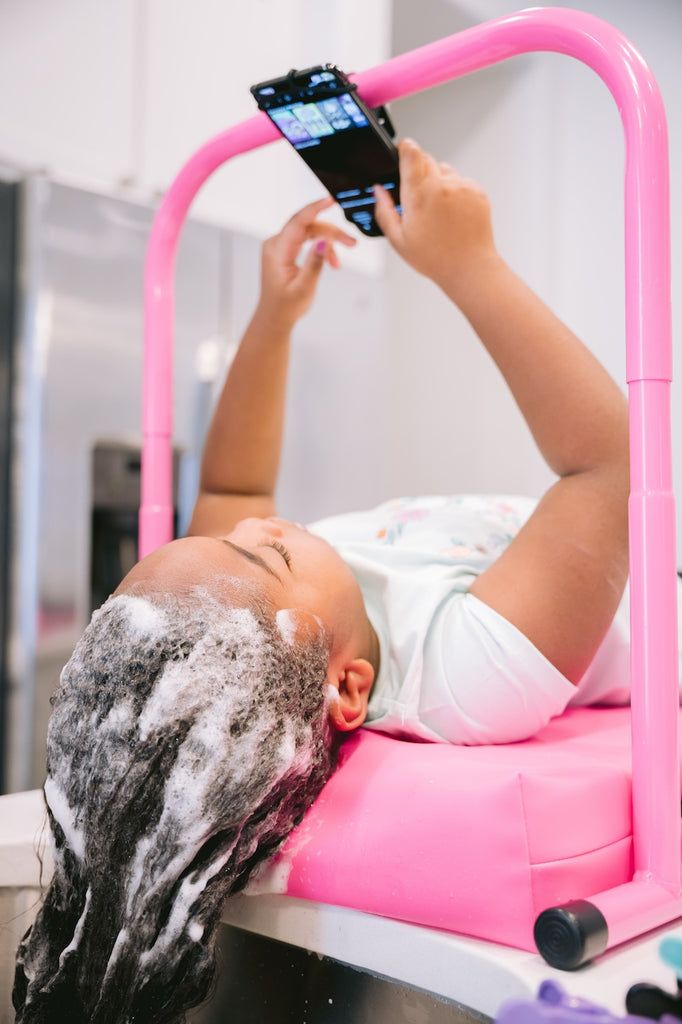
Apply the shampoo directly to the scalp. The scalp is where sweat, oil, and product buildup collects. That is what you are really trying to clean.
Use the pads of your fingers, not your nails, to gently massage the scalp in small circular motions. This feels good for your child and also helps with blood circulation, which supports healthy hair growth.
Let the shampoo run down the length of the hair as you rinse. You do not need to scrub the ends aggressively. The water and lather coming down from the scalp is enough to clean them.
How Many Times Should You Shampoo?
One wash is enough most of the time. If there is a lot of product buildup or the hair is very dirty, you can do a second wash. But do not over-shampoo. Washing too much strips the hair of its natural oils.
For most children, washing once a week or every two weeks is perfect. This depends on your child’s hair type and how active they are.
If your child has very dry or natural hair, washing too often can cause more harm than good. You can check out Children’s Hair Care Routine on Little Hair Book to find the schedule that works best for your child.
Rinsing Out the Shampoo
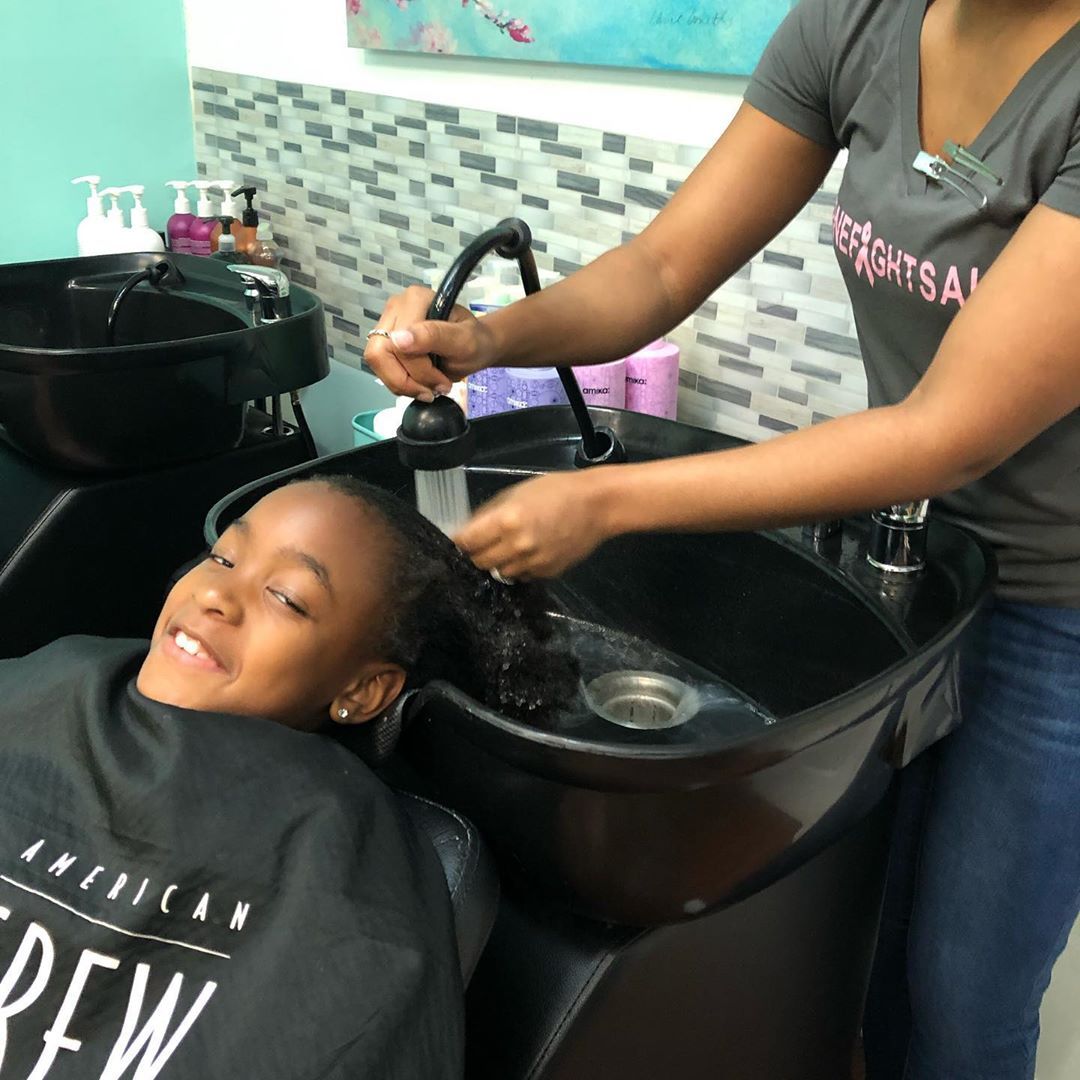
Rinse the shampoo out very well. Leftover shampoo on the scalp can cause itching, flaking, and buildup. Keep rinsing until the water runs completely clear.
Again, use lukewarm water for rinsing. Make sure you get to every part of the scalp, especially the back of the head near the neckline. That area is easy to miss.
How to Condition Your Child’s Hair
This Step Changes Everything
After rinsing out the shampoo, apply conditioner generously. Do not be stingy with it. Conditioner is what brings softness back to the hair after shampooing.
Focus the conditioner on the ends of the hair. The ends are the oldest and driest part of the hair. They need the most moisture.
You can also apply conditioner to the mid-lengths of the hair. But try to avoid putting too much on the scalp directly. This can clog the hair follicles over time.
Once the conditioner is on, use a wide-tooth comb to gently detangle the hair while the conditioner is still in. This is the easiest time to detangle because the conditioner acts as a slip, helping the comb glide through without pulling. Start from the ends and work your way up slowly.
Leave the conditioner in for at least three to five minutes. If your child has thick or very dry hair, you can leave it longer.
For more tips on keeping your child’s hair moisturized after wash day, read How to Moisturize Children’s Hair on Little Hair Book.
Rinsing Out the Conditioner
Rinse the conditioner out with cool water if your child can handle it. Cool water helps to close the hair cuticle, which locks in moisture and makes the hair shinier.
If cool water is too uncomfortable, lukewarm is fine. Just make sure the conditioner is rinsed out well.
Some parents use a leave-in conditioner instead of rinsing the conditioner out completely. This works well for very dry or curly hair. In that case, you apply a small amount and leave it in as a moisturizer.
Save this post: Daily Hair Care for Kids
Drying Your Child’s Hair the Right Way
Skip the Rough Towel
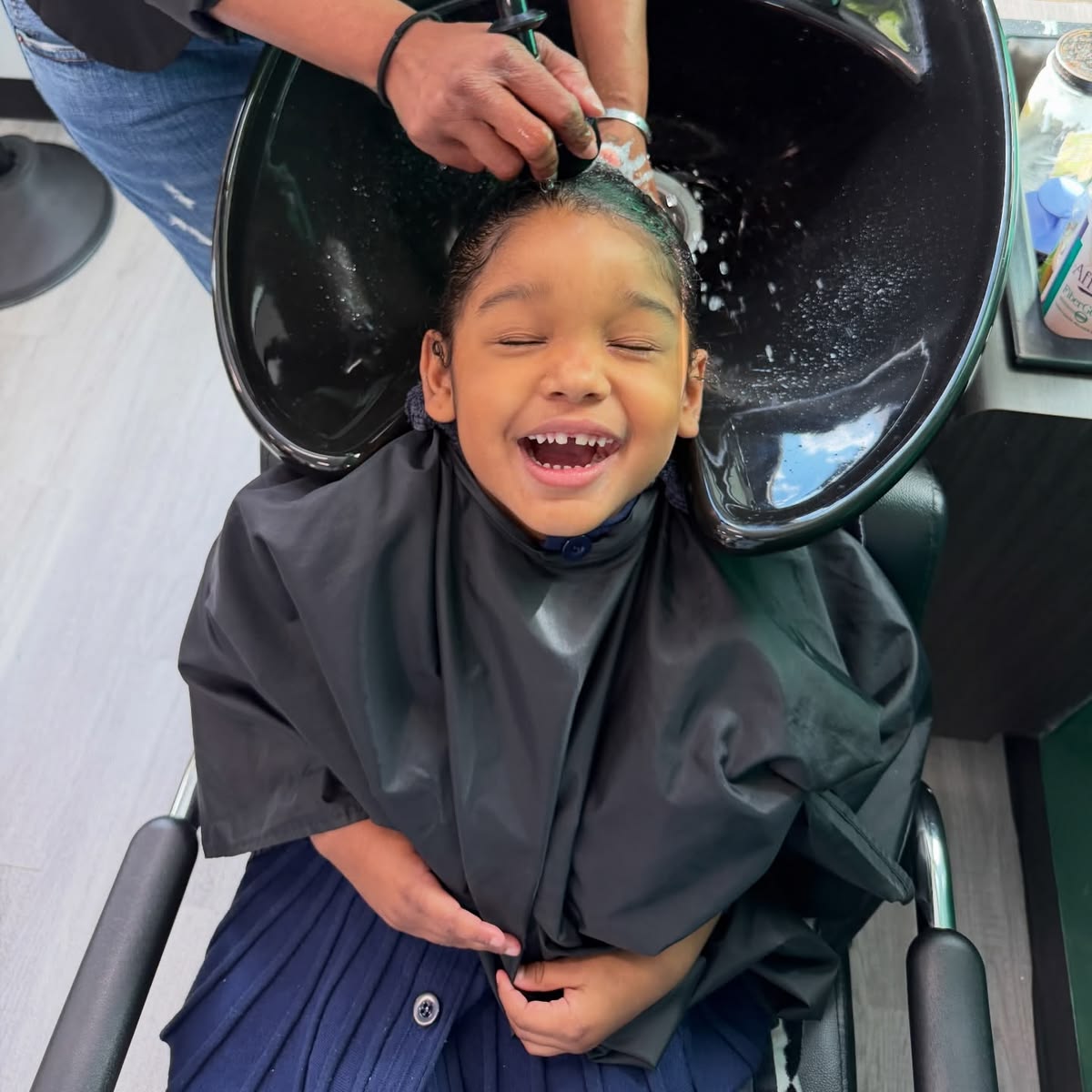
How you dry your child’s hair matters a lot. Many parents grab a regular towel and rub the hair dry. This creates frizz, causes breakage, and can make the hair harder to manage.
Instead, use a soft microfiber towel or an old cotton t-shirt. Gently squeeze the water out of the hair. Do not rub. Just press and squeeze.
You can also let the hair air dry if the weather allows. Air drying is the gentlest option for children’s hair.
If you need to use a hair dryer, use the lowest heat setting and keep it moving. Holding heat in one spot for too long is damaging.
Even better, use a diffuser attachment to dry curly or natural hair without disrupting the curl pattern.
For step-by-step detangling tips, head over to How to Detangle Children’s Hair.
After the Wash: What to Do Next
Now that the hair is clean and slightly damp, this is the best time to moisturize and style. Damp hair absorbs products better than dry hair.
Apply a leave-in conditioner or a light hair cream. Work it through the hair from ends to roots. Then detangle gently with a wide-tooth comb or your fingers.
If your child has curly or natural hair, be extra gentle at this stage. Pulling through the curls too aggressively causes breakage. You can read more about this in How to Care for Curly Children’s Hair on Little Hair Book.
Once the hair is detangled and moisturized, you can style as you like. Braids, twists, puffs whatever works for your child’s hair type and your schedule.
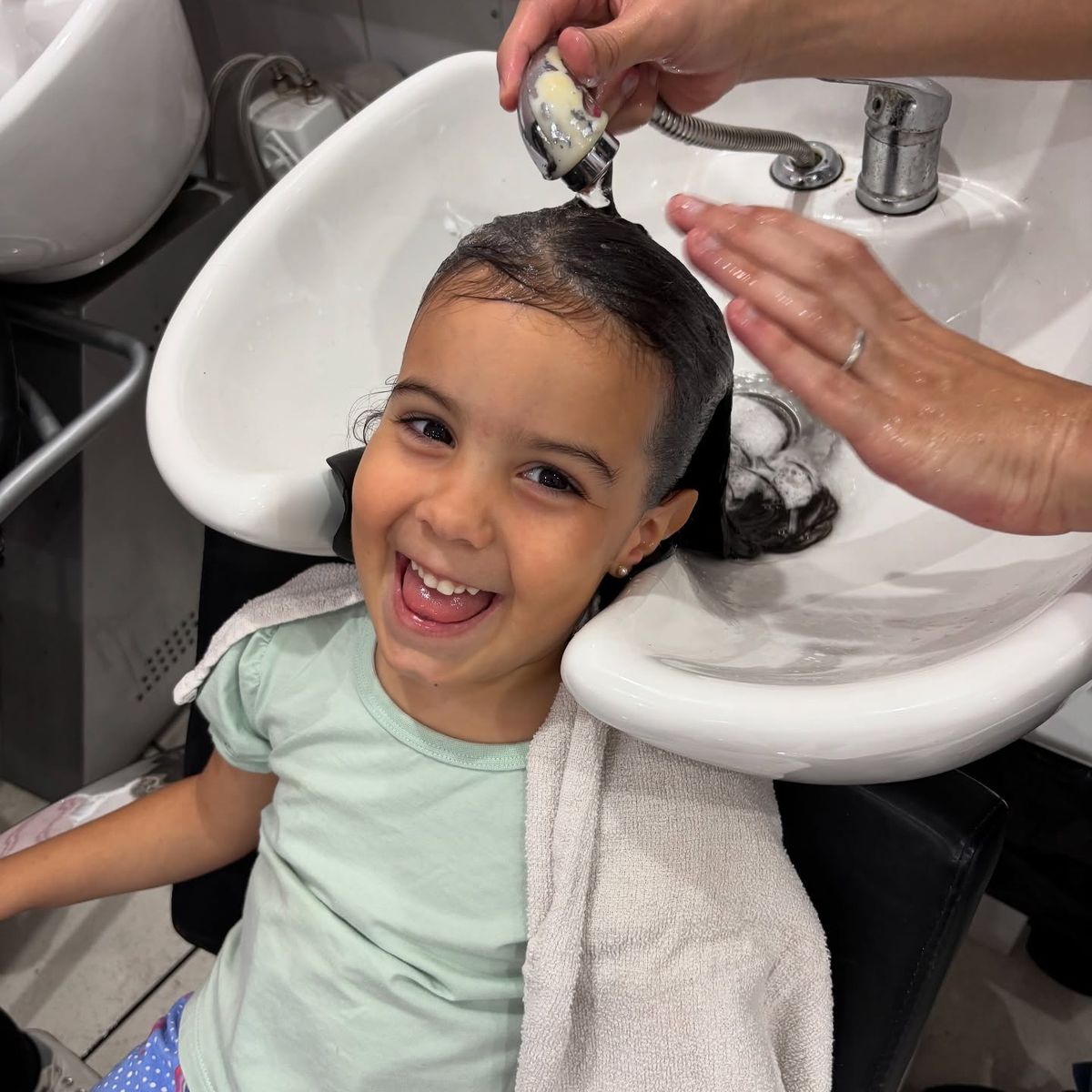
How to Make Wash Day Fun for Your Child
This part is honestly just as important as the technique. A child who enjoys wash day is so much easier to manage than one who dreads it.
Here are a few things that have worked for me and many other moms:
Put on their favourite show or music: Distraction works wonders. If they are singing along to a song or watching something they love, they barely notice what you are doing.
Let them feel involved: Give them a small mirror so they can watch. Let them squeeze the shampoo bottle. Children love feeling like they have a say.
Keep your voice calm: If you are stressed and rushing, your child will feel that energy. Take a breath. Keep the environment relaxed.
Use products that smell good: Children love nice smells. A shampoo that smells like strawberries or mango can make a big difference in how they feel about wash day.
Celebrate after: Tell them how beautiful their hair looks when you are done. Give them a little compliment. It goes a long way.
How Often Should You Wash Your Child’s Hair?
This depends on the hair type. There is no one answer that fits every child.
For children with straight or wavy hair, once a week is usually fine. For children with thick, natural, or 4C hair, washing every one to two weeks is often better.
Washing too often can strip the scalp of its natural oils. But waiting too long can cause buildup, which makes the hair hard to manage.
Pay attention to your child’s scalp. If it looks flaky or smells, it is time for a wash. If the hair still feels clean and moisturized, you can wait a little longer.
For a full breakdown of how to build the right routine for your child, check out Children’s Hair Care Routine right here on Little Hair Book.
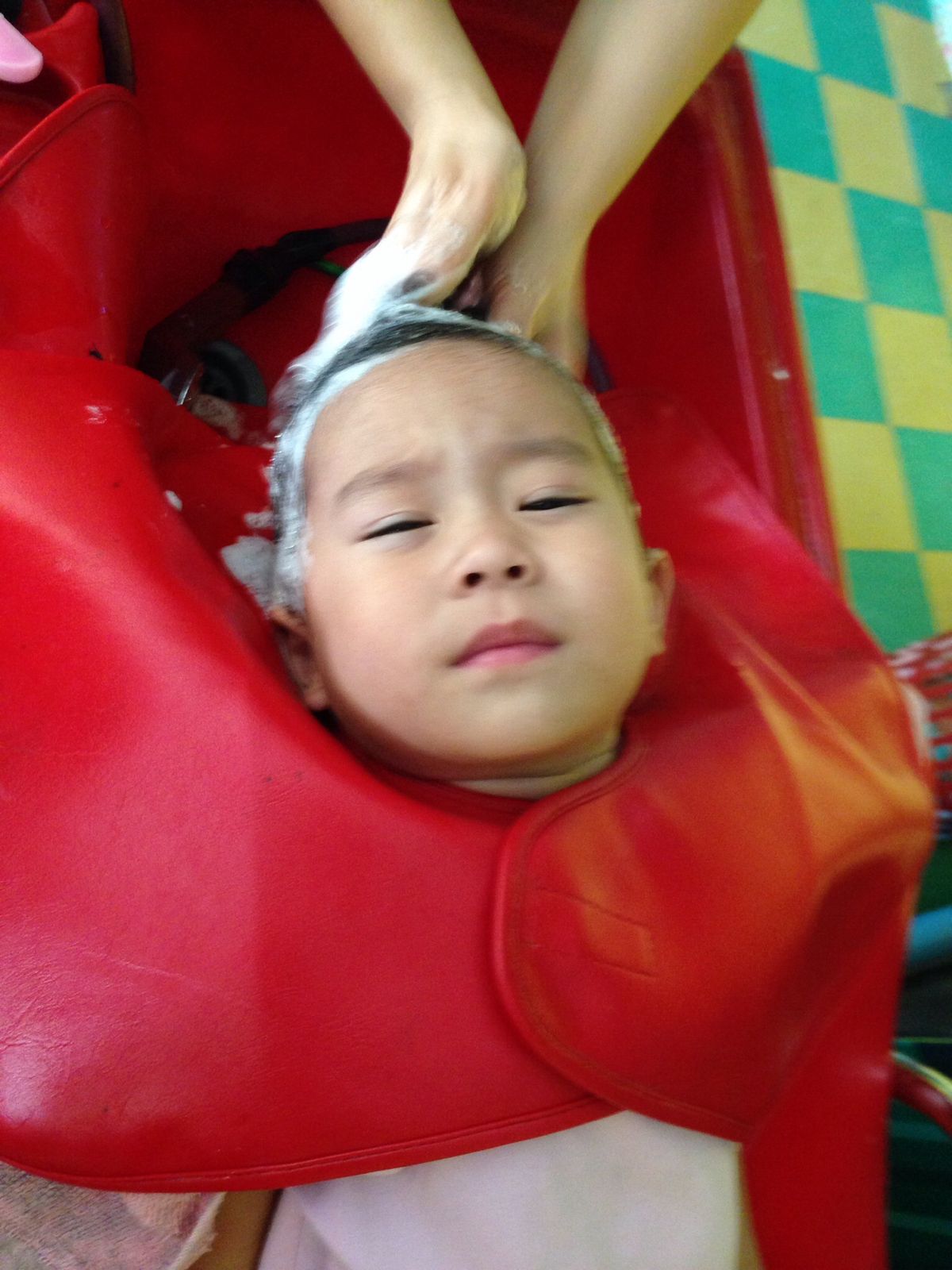
Common Mistakes to Avoid on Wash Day
Even with the best intentions, it is easy to make mistakes. Here are the ones I see most often:
Skipping conditioner: This is one of the biggest ones. Shampoo cleans, but conditioner is what brings the moisture back. Never skip it.
Using adult products on children’s hair: Adult shampoos and conditioners are often too strong for children. Always go for products made for kids or products that are gentle and sulfate-free.
Washing with hot water: Hot water dries out the scalp and strips moisture from the hair. Always use lukewarm or cool water.
Combing from root to tip: This pulls through knots and causes pain and breakage. Always start from the ends and work your way up.
Rushing: Wash day takes time, especially if your child has a lot of hair. Give yourself enough time so you are not stressed and rushing through it.
Not rinsing properly: Leftover shampoo or conditioner causes buildup and can irritate the scalp. Always rinse thoroughly.
Final Thoughts
Washing your child’s hair does not have to be something either of you dreads. Once you get the right steps down and find the products that work for your child’s hair type, it gets so much easier.
Start with the prep. Be gentle with the shampoo. Do not skip the conditioner. Dry carefully. And most of all, make it a calm and loving moment between you and your child.
Their hair will thank you for it.
And as you keep learning and building a routine, remember that washing is just one part of the picture. Check out How to Brush Children’s Hair to keep the good hair days going all week long.