If you have been reading along on Little Hair Book, the last post we covered was children’s hair care routine and in that post we talked about how to build a routine that covers daily, weekly, and monthly care all together. Today we are zooming in on just the daily part because honestly, what you do every single day matters more than anything else when it comes to your child’s hair health.
When I first started taking my daughter’s hair care seriously, I thought wash day was everything. I poured all my energy into that one day and barely paid attention to her hair for the rest of the week. But her hair wasn’t thriving the way I expected.
It took me a while to realize that healthy hair isn’t built on one perfect wash day, it’s the small things you do consistently every day that make the biggest difference.
Daily hair care is not about doing a lot. It is about doing the right things. Consistently. Even when you are tired or when mornings are rushed. Even on the days when everything else is going sideways. When you nail the daily routine, your child’s hair stays healthier, softer, and easier to manage all week long.
So let’s talk about exactly what daily hair care for kids should look like, why each step matters, and how to make it all fit into a busy day without losing your mind.

Why Daily Hair Care Matters More Than You Think
A lot of parents focus all their energy on wash day and then wonder why the hair still looks dry and rough by midweek. The truth is, washing is just one piece of the puzzle.
Hair loses moisture every single day. It rubs against pillows at night, It gets exposed to dry air, sun, and wind during the day.
It gets touched, pulled, and styled repeatedly. All of that takes a toll, without daily attention, even the best wash day results will not last more than a day or two.
Daily care is what bridges the gap between wash days. It keeps the moisture locked in, It keeps the hair from tangling badly and it keeps your child comfortable and their hair looking neat.
Think of it this way. If you only watered a plant once a week and ignored it every other day, it would not grow as well as a plant you check on daily. Hair is the same way. A little attention every day goes a very long way.
Save this post: How to Care for Natural Children’s Hair

Morning Hair Care Routine for Kids
What to Do Before Your Child Leaves the House
The morning routine does not need to be long. For most children, especially those in protective styles, five to ten minutes is more than enough. The goal is simply to refresh the hair and make sure it looks neat and feels good before your child starts their day.
Here is a simple morning routine that works for most hair types:
Remove the bonnet or unwrap the hair: If your child slept with a satin bonnet or on a satin pillowcase, start by gently removing it.
Take a quick look at the hair and see how it held up overnight. Is the style still mostly intact? Are there any sections that look dry or frizzy? Is the scalp looking okay?
Lightly mist the hair with water: You do not need to soak the hair. Just a few sprays from a spray bottle to dampen it slightly.
This wakes the hair up and prepares it to absorb any products you are about to apply. Dry hair does not absorb products well, so this step makes everything else work better.
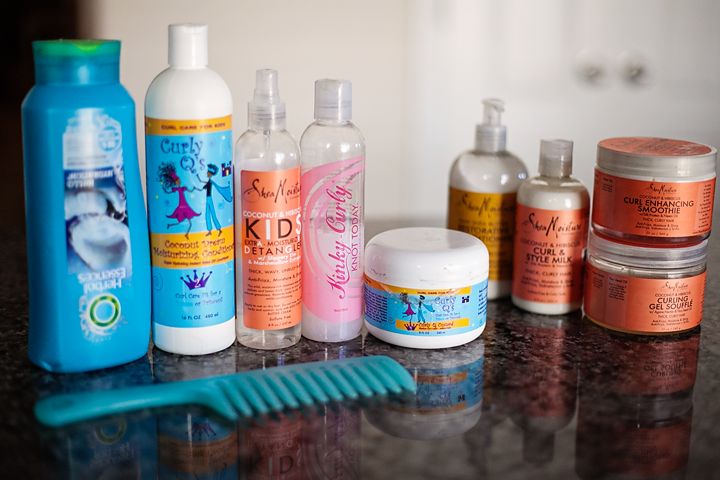
Apply a small amount of leave-in conditioner or hair cream: Work it through the hair with your fingers. Focus on any sections that look particularly dry. You are not redoing the full moisturizing process here. You are just refreshing what was already done.
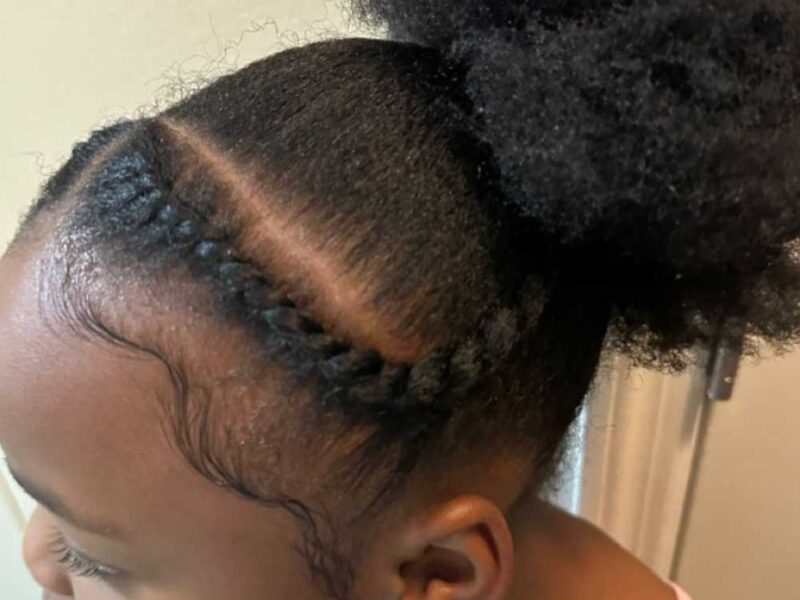
Smooth the edges: Use a soft bristle brush and a small amount of edge control or water to lay down the edges neatly.
The edges are usually the first thing people notice, and keeping them smooth makes the whole style look polished even if the rest of the hair is in a simple protective style.
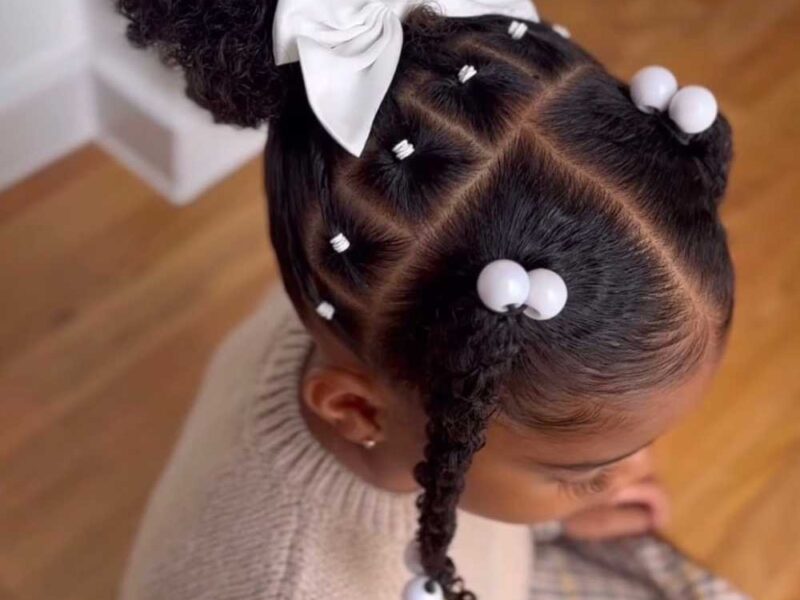
Re-braid or re-twist any loose sections: If any braids or twists came undone overnight, fix them quickly before your child heads out. This keeps the style lasting longer and reduces how much the hair is exposed to daily wear and tear.
That is genuinely all you need for most mornings. Five steps, ten minutes or less. And your child’s hair is good to go.
If you are still figuring out how often your child’s hair needs deeper attention beyond just the daily refresh, weekly hair care routine for children on Little Hair Book lays out exactly what the deeper weekly care should look like alongside your daily steps.
How to Check If the Hair Needs More Moisture
Not every morning will look the same. Some days your child’s hair will still look great from the day before. Other days it will look dry, frizzy, or feel rough to the touch. Learning to read the hair is one of the most useful skills you can develop as a parent.
Here are some quick signs that the hair needs more moisture that morning:
The hair feels rough or stiff: Healthy moisturized hair should feel soft. If it feels like straw, it needs water and a product refresh right away.
The ends look dry or frayed: The ends of the hair are always the driest part. If they are looking rough and splitting, give them extra attention with your leave-in or hair cream.
There is a lot of frizz: Some frizz is normal, especially for curly and natural hair types. But excessive frizz usually means the hair is crying out for moisture.
The hair is breaking when you touch it: If you run your fingers through the hair and you can hear or feel it snapping, that is dry brittle hair. It needs moisture urgently and you may want to do a more thorough moisturizing session that evening rather than a quick morning refresh.
The scalp looks flaky: Flakiness can point to a dry scalp. Add a small amount of oil to the scalp and massage gently with your fingertips.
You should not miss out on this: How to Wash Children’s Hair Properly

Evening Hair Care Routine for Kids
Do Not Skip the Nighttime Steps
Evening hair care is something so many parents skip, and I completely understand why. By the time bedtime rolls around, everyone is tired and the last thing you want to do is spend more time on hair. But the nighttime steps are honestly some of the most important ones.
What you do before your child goes to sleep determines how the hair looks and feels when they wake up. And it determines how much work you have to do the next morning.
Here is what the evening routine should look like:
Check the hair before bed: Give it a quick look and feel. How is the moisture holding up from the morning? Does it need a quick refresh before bed?
Refresh if needed: If the hair feels dry, mist lightly with water and add a small amount of leave-in conditioner or hair cream. You do not need much. Just enough to bring the softness back.
Detangle gently: If the hair has picked up any tangles during the day, now is a good time to gently work through them before bed. Use your fingers first, then a wide-tooth comb if needed. Working from ends to roots as always. Do not try to force through knots. Be patient and gentle.
Put the hair in a protective style for sleeping: If your child’s hair is not already in braids or twists, loosely braid or twist it before bed. This reduces how much the hair moves around and tangles while they sleep.
Cover with a satin bonnet or use a satin pillowcase: This is the most important nighttime step. Cotton fabric absorbs moisture from the hair and causes friction that leads to frizz and breakage.
Satin is smooth and gentle. It lets the hair glide instead of rubbing. If your child will not keep a bonnet on, a satin pillowcase works just as well.
For more detail on how to handle the detangling part of this evening routine without causing your child pain or frustration, how to detangle children’s hair on Little Hair Book is exactly what you need.
Daily Scalp Care for Kids
The scalp is the foundation of healthy hair. If the scalp is not healthy, the hair will not be healthy either. And yet scalp care is something that often gets left out of daily routines.
You do not need to do a full scalp treatment every day. But checking in with the scalp regularly and doing a few simple things consistently makes a big difference over time.
Keep the scalp clean: You are not washing every day, but you can use a cotton pad lightly dampened with witch hazel or diluted apple cider vinegar to gently cleanse the scalp between wash days if there is buildup or sweat.
Oil the scalp lightly every few days: Use a light oil like jojoba, sweet almond, or coconut oil. Apply a small amount directly to the scalp and massage in with your fingertips using circular motions. This nourishes the scalp and also stimulates blood circulation which supports hair growth.
Watch for buildup: If you see white or yellowish flakes on the scalp that do not go away with regular washing, it might be product buildup or a scalp condition that needs attention.
Clarify the hair with a clarifying shampoo and see if that helps. If it does not improve, it is worth checking with a doctor.
You will love this: How to Moisturize Children’s Hair

Keeping Protective Styles Fresh Daily
If your child’s hair is in braids, twists, or cornrows, daily care becomes even simpler. The goal is just to keep the style looking fresh and the hair underneath staying moisturized.
Here is what daily care looks like when the hair is in a protective style:
Mist the braids or twists lightly with water: Even though the hair is protected, it still needs moisture. A light mist of water every day or every other day keeps the hair from drying out underneath the style.
Apply a light oil to the scalp: Part the hair where you can see the scalp and apply a small amount of oil. Massage gently. This keeps the scalp nourished and prevents itching, which is a common complaint when hair is in a protective style for a while.
Keep the edges moisturized: The edges are delicate and they are the most exposed part of the hair even in a protective style. Apply a small amount of edge control or a light cream to keep them soft and neat.
Check for tension: If a style was put in tightly, the hair near the edges and hairline might start to show signs of stress like small bumps or redness.
If you notice this, do not ignore it. A style that is too tight can cause hairline damage that takes a long time to recover from.

What to Do When There Is No Time in the Morning
Real life means some mornings there is genuinely no time. You are running late, your child is not cooperating, and hair care is just not happening. That is okay. Here is the shortcut version for those mornings.
Mist the hair with water quickly. Apply a tiny amount of leave-in conditioner or hair cream with your palms and smooth over the hair. Smooth the edges down with your hand or a soft brush. Done.
That whole thing takes two minutes. It is not perfect but it keeps the hair from going a full day with zero moisture and zero attention. On days like this, make up for it in the evening with a more thorough refresh and detangle session.
The goal is never perfection. The goal is consistency, and consistency looks different on different days.
Daily Hair Care for Different Hair Types
One Routine Does Not Fit Every Child
It is worth saying clearly that daily hair care looks a little different depending on your child’s hair type. The steps are the same but the frequency and intensity change.
For straight or wavy hair: These hair types tend to get oily faster because the scalp’s natural oils travel down the hair shaft more easily. Daily moisturizing may actually be too much and can make the hair look greasy.
A light mist and edge smoothing in the morning is usually enough. Focus more on keeping the hair neat and tangle-free.
For curly hair: Curly hair needs moisture more consistently. Daily misting and a light product refresh works well for most curly hair types. Make sure the curls are not being disrupted too much during the daily routine.
Finger detangling is usually gentler than using a comb on curly hair every day. For more specific tips, how to care for curly children’s hair on Little Hair Book goes into all of it in detail.
For natural and coily hair: This hair type needs the most consistent daily moisture. Daily misting and a light cream or leave-in is usually necessary to keep the hair from drying out. The scalp also needs regular oiling.
Protective styles are your best friend here because they reduce daily manipulation and help moisture last longer.
How to Make Daily Hair Care Easier on Both of You
One of the biggest challenges of daily hair care is getting your child to cooperate. Some children love having their hair done. Others treat it like a full-on emergency every single time.
Here are a few things that genuinely help:
Create a signal that hair time is starting: Something simple like a specific song you always play or a special chair they sit in. Rituals help children feel safe and prepared. When they know what is coming, they are less likely to resist.
Keep your hands gentle: Children remember pain. If hair time has been painful before, they will anticipate that pain every time.
Be intentional about being as gentle as possible, especially during detangling, starting from the ends and working up slowly makes a huge difference.
Talk to them while you work: Ask about their day. Tell them a story. Sing a song. Keeping their mind occupied means they are not focused on what you are doing to their hair.
Give them something to hold: A favourite toy, their tablet, or a snack. Distraction is a genuinely useful tool and there is no shame in using it.
Keep sessions short when possible: The daily routine should not take long. If it is taking more than fifteen minutes every morning, look at what you can simplify. Maybe the protective style needs to be redone so it lasts longer.
Maybe the evening routine needs to be more thorough so the morning is lighter.
Common Daily Hair Care Mistakes to Avoid
Even with the best intentions, it is easy to fall into habits that are actually working against your child’s hair. Here are the most common daily mistakes and how to fix them.
Combing dry hair without any product. Dry combing causes breakage and pain. Always add a little water or leave-in conditioner before running a comb through the hair. For specific guidance on the right way to use a comb without causing tears, how to comb children’s hair without tears on Little Hair Book is a must-read.
Using too much product: More product does not mean more moisture. Layering too many heavy products every day leads to buildup on the scalp and hair, which actually blocks moisture from getting in. Use small amounts and build up only if needed.
Skipping the satin bonnet: I know we already talked about this but it is worth repeating. Skipping the bonnet even one or two nights a week undoes a lot of the work you are putting in during the day. Make it a non-negotiable part of the bedtime routine.
Pulling styles too tight: When you are in a rush in the morning it is tempting to just pull the hair back tightly to keep it out of the way. Over time, tight styles every day cause traction alopecia, which is hair loss along the hairline. Keep daily styles loose and gentle.
Ignoring the ends: The ends of the hair are the oldest and most fragile part. They need the most moisture but they are also the easiest to forget. Every time you moisturize, make the ends your priority.
Building a Daily Routine Your Child Actually Enjoys
The best hair care routine is one your child does not dread and honestly, getting to that point is very possible. It just takes a little intentionality.
Make hair time a bonding moment instead of a task. Put on music you both love. Tell them stories about their hair.
Celebrate how their hair looks when you are done. Let older children help choose their products or their styles for the week.
When children feel involved and when hair time feels positive, they carry that into how they feel about their own hair as they grow up.
That emotional connection matters just as much as any product or technique.
As your child grows and their hair needs change, you will keep adjusting this routine. But the foundation you are building right now with daily care, gentle handling, and consistent moisture is something they will carry for a lifetime.
And as you continue building great daily habits, make sure the tools you are using are helping and not hurting. The brush you use every morning matters more than you might think.
Head over to how to brush children’s hair on Little Hair Book to make sure you are brushing the right way with the right tools.